Baseball Glove Oil Alternatives & Best Oils
Written by Zach Kerr
Updated October 22nd, 2026
The best baseball glove oil alternative is a conditioner made for glove leather, used sparingly. Household substitutes like olive oil, coconut oil, petroleum jelly (Vaseline) or shaving cream show up in a lot of advice, but they can go rancid, leave the leather heavy and floppy, or dry it out over time. Lanolin is the safest thing most people have at home. If you want to soften a glove, most of the work comes from playing catch with it, not from oil. Below are the best baseball glove oils, which glove oil substitutes are safe, which to skip and how to oil a baseball glove without ruining it.
We may earn a commission if you buy through links on this page.
Why use glove oil?
Leather dries out from sweat, sun, dirt and sitting in a hot trunk. A light coat of glove oil or conditioner puts moisture back so the leather stays flexible and resists cracking at the laces, palm and webbing. It adds a little weather protection and helps a stiff new glove give a little faster while you break it in. It won't fix a glove that's the wrong size or replace playing catch, and more oil doesn't mean a better glove.
Similar: How to clean a baseball glove. Clean it first so you aren't sealing grime into the leather.
Glove oil vs conditioner
Both do the same basic job. Glove oil soaks in deeper and softens more, so it's easier to overdo. A conditioner (often a cream or lotion) sits lighter and is the safer choice for regular upkeep. For a new, stiff glove a little oil can help; for a glove that already feels right, use conditioner.
Best baseball glove oils and conditioners
These are made for baseball and softball glove leather, so they're the safe default for a youth or adult glove or catcher's mitt. Nokona, Sarna and Wilson each make one, and any of them works; pick the one that's easy to get.
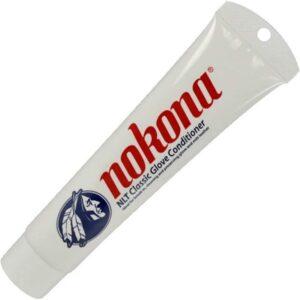
Nokona’s leather treatment for cleaning and conditioning glove leather. Apply a small amount as directed; conditioning supports glove care but does not replace playing catch to break in a glove.
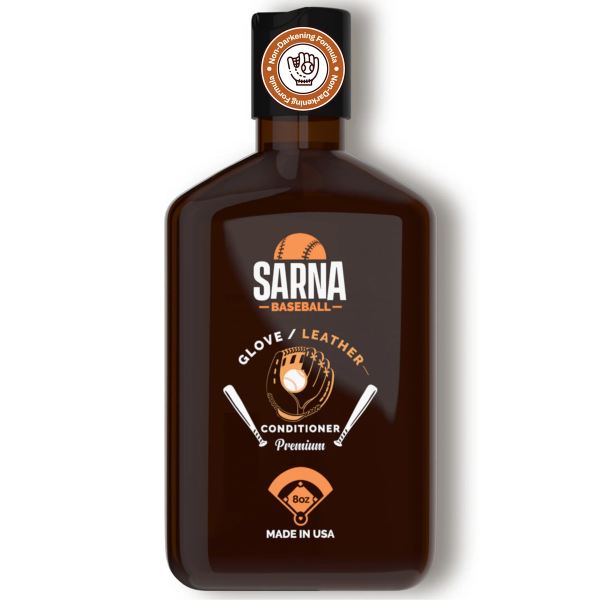
A liquid conditioner made for baseball and softball glove leather. Follow the bottle’s directions and apply sparingly to clean, dry leather.
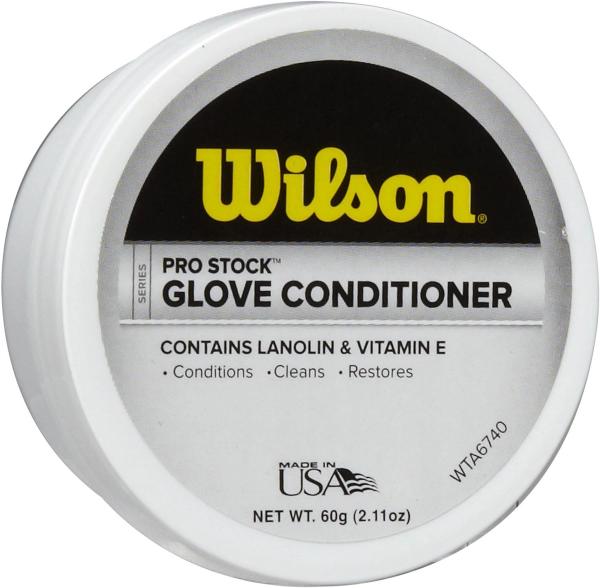
A conditioner for maintaining leather baseball and softball gloves. Use a small amount on dry areas and allow it to absorb before using the glove.
Best baseball glove oil alternative: a general leather conditioner
Chemical Guys Vintage Series is a general leather conditioner marketed for car interiors, not a glove product. If it's already in your garage, it's a reasonable baseball glove conditioner alternative: test it on a small hidden spot first and use very little. Check your glove maker's care guidance before using any general leather product. If you're buying something new, a glove-specific conditioner above is the safer pick.

A general leather conditioner marketed for car interiors. Confirm compatibility with your glove manufacturer before using it on a baseball glove.
Other glove oil alternatives: what's safe and what to skip
Most glove makers recommend their own glove oil or a conditioner made for glove leather. If you're out and want a glove oil substitute from around the house, here's how the common ones stack up.
Lanolin oil
Lanolin comes from sheep's wool and is used in many leather conditioners. It's the closest household option to real glove conditioner and a good natural pick. Use a thin coat and wipe off the extra.
Mink oil
Mink oil softens leather and adds water resistance, but it can darken the leather and make a glove heavy if you overdo it. Fine in small amounts on an adult glove that sees a lot of rain and dew.
Neatsfoot oil
Neatsfoot oil is a traditional leather oil and shows up in some glove oils. It softens well but can darken leather and over-soften a glove, so use very little.
Shaving cream
Shaving cream is an old-school way to break in and condition a glove. Many glove makers advise against it because some formulas can dry the leather out over time. Skip it.
Vaseline and petroleum jelly
Petroleum jelly sits on the surface instead of soaking in, attracts dirt and can leave leather greasy and over-softened. It's cheap and in every house, but as glove grease it isn't worth it.
Coconut oil
Coconut oil does soften leather at first, which is why it gets recommended. Like other cooking oils, it can go rancid, smell and break down the leather over time. Skip it.
Olive oil, vegetable oil and other cooking oils
Olive oil, vegetable oil and other cooking oils aren't made for leather. They can turn rancid and weaken the glove over time. Skip them, even for breaking in a glove.
Mineral oil, motor oil and other harmful oils
Don't use motor oil, mineral oil or other petroleum-based oils. They aren't made for glove leather and can break it down.
Homemade and DIY baseball glove oil
Most homemade glove oil recipes are mixes of the cooking oils above, so they carry the same risks. If you want a DIY baseball glove conditioner, plain lanolin is the safer choice. Otherwise, wait until you can get a glove conditioner. A dry glove for a week is easier to fix than an oil-soaked one.
How to apply baseball glove oil
- Use a small amount: about a dime-sized amount on a clean cloth, not straight onto the glove. A little goes a long way.
- Work it into the leather with your hands or the cloth, focusing on the palm, pocket, webbing and laces where the leather flexes most.
- Avoid over-saturating the leather. Too much oil makes it heavy and floppy and can weaken it. You want it slightly moist, not greasy.
- Let it absorb a few minutes, then wipe away any excess oil with a clean, dry cloth.
- Let it dry overnight at room temperature before you use it.
For most players, oiling a baseball glove once or twice a season is plenty. Do it again when the leather looks dry or starts to feel stiff. Always follow the glove manufacturer's instructions if they differ.
Glove softening methods to avoid
Never put a glove in the oven or microwave, run it through the dryer or hit it with steam unless the glove maker offers that service. Heat can dry the leather, cause warping and weaken the laces. No baseball glove softener beats the slow way: play catch, work the pocket with a ball and mallet, and store the glove with a ball in the pocket.
FAQ
Can you use Vaseline on a baseball glove?
It's not a good idea. Petroleum jelly sits on the surface, collects dirt and can leave the leather greasy and too soft. Use a glove conditioner or lanolin instead.
Can you use olive oil on a baseball glove?
Skip it. Olive oil can go rancid and weaken the leather over time, even if it softens the glove at first.
Can you use coconut oil on a baseball glove?
Skip it for the same reason. Coconut oil softens at first but can go rancid and break down the leather.
Is mink oil good for baseball gloves?
In small amounts, yes. It softens and repels water, but too much darkens the leather and makes the glove heavy.
What kind of oil should you use on a baseball glove?
A glove oil or conditioner made for baseball glove leather. If you need a substitute from home, lanolin is the safest choice.
How often should you oil a baseball glove?
Once or twice a season for most players, or when the leather looks dry. Oiling too often makes a glove heavy and floppy.
Related: Best gifts for baseball players
Join the club!
Sign up for our newsletter for more articles like this and features updates from our team!
Zach Kerr
Author
Zach is a former college pitcher & Founder of Baseball Near You.