Reviewing the Best Baseball Cleats for 2026
Written by Zach Kerr
Published April 12th, 2024 · Updated March 6th, 2026


Best Baseball Cleats for 2026
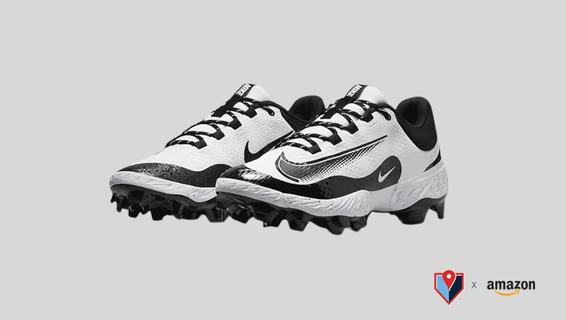
Nike React is a lightweight foam designed to provide cushioning and durability with a consistent feel underfoot.
Pros
- Price
- Many color options
- Lightweight
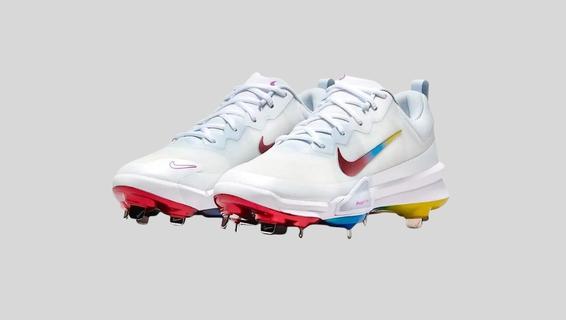
The Nike Force Zoom Trout 9 Elite Pro features responsive Zoom Air cushioning for impact protection. The upper combines synthetic materials and mesh for durability and breathability. Metal cleats provide aggressive traction for high-intensity play.
Pros
- Quality
- Design
- Traction
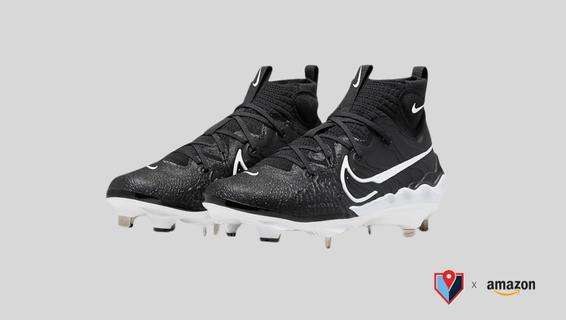
The Nike Alpha Huarache NXT Metal Cleats feature Nike React foam and a Zoom Air unit in the forefoot for responsive cushioning. The Synergia hybrid cleat plate provides lightweight traction and grip for quick acceleration. A drag-on toe overlay enhances durability in high-wear areas, while the circular knit cuff offers a mid-cut feel that balances ankle support and mobility. Lightweight upper materials provide breathability during play.
Pros
- Sturdy
Cons
- Price

These cleats are well-constructed and comfortable with no pinching. They're lightweight and hold up well to heavy use, including the wear from pitching. Appearance stands out on the field.
Pros
- Many color options
- All sizes available wide
- Traction
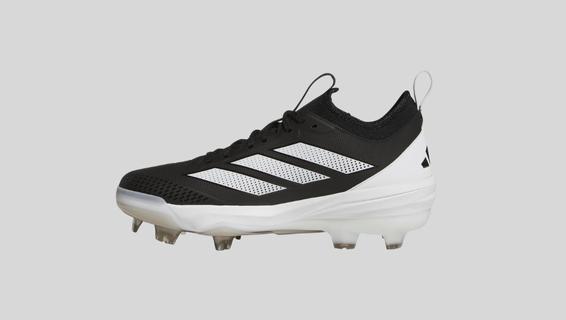
The adidas Adizero Impact 2.0 TPU cleats feature a knit bootie design for a supportive, sock-like fit. The Lightstrike midsole provides cushioning, while the TPU cleat plate keeps the shoe lightweight without sacrificing support.
Pros
- Quality
- Durability
- Price

The New Balance FuelCell 4040v6 features a full-length FuelCell midsole for propulsion and performance. The upper uses Fit Weave for durability with stretch in key areas. The low-cut design with metal spike cleats provides ankle support, traction, and speed.
Pros
- Traction
- Available in many colors
- Comfortable padding
Baseball Cleats Buying Guide
Every cleat falls into one of three categories based on what's on the bottom. This is the most important decision you'll make.
Molded Cleats (Rubber/TPU)
What they are: Non-removable rubber or hard plastic studs permanently attached to the sole.
Best for: Youth players (12U and under), recreational leagues, multi-surface use, players who need one versatile pair.
Pros:
- Allowed in all youth leagues
- Work on grass, dirt, and most turf surfaces
- More comfortable than metal (better weight distribution)
- Generally less expensive
- Last longer on varied surfaces
- Won't rust or require maintenance
Cons:
- Less traction than metal on hard-packed dirt
- Can pick up grass/mud clumps in wet conditions
- Not ideal for elite-level play where maximum grip matters
Price range: $25-80 (youth), $40-120 (adult)
The honest take: For youth players, molded cleats are the standard. They're versatile, durable, and won't get your kid kicked off the field for wearing the wrong cleat.
Metal Cleats
What they are: Thin metal spikes (usually steel or aluminum) that penetrate into grass and dirt for maximum traction.
Best for: Players 13U and older (where allowed), high school, college, and serious travel ball players.
Pros:
- Superior traction on grass and dirt
- Best grip for quick starts, stops, and direction changes
- Don't accumulate grass/dirt clumps like molded cleats
- Preferred by professional players
Cons:
- Not allowed in most youth leagues (typically banned below 13U)
- Not allowed on most turf fields (will damage the surface and get you ejected)
- Can cause injury if a player slides into a fielder
- Require more care to prevent rust
- Wear down faster on hard surfaces like concrete
- Generally more expensive
Price range: $50-150 (youth/adult)
The honest take: Metal cleats are the performance choice once your kid is old enough, but they come with restrictions. If your league plays on any turf fields, you'll need a second pair of shoes regardless.
Turf Shoes
What they are: Sneaker-like shoes with small rubber nubs or patterns on the sole instead of protruding cleats.
Best for: Indoor facilities, artificial turf fields, batting practice, cage work, warmups on concrete.
Pros:
- Required for artificial turf surfaces
- Most comfortable option for all-day wear
- Can be worn on concrete/asphalt without damage
- Great for indoor training facilities
- Lighter than traditional cleats
Cons:
- Minimal traction on natural grass or dirt
- Not suitable for actual games on real fields
- Won't provide enough grip for competitive play
Price range: $40-100 (youth/adult)
The honest take: Turf shoes aren't cleats—they're training shoes. But if your team practices indoors, plays on turf fields, or your kid needs something for the cage, they're essential. Many travel ball players end up owning both molded cleats and turf shoes.
When Can Kids Wear Metal?
Little League: Metal cleats are not allowed in Tee Ball, Minor League, or Major Division (ages 4-12). Metal is permitted starting in Intermediate (50-70), Junior, and Senior League divisions.
USSSA/Travel Ball: Metal cleats are typically not allowed until 13U. Check your specific tournament rules.
High School: Metal cleats are allowed and commonly worn.
The catch: Even where metal is allowed, many turf fields and portable mounds prohibit metal cleats regardless of age. Players have been ejected for wearing metal on turf. Always check field rules.
Bottom line: If your kid is 12 or under, buy molded. If they're 13+, check your league rules, then check the fields you'll play on.
Cleat Heights: Low, Mid, and High
The height of the cleat refers to how much it covers the ankle.
Low-Top Cleats
What they are: End below the ankle bone.
Best for: Fast and agile players like outfielders, base stealers and most youth players.
Pros:
- Lightest option
- Maximum ankle mobility
- Best for sprinting and quick lateral movements
- Preferred by most players
Cons:
- No ankle support
- Higher injury risk for players with weak ankles
The real talk: Low-tops are what most players wear. Unless your kid has ankle issues or specifically wants extra support, this is the default choice.
Mid-Top Cleats
What they are: Rise to about the ankle bone.
Best for: Players wanting some support without sacrificing too much mobility.
Pros:
- Moderate ankle support
- More protection than low-tops
- Good balance of speed and stability
Cons:
- Slightly heavier than low-tops
- Some restriction in ankle movement
High-Top Cleats
What they are: Extend above the ankle for maximum support.
Best for: Players with ankle injury history, catchers (some), power hitters who don't need to run much.
Pros:
- Maximum ankle support and protection
- Can help prevent ankle injuries
- Preferred by some youth players and parents for safety
Cons:
- Heaviest option
- Can limit mobility and speed
- May cause rubbing/blisters (especially for pitchers)
- Can actually hinder pitchers who need ankle mobility in their delivery
The honest take: High-tops seem like the "safe" choice for youth players, but most kids end up preferring low-tops for comfort and mobility. Unless there's an injury history, don't default to high-tops just for perceived protection.
Best Fit Rules
Bad-fitting cleats cause blisters, ingrown toenails, and poor performance. Here's how to get it right.
- Snug in the heel: Your foot shouldn't slide around. A locked-in heel prevents blisters.
- Room in the toe: About a quarter inch (roughly a thumb's width) between the longest toe and the front of the cleat. Not more.
- Try them with baseball socks: Baseball socks are thicker than regular socks. If you try on cleats with thin socks, they'll feel too tight once game day comes.
- Between sizes? Go smaller: Cleats stretch and break in. A slightly tight cleat will mold to the foot. A loose cleat stays loose.
- Walk and move in them: Squat, shuffle laterally, simulate a swing. If anything feels restrictive or causes rubbing, try a different pair.
Youth Sizing Tips
- Cleats generally run true to regular shoe size
- Never buy more than half a size up for growing room—too big causes blisters and can lead to injury
- Check if there's room for one finger behind the ankle when the foot is pushed forward
- For kids with wide feet, look at New Balance (known for wider options) or check if the model comes in wide widths
When to Replace
- Visible wear on the studs (rounded, worn down)
- Cleats are too tight (kids grow fast)
- Upper material is cracked or torn
- No longer providing traction
- Foot slides inside the cleat even when tied tight
Cleats by Position
Most players can wear any cleat regardless of position. But if you want to optimize:
Outfielders: Low-top for speed, metal (if allowed) for best traction on grass without picking up clumps. Best Cleats for Outfielders.
Infielders: Low-top for agility, molded or metal depending on field surface (hard-packed dirt favors metal). Best Cleats for Infielders.
Pitchers: Low-top to avoid ankle rubbing during delivery. Look for reinforced toe if your pitcher drags their foot. Best Cleats for Pitchers.
Catchers: Personal preference, some like ankle support (mid-top), some prefer mobility (low-top). Metal helps with secure footing in the crouch. Best Cleats for Catchers.
The reality: At youth levels, just get a comfortable, well-fitting cleat. Position-specific optimization matters more at high school and above.
Price Guide
Youth Cleats
Price Range What You Get Best For $25-40 Basic molded, entry-level brands Rec league, beginners, backup pair $40-70 Better materials, brand-name models, improved comfort Travel ball, regular players $70-100+ Premium features, latest tech, signature models Serious players, high school
Adult Cleats
Price Range What You Get Best For $40-70 Basic molded or metal, functional Rec leagues, casual players $70-120 Quality construction, good durability High school, travel ball $120-180+ Top-tier tech, pro-level features College, serious competitive play
The honest take: A $40-60 youth cleat from Nike, Under Armour, New Balance, adidas, or Mizuno will be perfectly fine for most players. You're paying for brand name and minor tech improvements at higher price points—not dramatically better performance. Save the premium money for when they stop growing so fast.
Care and Maintenance
Your cleats will last longer (and smell better) if you actually take care of them.
After Every Game/Practice
- Knock them together to remove loose dirt and mud
- Remove cleats in the dugout—walking on concrete wears them down
- Put them in a ventilated bag or leave them open to air out
Weekly Cleaning
- Use a stiff brush or old toothbrush to scrub dried dirt from the studs
- Wipe the upper with a damp cloth and mild soap
- Rinse with clean water (don't soak them)
- Air dry at room temperature—never use a dryer, direct sunlight, or heat source
- Stuff with newspaper to absorb moisture and maintain shape
Metal Cleat Care
- Dry them completely after every use to prevent rust
- If rust appears, scrub with a wire brush
- Store in a dry place
- Some players apply a light coat of WD-40 to metal spikes during off-season storage
Dealing with Odor
- Remove insoles and let them dry separately
- Sprinkle baking soda inside overnight
- Use cedar shoe inserts or charcoal deodorizer bags
- Wash insoles separately in cold water if needed (put in a pillowcase)
Storage
- Never store wet or damp cleats—leads to mold, odor, and material breakdown
- Store at room temperature in a ventilated space
- Use shoe trees or newspaper to maintain shape
- For metal cleats, store in a dry location
Common Questions
Can I use soccer cleats for baseball? Not ideal. Soccer cleats lack a toe cleat (the spike at the front of baseball cleats that helps with push-off). They also often have different stud patterns. If you're in a pinch for rec ball, you can make it work—but get baseball-specific cleats when possible.
Can I use football cleats for baseball? I wouldn't. Football cleats are heavier, have different construction, and the stud patterns aren't designed for baseball movements. They're also typically higher-cut.
How many pairs of cleats does my kid need?
- Minimum: 1 pair of molded cleats
- Ideal for travel ball: Molded cleats (games on natural surfaces) + turf shoes (indoor/artificial turf)
- For 13U+: Metal cleats (where allowed) + molded or turf shoes (backup for turf fields)
When should I switch from molded to metal? When league rules allow (typically 13U+) AND you play primarily on natural grass/dirt fields. If your league has turf fields, you'll still need a non-metal option.
Wide feet? New Balance is known for offering wider widths. Under Armour tends to run on the wider side. Nike often runs narrow.
White cleats or black cleats? Check team rules first. Many teams require specific colors. White shows dirt more but looks clean when maintained. Black hides wear better.
Do expensive cleats make a difference? Not as much as proper fit. A $50 cleat that fits well will outperform a $120 cleat that doesn't. At youth levels especially, don't overpay—they'll grow out of them in a season anyway.
Default Recommendations
If you're not sure what to get, here's the simple answer by age group:
10U and Under
Buy: Basic molded cleats, low-top, $30-50 range Skip: Metal (not allowed), expensive models (they'll outgrow them) Brands to consider: Under Armour Leadoff, Nike Force Trout, New Balance 4040, adidas Afterburner
11U-12U
Buy: Quality molded cleats, low-top, $40-70 range Add: Turf shoes if practicing indoors or playing on turf Brands to consider: Same as above, plus Mizuno
13U-14U (Travel Ball)
Buy: Metal cleats if league allows AND no turf fields; otherwise quality molded Keep: Molded or turf shoes as backup for turf surfaces Note: This is the transition age, check your specific league rules
High School
Buy: Metal cleats (primary game cleat) Keep: Turf shoes for artificial surfaces and indoor work Budget: Worth spending $70-120 at this level for durability and performance
Join the club!
Sign up for our newsletter for more articles like this and features updates from our team!
Zach Kerr
Author
Zach is a former college pitcher & Founder of Baseball Near You.