Best Baseball Gloves
Written by Zach Kerr
Updated October 21st, 2026
The Real Difference Between a $30 and $250 Baseball Glove
If you’ve ever wondered why one glove is $30 and another is $250, it mostly comes down to one thing: leather quality and construction.
High-end gloves use thicker, higher-grade hides and better craftsmanship. That means:
- They hold their shape much longer
- They form a tighter, more consistent pocket over time
- They don’t get floppy or collapse after a season
Cheaper gloves (especially under $100–$150) cut corners on leather and build quality. They feel fine at first, but within a year you’ll usually notice:
- A loose, saggy pocket
- A floppy shell that won’t hold its form
- Laces stretching or breaking
If you’re playing more than casual backyard catch, a bargain glove often ends up costing more in the long run because you’ll need to replace it sooner.
The Break-In Paradox
Most buyers assume a glove that breaks in quickly is better. In reality, the opposite is usually true.
- Fast break-in = softer, cheaper leather that was easy to flex from day one… and will keep getting softer and floppier.
- Slow, painful break-in = dense, high-quality leather that needs time to mold to your hand but will hold its shape for years.
A long break-in is a sign of durability, not a defect.
If you want to avoid the worst of the break-in without sacrificing quality, you have two smart options:
- Professional break-in service – many shops and online services will steam and shape your glove properly.
- Buy used – pick up a high-end glove that’s already broken in from:
- Play It Again Sports
- Sideline Swap
- Facebook Marketplace
A used pro-level glove that’s already broken in is often better than a brand-new mid-range glove.
Price Guide: What You Actually Get at Each Tier
Under $100 — Skip It for Real Baseball
These gloves look like the real thing, but the leather and structure usually aren’t there.
- Who it’s for: Backyard catch, very casual use
- What to expect:
- Floppy pocket after a short time
- Poor durability
- Frustration if you’re playing in real games
If you’re playing in leagues or on a team, this tier is usually not worth it.
$100–$175 — Good for Recreational and Casual Play
This is the sweet spot for casual players and newer players who aren’t ready to invest $250+.
- Who it’s for: Rec leagues, casual play, developing players
- What to expect:
- Respectable leather
- Decent durability for a few seasons
- Not a lifetime glove, but solid value
Example: Rawlings GG Elite — a strong, mid-range glove that’s widely available and reliable for most amateur play.
$250+ — Buy Once, Keep for Life
Here you’re paying for top-tier leather, pro-level construction, and long-term durability.
- Who it’s for: High school, college, serious adult league players, or anyone who wants a “forever” glove
- What to expect:
- Pro-grade leather that holds its shape
- Long break-in, long lifespan
- A glove that can last through many seasons if you care for it
Typical models in this range include the Wilson A2000, Wilson A2K, and Rawlings Heart of the Hide.
The Best Baseball Gloves Worth Buying
Wilson A2000 — Best Overall Pick
The Wilson A2000 is one of the most consistently recommended gloves at almost every level.
- Leather: Pro Stock leather
- Reputation: Used heavily in college and pro ball
- Durability: Players routinely use the same A2000 for hundreds of games without pocket failure
- Price: Around $250
- Recommended sizes:
- Infield: 11.5"
- Outfield: 12"
If you want one glove that “just works” for years, the A2000 is the default answer.
Wilson A2K — Best Premium Option
The Wilson A2K is a step above the A2000 in terms of leather selection and feel.
- Leather: Higher-grade, more carefully selected hides
- Feel: Softer, more luxurious once broken in
- Break-in: Longer and stiffer at first
- Who it’s for: Players who want the absolute best Wilson offers and don’t mind paying for it
If you’re picky about feel and plan to use the glove for a long time, the A2K is a top-tier choice.
Rawlings Heart of the Hide — Best for Serious Players
The Rawlings Heart of the Hide (HOH) is Rawlings’ flagship glove and a direct competitor to the A2000.
- Leather: Pro-grade, very durable
- Reputation: Widely considered one of the best gloves on the market
- Who it’s for: Serious players who want a glove that can handle heavy use over many seasons
If you prefer Rawlings over Wilson, HOH is your go-to high-end option.
Rawlings GG Elite — Best Mid-Range Value
The Rawlings GG Elite is a strong choice if $250+ isn’t realistic.
- Price: Roughly $100–$175
- Use case: Recreational and competitive amateur play
- Pros:
- Solid durability for the price
- Breaks in reasonably well
- Easy to find at major retailers
This is one of the best “budget-conscious but still serious” options.
Rawlings MVP — Best for Easy Break-In
The Rawlings MVP sits around $150 and offers a more forgiving break-in.
- Pros:
- Good leather quality for the price
- Faster, easier break-in than premium models
- Who it’s for: Players who need to be game-ready quickly and don’t want a super-stiff glove
It’s a nice middle ground between ultra-budget and pro-level stiffness.
Rawlings Rev1 — Best Lightweight Option
The Rawlings Rev1 focuses on being lightweight and easy to handle.
- Pros:
- Light feel
- Easier break-in
- Who it’s for: Younger players, recreational players, or anyone who doesn’t want to fight a heavy, stiff glove but still wants quality.
SSK — Best for Pitchers
SSK gloves have a strong reputation for durability, especially for pitchers.
- Pros:
- Tough, long-lasting leather
- Holds shape well over time
- Cons:
- Tougher, longer break-in
- Who it’s for: Pitchers who want a glove that will stay consistent season after season.
Mizuno — Best for Outfielders
Mizuno makes excellent outfield gloves, particularly with their trapeze-style pockets.
- Pros:
- Big, secure pocket ideal for tracking fly balls
- Designs similar to what Ichiro Suzuki used
- Who it’s for: Outfielders who want maximum reach and a deep, reliable pocket.
Sizing by Position
Getting the right size is just as important as picking the right brand.
- Infield (SS, 2B, 3B):
- Recommended: 11.5"
- Why: Smaller gloves allow faster transfers from glove to throwing hand.
- Outfield:
- Recommended: 12"
- Why: Larger gloves give you more range and a bigger catching surface.
- Pitcher:
- Recommended: 11.5"–12" depending on preference
- Look for: Closed webbing to hide your grip from hitters.
- First Base:
- Recommended: 12"–13"
- Note: Use a dedicated first base mitt with a longer, curved shape. A regular glove is not ideal here.
- Catcher:
- Requires a dedicated catcher’s mitt
- Not interchangeable with standard fielding gloves.
Where to Buy a Used Glove (and Save a Lot of Money)
Buying used is one of the smartest ways to get a top-tier glove without paying full retail — and often you get the bonus of it already being broken in.
Good places to look:
- Play It Again Sports
- Often has used A2000s and other pro-model gloves at big discounts.
- Sideline Swap
- Online marketplace focused specifically on used sports gear.
- Facebook Marketplace
- Hit or miss, but you can find excellent deals if you’re patient.
- Goodwill / Thrift Stores
- Occasionally have surprisingly good finds for very little money.
A used Wilson A2000 that’s already broken in is usually a better glove than a brand-new $150 mid-range option.
How to Take Care of Your Glove
A high-quality glove can last a decade or more — but only if you treat it right.
Basic care tips:
- Condition the leather
- Use a quality glove conditioner (for example, Sarna glove conditioner is well-regarded).
- Apply lightly and occasionally to keep the leather supple, not soggy.
- Store it properly
- Keep a ball in the pocket and secure it with a band to maintain shape.
- Don’t leave it in a hot car or damp places.
- Avoid shortcuts
- Don’t bake it, soak it, or over-oil it.
- Gentle use, catch sessions, and light conditioning are best.
These small habits are the difference between a glove that lasts 5–10 seasons and one that falls apart after two.
Verdict: What You Should Buy
- For most players, the Wilson A2000 is the best overall choice:
- Pro-level leather
- Excellent durability
- Available in all key position sizes
- If you’re on a tighter budget, the Rawlings GG Elite is the best mid-range option:
- Solid performance
- Reasonable price
- Whenever possible, consider buying used before buying cheap:
- A used high-end glove almost always beats a brand-new low- or mid-range glove in performance and lifespan.
If you play real baseball and want your glove to last, invest in quality leather — even if that means buying used instead of buying new and cheap.
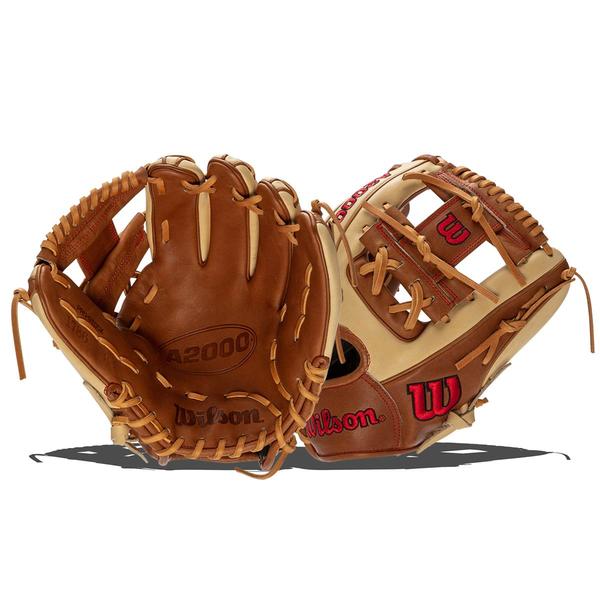
This model is configured as an infield glove in 11.5", with a shape aimed at quick transfers on ground balls and double-play turns. From the listed specs and product notes, expect a stiff feel with a moderate break-in period, the web is listed as an I-Web, and spec tags include A2000 series. Colorways shown for this listing: Black, Brown, Tan.
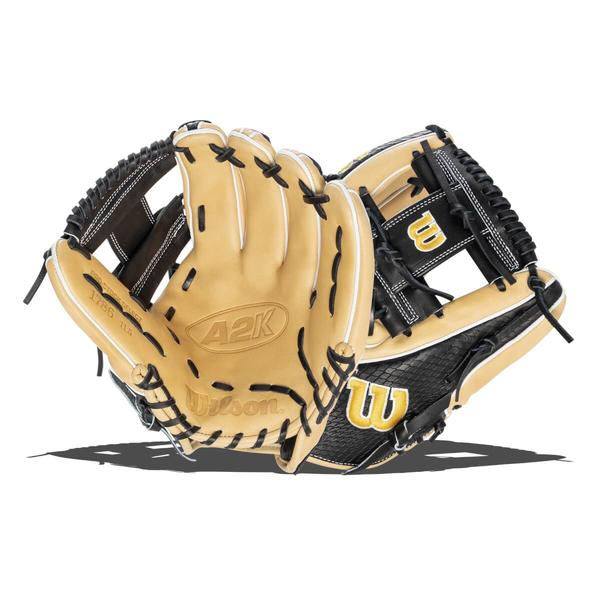
The Wilson A2K 1786 11.5" Baseball Glove (11.5") is categorized as an infield glove for quick transfers on ground balls and double-play turns. Available product details indicate an extra-stiff feel that usually takes longer to break in, the web is listed as an I-Web, and spec tags include A2K series. Colorways shown for this listing: Black, Tan, Yellow.
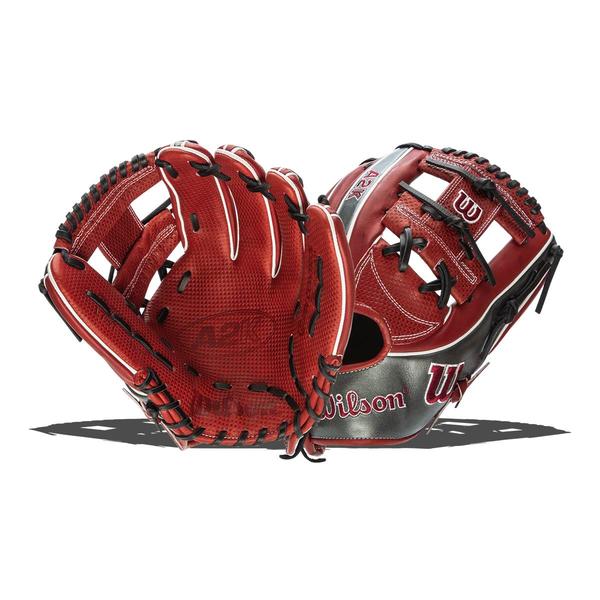
Wilson A2K Spin Control 1787 11.75" Baseball Glove is an infield glove in 11.75" built for quick transfers on ground balls and double-play turns. Technical details in the listing point to an extra-stiff feel that usually takes longer to break in, the web is listed as an I-Web, and noted build features include spin-control treatment in the pocket area. Current listing options include Black, Brown, Grey, Maroon, White.
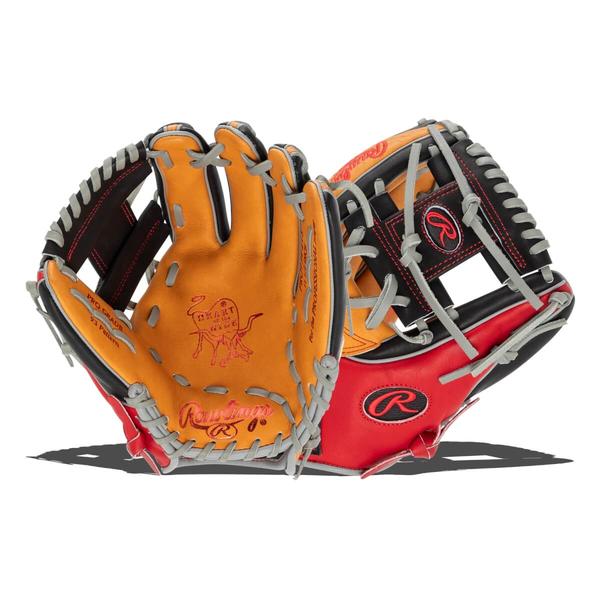
Listed as an infield glove at 11.5", Rawlings Heart Of The Hide ColorSync 8.0 Speed Shell 11.5" Baseball Glove is intended for quick transfers on ground balls and double-play turns. Available product details indicate a stiff feel with a moderate break-in period and the web is listed as an I-Web. Colorways shown for this listing: Black, Red, Tan.
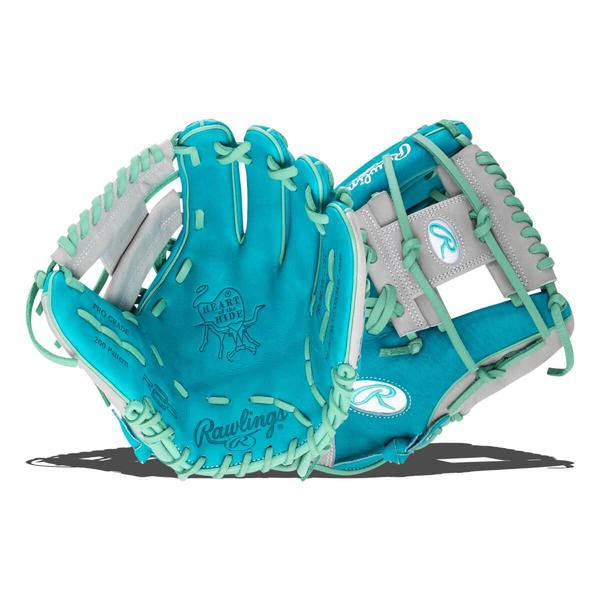
Listed as an infield glove at 11.5", Rawlings Heart Of The Hide R2G 200 11.5" Baseball Glove is intended for quick transfers on ground balls and double-play turns. Technical details in the listing point to a stiff feel with a moderate break-in period, the web is listed as an I-Web, and spec tags include Heart of the Hide line. Colorways shown for this listing: Mint, Orange, Purple, Teal, White.
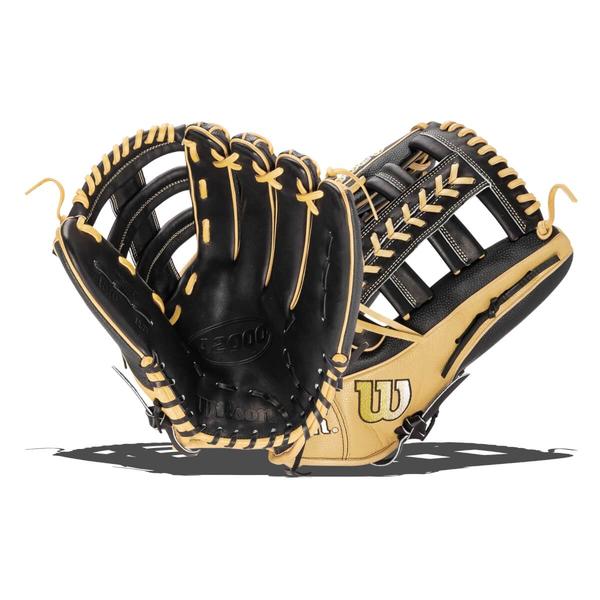
The 1810 pattern runs 12.75 and is one of Wilson's longest outfield designs. SuperSkin backing on the shell reduces weight and improves water resistance. Single post web. Good choice for corner outfielders who want reach without the full weight of an all leather glove.
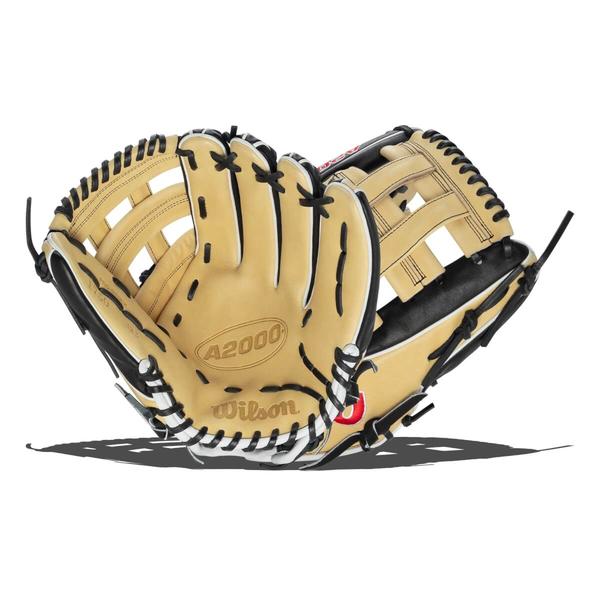
Wilson's popular 1799 outfield pattern scaled down to 12.5 for players who want a smaller, quicker closing glove. Good option for younger outfielders or players transitioning from infield who want something more manageable than a full 12.75. Same Pro Stock leather and break in requirements as the larger version.
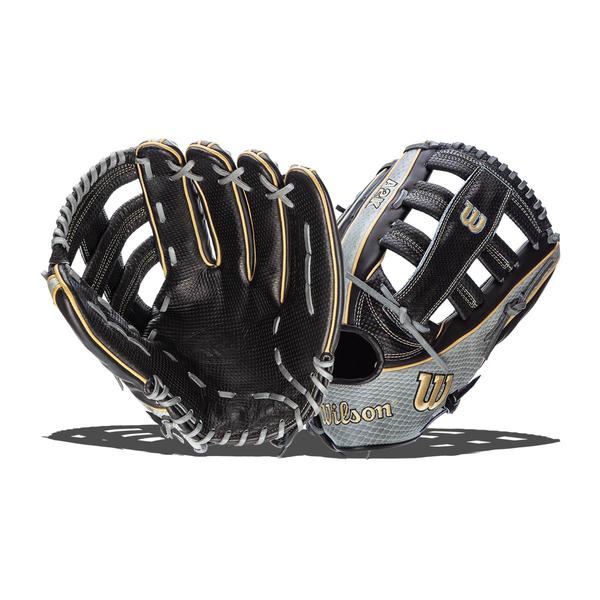
Pro Stock Select leather from the top 5% of Wilson's hides paired with Spin Control palm dimples that reduce ball spin at catch. Single post web with a deep pocket. Extra stiff out of the box so budget time for break in before game use.
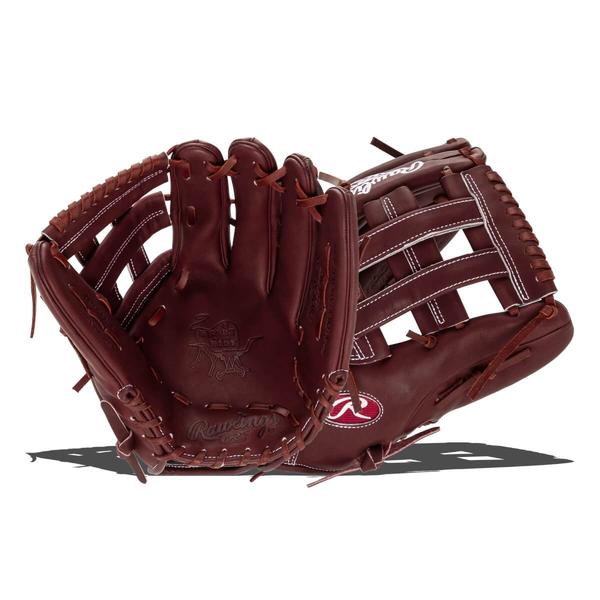
US steerhide shell on the 3039 pattern with an H-web built for outfield play. Standard Heart of the Hide construction means a stiff break in period but excellent durability once it's game ready. The red colorway stands out on the field.
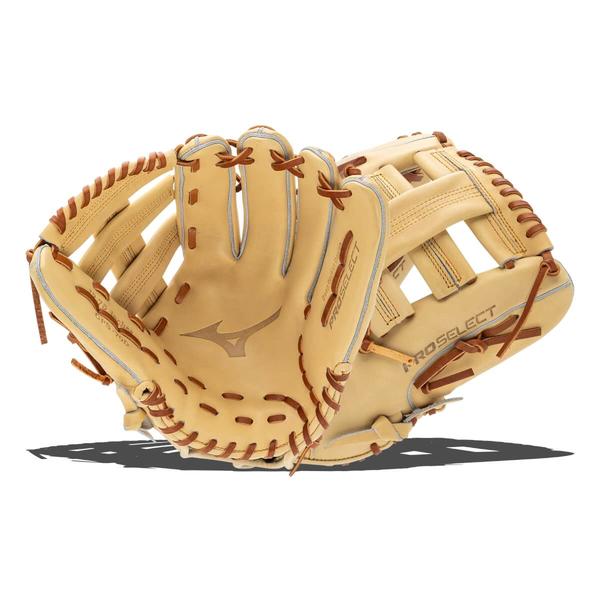
This model is configured as an outfield glove in 12.75", with a shape aimed at tracking fly balls and making longer-reach plays. Technical details in the listing point to a stiff feel with a moderate break-in period, the web is listed as a single-post web, and materials called out include steerhide leather. Listed color options are Blonde, Brown, Green.
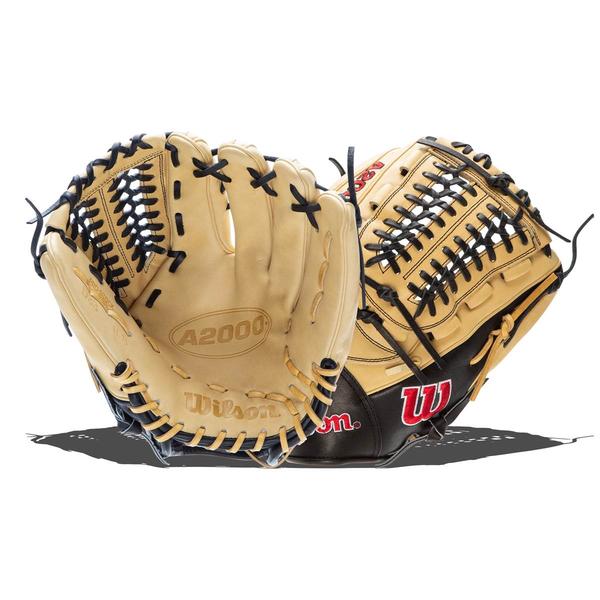
Listed as a pitcher's glove at 11.75", Wilson A2000 D33 11.75" Baseball Glove is intended for mound work and grip concealment. Available product details indicate a stiff feel with a moderate break-in period, spec tags include A2000 series, and materials called out include Pro Stock leather. Listed color options are Black, Brown, Tan.
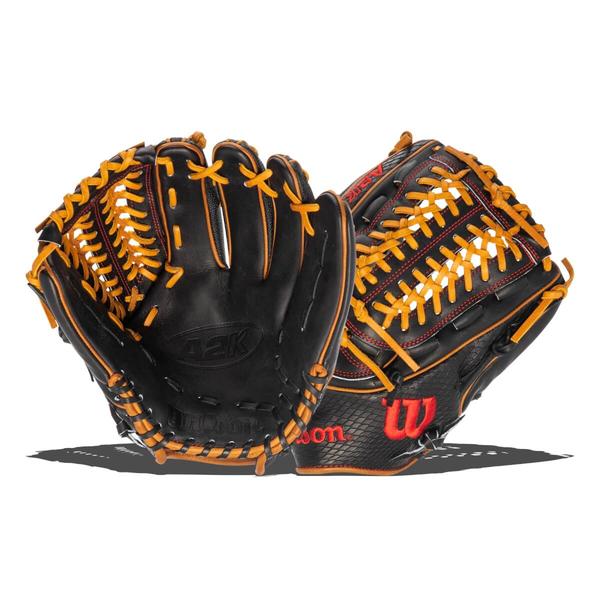
This model is configured as a pitcher's glove in 11.75", with a shape aimed at mound work and grip concealment. From the listed specs and product notes, expect an extra-stiff feel that usually takes longer to break in, spec tags include A2K series, and materials called out include SuperSkin backing. Current listing options include Black, Tan.
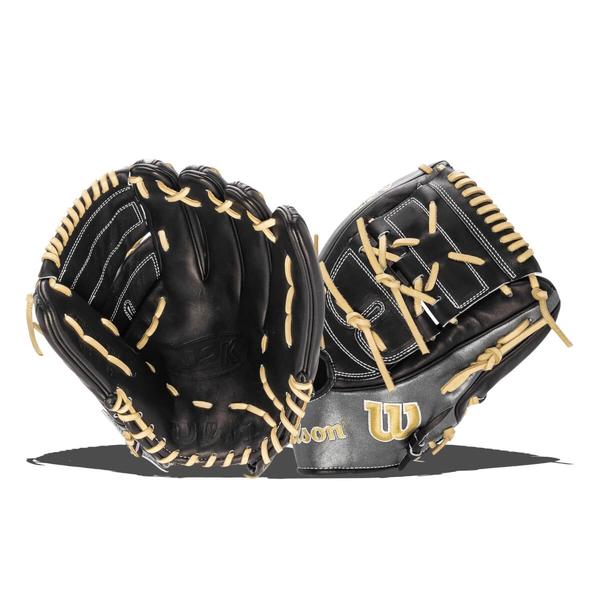
Listed as a pitcher's glove at 12", Wilson A2K B2 12" Baseball Glove is intended for mound work and grip concealment. From the listed specs and product notes, expect an extra-stiff feel that usually takes longer to break in, spec tags include A2K series, and noted build features include a closed-web pocket design. Listed color options are Black, Grey.
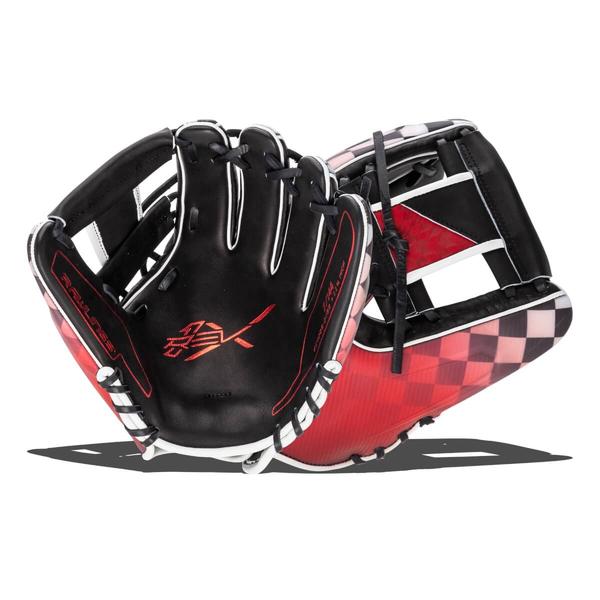
The Rawlings REV1X 200 11.75" Baseball Glove (11.75") is categorized as a pitcher's glove for mound work and grip concealment. Available product details indicate a stiff feel with a moderate break-in period, the web is listed as an I-Web, and materials called out include steerhide leather. Current listing options include Black, Blue, Green, Orange, and 6 more.
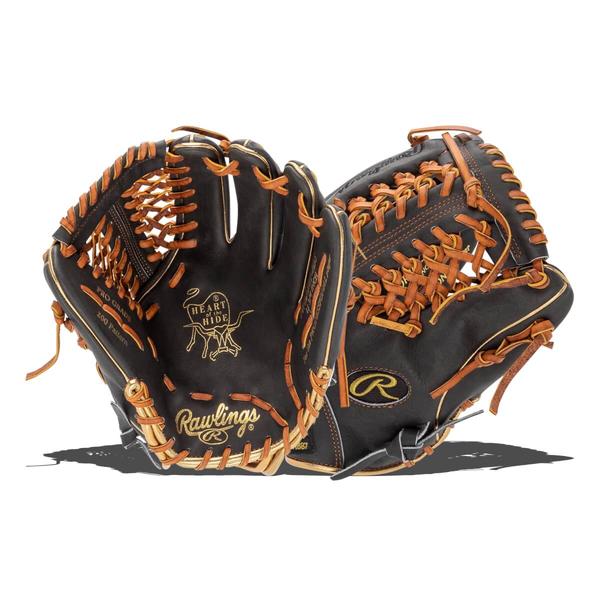
Rawlings Heart Of The Hide R2G 200 11.75" Baseball Glove is a pitcher's glove in 11.75" built for mound work and grip concealment. Available product details indicate a stiff feel with a moderate break-in period, the web is listed as a modified trapeze web, and spec tags include Heart of the Hide line. Colorways shown for this listing: Black, Brown, Tan.
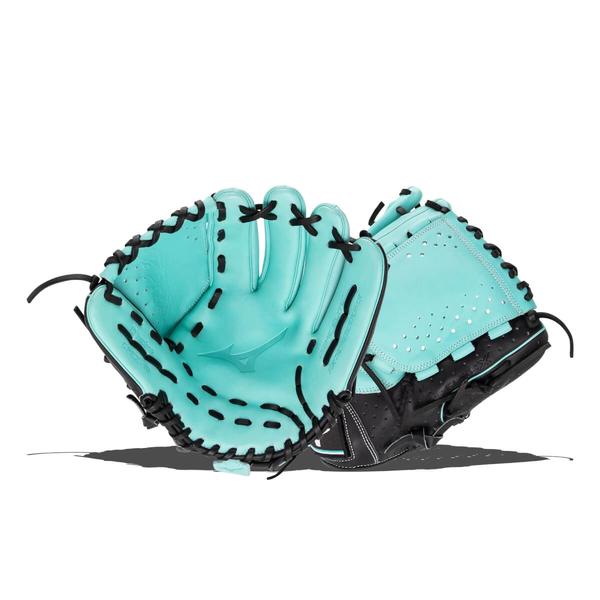
The Mizuno Prime Elite 12" Baseball Glove (12") is categorized as a pitcher's glove for mound work and grip concealment. Technical details in the listing point to a stiff feel with a moderate break-in period. Colorways shown for this listing: Black, Teal.
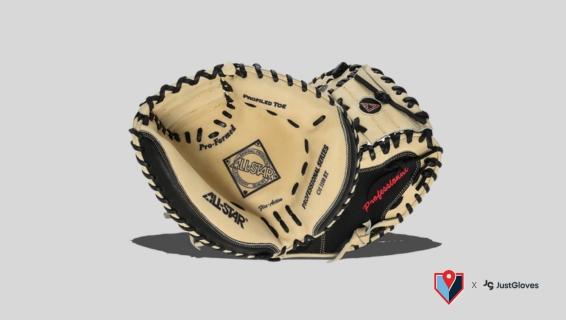
The All-Star Pro Series CM3100BT Catcher’s Mitt is built for high-level performance with Japanese US Steer Hide Leather and Heavy Duty Rawhide Lacing for durability and strength. Designed for quick break-in, it includes an extended pocket for easier catching and a Padded Wrist Guard for added protection and comfort.
Pros
- Great value for the price
- Break in time is shorter than most other models on our list
Cons
- Soft leather can lose it's shape sooner than stiff leather
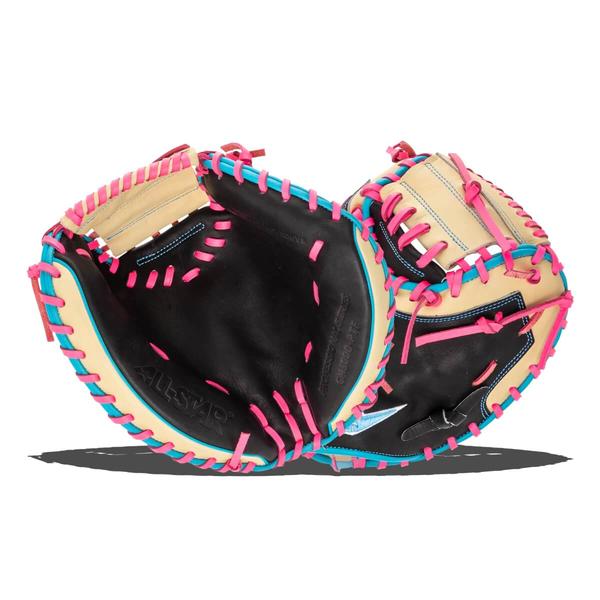
The All Star S7 Elite Miami Nights 33" Catcher's Mitt (33") is categorized as a catcher's mitt for receiving, framing, and blocking at the plate. From the listed specs and product notes, expect an extra-stiff feel that usually takes longer to break in and noted build features include extra index-finger protection and a deeper pocket shape. Listed color options are Blonde, Blue, Brown.
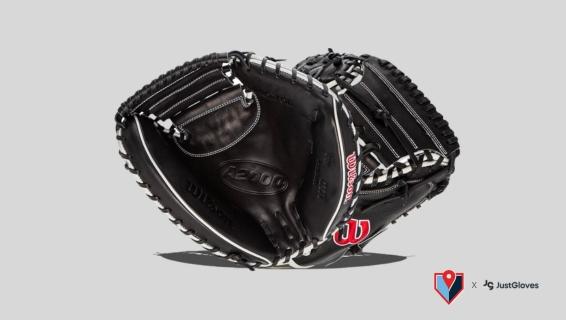
The Wilson A2000 M1D Catcher's Mitt is crafted made high-quality Pro Stock Leather for long-lasting durability and shape retention. Its butter-soft Pro Lux leather hand lining ensures a comfortable, custom fit over time.
This model is designed with an extended palm to help prevent balls from bouncing out when catching, and a deep pocket preferred by many catchers. The combination of these features makes the A2000 M1D a top choice for serious catchers looking for reliability and performance behind the plate.
Pros
- Best value for the price on our list
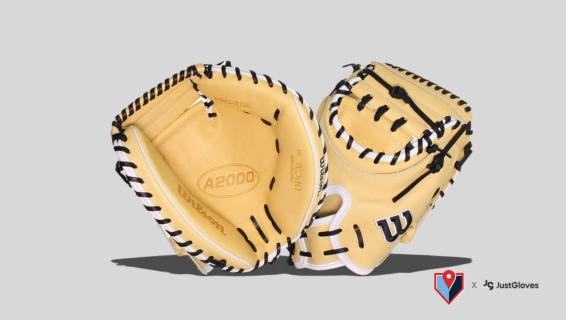
The Wilson A2000 CM33 Catcher's Mitt has a 33-inch circumference and a deep pocket, offering excellent ball control and quick glove-to-hand transfer. Its Pro Stock Select leather, made from American steerhide, ensures unmatched durability and a premium feel, built to last season after season.
Pros
- Durable
- Deep pocket
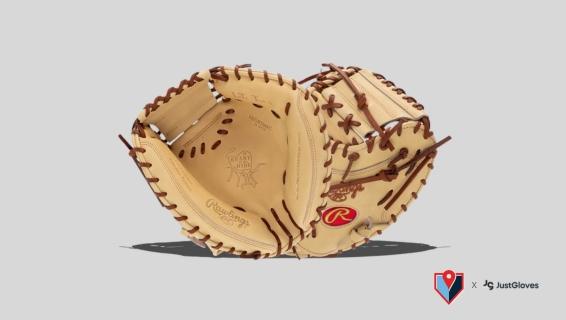
The Rawlings Heart of the Hide PRORYM4C is designed for elite catchers, featuring a 34-inch circumference and Yadier Molina’s signature YM4 pattern for superior fit and control. Made from top-grade U.S. steerhide, it offers durability and a pro-level feel. Key features include deertanned palm lining, padded thumb sleeve, fully closed webbing, and an index finger pad for protection. The pro-grade leather laces and thermoformed wrist padding ensure a customized, durable fit. Finished in a striking camel colorway, it combines performance and style, plus free shipping with purchase
Pros
- Yadier Molina model
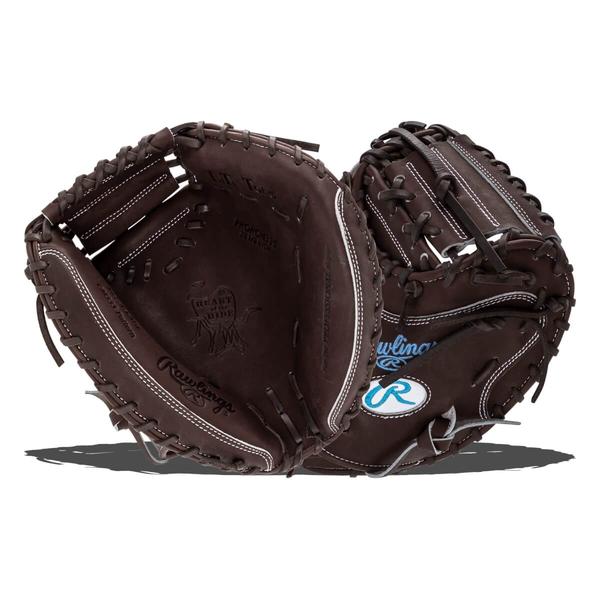
This model is configured as a catcher's mitt in 33.5", with a shape aimed at receiving, framing, and blocking at the plate. From the listed specs and product notes, expect an extra-stiff feel that usually takes longer to break in, spec tags include Heart of the Hide line, and materials called out include steerhide leather. Listed color options are Blue, Brown.
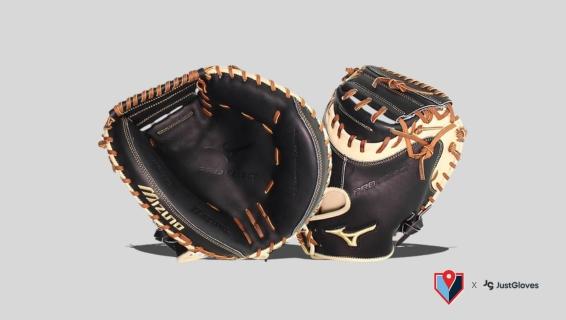
The Mizuno Pro Select Catcher's Mitt combines Mizuno's long-standing glove craftsmanship with advanced glove designs tailored for specific positions. Using scans of professional players' gloves, the mitt offers a pro fit for anyone. Made from durable US Steerhide leather, it molds really well to your hand over time. Mizuno also offers a 12-month warranty to cover potential manufacturing defects.
Pros
- Great value for the price
Cons
- Long break in
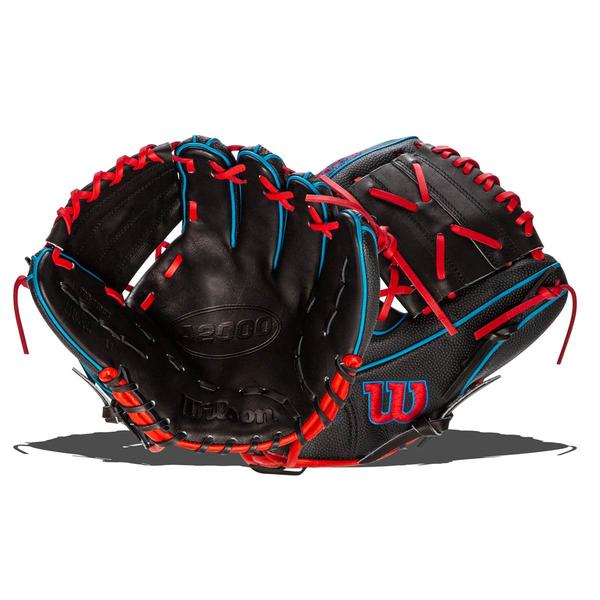
Listed as a baseball glove at 11", Wilson A2000 DP15 SuperSkin PFX2 11" Baseball Glove is intended for general defensive use. From the listed specs and product notes, expect a stiff feel with a moderate break-in period, spec tags include A2000 series, and materials called out include Pro Stock leather and SuperSkin backing. Current listing options include Black, Blue, Red.
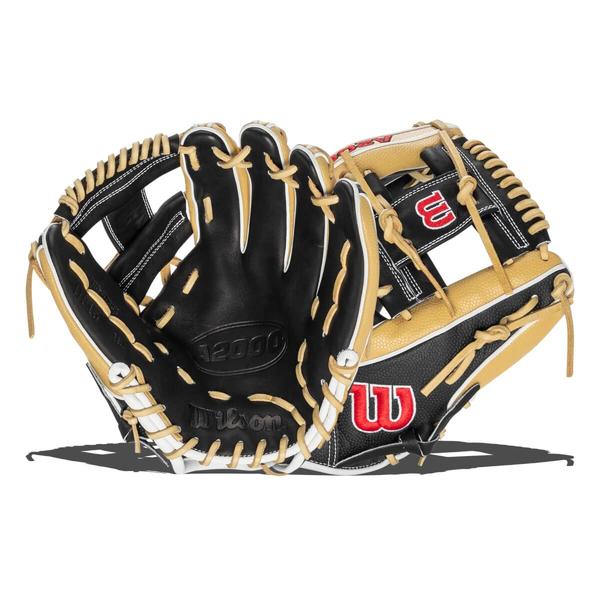
Wilson A2000 SuperSkin DP15 11.5" Baseball Glove is an infield glove in 11.5" built for quick transfers on ground balls and double-play turns. Available product details indicate a stiff feel with a moderate break-in period, the web is listed as an I-Web, and spec tags include A2000 series. Current listing options include Black, Red, Tan, White.
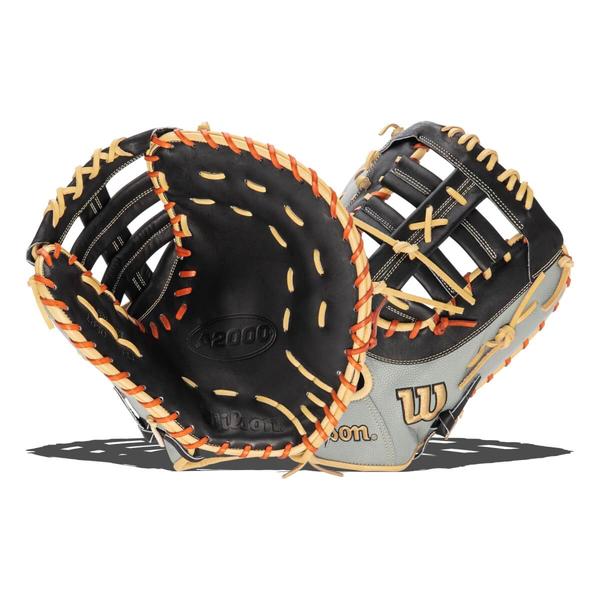
Wilson A2000 SuperSkin 1620 12.5" First Base Mitt is a first base mitt in 12.5" built for picks, scoops, and stretches around first base. Technical details in the listing point to a stiff feel with a moderate break-in period, the web is listed as a single-post web, and spec tags include A2000 series. Colorways shown for this listing: Black, Grey.
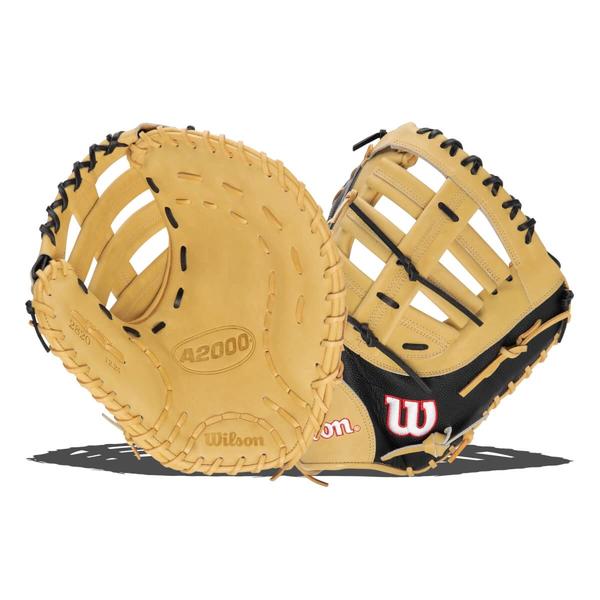
Listed as a first base mitt at 12.25", Wilson A2000 SuperSkin 2820 12.25" First Base Mitt is intended for picks, scoops, and stretches around first base. From the listed specs and product notes, expect a stiff feel with a moderate break-in period, the web is listed as a single-post web, and spec tags include A2000 series. Current listing options include Black, Tan.
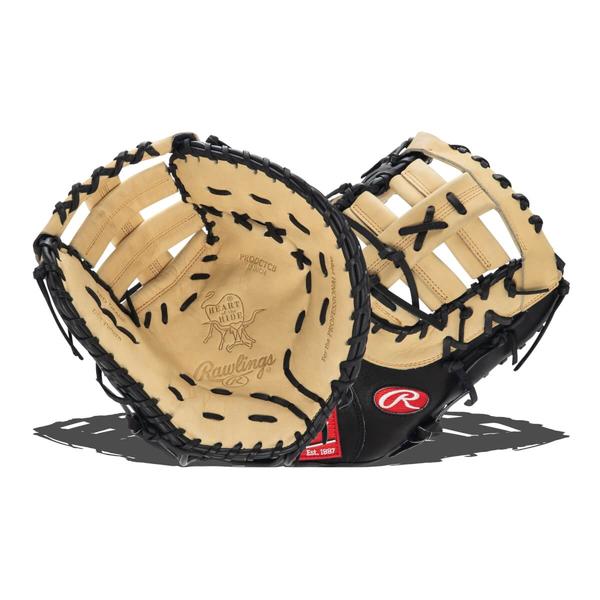
Listed as a first base mitt at 13", Rawlings Heart Of The Hide 13" First Base Mitt is intended for picks, scoops, and stretches around first base. From the listed specs and product notes, expect an extra-stiff feel that usually takes longer to break in, the web is listed as a single-post web, and spec tags include Heart of the Hide line. Colorways shown for this listing: Black, Brown, Tan.
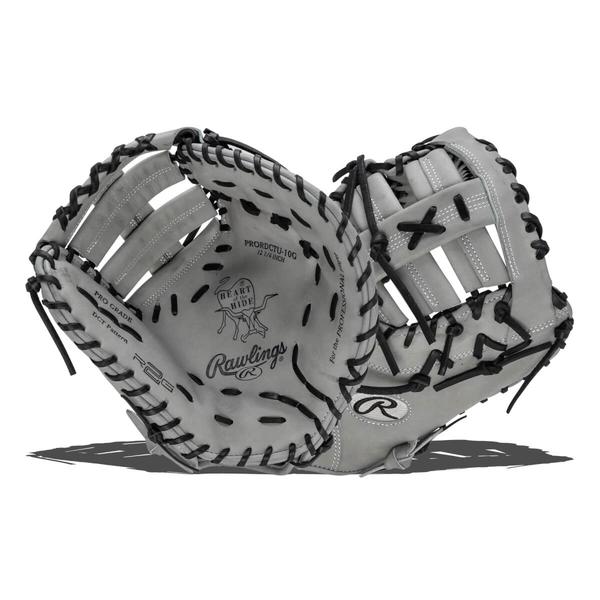
Rawlings Heart Of The Hide R2G 12.25" First Base Mitt is a first base mitt in 12.25" built for picks, scoops, and stretches around first base. Available product details indicate a softer feel with less break-in required, the web is listed as a single-post web, and spec tags include Heart of the Hide line. Current listing options include Black, Grey.
Join the club!
Sign up for our newsletter for more articles like this and features updates from our team!
Zach Kerr
Author
Zach is a former college pitcher & Founder of Baseball Near You.