Best Torpedo Bats (2027 Edition)
Written by Zach Kerr
Updated October 10th, 2026


You’ve probably seen them on your feed, shorter barrels, unusual shape, and a design that looks more like a bowling pin than a bat. Torpedo bats are making waves across the baseball world, and not just in pro dugouts. But what actually makes them different? And more importantly, should your player consider swinging one?
We may earn a commission if you buy through links on this page.
What is a Torpedo Bat?
A torpedo bat is a style of bat that came out in 2025 and was very popular among enthusiasts. It has more mass concentrated closer to the handle rather than at the end of the barrel. The result is a fatter handle-to-midsection taper and a thinner endcap, hence the “torpedo” look. This changes how the bat swings:
- It feels more balanced in the hands
- It promotes shorter, quicker swings
- It can help some hitters find the barrel more often
It’s still legal in most leagues as long as it meets standard material and certification requirements (BBCOR, USSSA, etc.), but it's worth double-checking before you buy.
Best Torpedo Bats You Can Buy Today
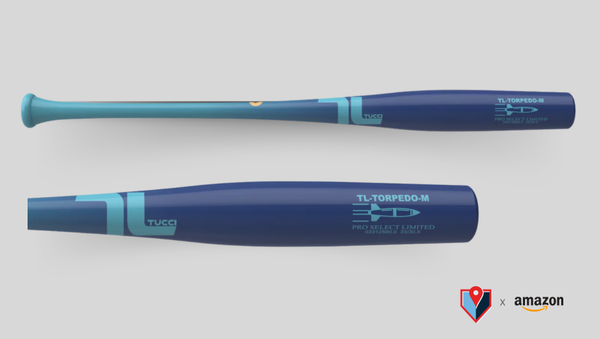
The Subzero is a bold take on the Tucci Torpedo, designed for hitters who want looks and performance in one swing. Its torpedo taper redistributes weight below the end cap, expanding the barrel’s sweet spot for more consistent contact. The thin handle enhances bat speed, and the three-part gloss clearcoat adds strength and visual polish. Hand-split maple billets ensure pro-level quality, and the 60-day warranty offers added peace of mind.
Pros
- Subtle colorway stands out without being flashy
- Elongated sweet spot thanks to torpedo barrel taper
- Three-part gloss finish increases surface hardness and durability
Cons
- More expensive than other models
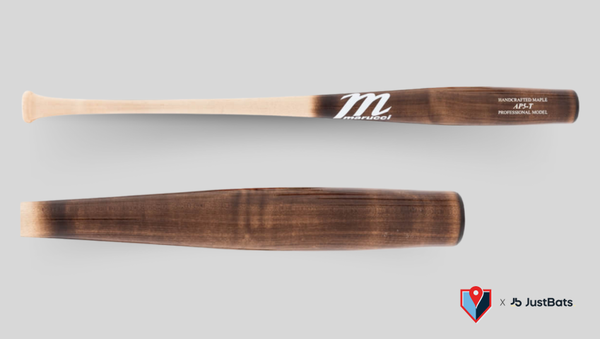
A modern spin on Marucci’s most iconic model, the AP5 Torpedo delivers more efficient weight distribution through a redesigned barrel. The result: a bat that hits hard and stays balanced. Built from pro-grade maple, it features the same quality trusted by top hitters—now with a torpedo twist.
Pros
- Classic AP5 shape re-engineered for better performance
- Slightly end-loaded feel is great for hitters who want extra drive
- Bone-rubbed finish for durability and crisp feel on contact
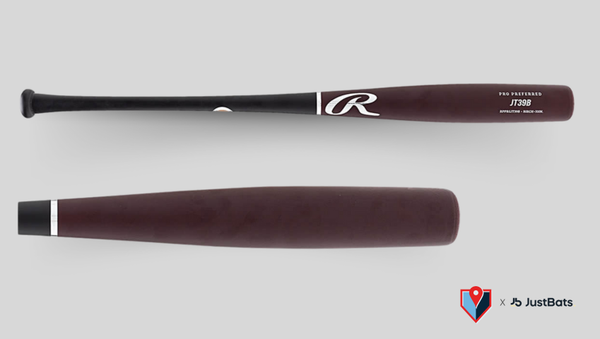
With its high-density 2.5" torpedo barrel and JT298 turn, the JT39 model delivers a forgiving feel and punishing performance. The torpedo contour expands the sweet spot while reducing swing weight, making it a great option for players who want big contact without sacrificing bat speed.
Pros
- Birch wood offers the hardness of maple with extra flex
- Massive barrel profile with reduced swing weight
- Great option for both power and contact hitters
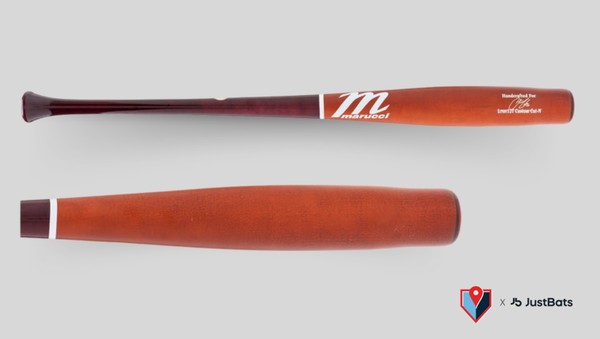
A modern spin on Marucci’s most iconic model, the AP5 Torpedo delivers more efficient weight distribution through a redesigned barrel. The result: a bat that hits hard and stays balanced. Built from pro-grade maple, it features the same quality trusted by top hitters—now with a torpedo twist.
Pros
- Designed with MLB All Star Francisco Lindor
- Great balance and control for precision hitters
- Bone-rubbed finish boosts hardness and longevity
Cons
- Slightly more expensive than the AP5
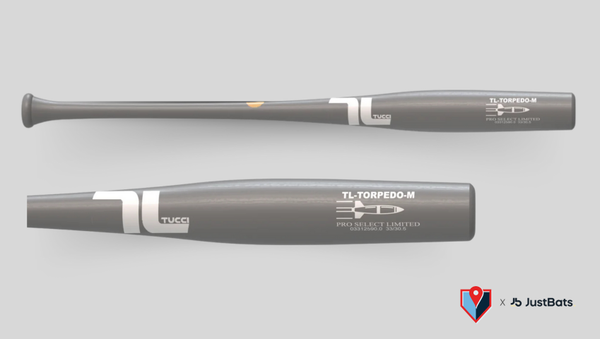
Crafted from top-grade hand-split maple, the Tucci Torpedo shifts weight lower in the barrel to expand the sweet spot and boost barrel control. A thin handle helps generate whip, while the glossy clearcoat hardens the surface and brings out a clean, pro-level finish. Designed for hitters who want both power and finesse.
Pros
- Huge sweet spot due to torpedo design
- Ultra-gloss triple-coat boosts durability and looks sharp
- Thin handle delivers elite whip through the zone
Cons
- Slightly heavier feel than traditional wood bats
2027 update: none of the 2027 metal bats we've added so far are torpedo-profile models, so the wood torpedo picks above carry into 2027 unchanged.
Why Are Torpedo Bats Taking Off?
Torpedo bats might look strange, but there’s real science and growing demand behind their rise.
The shape wasn’t just a gimmick. A physicist named Aaron Leanhardt developed the torpedo design by analyzing where hitters actually make contact. Most players don’t consistently square up pitches on the tip of the bat. Instead, they make contact in the mid-barrel zone. So Leanhardt shifted the mass toward that area, tapering off the end and thickening the handle-to-barrel transition.
What you get is a bat that:
- Feels faster in the hands
- Swings more evenly
- Improves barrel control, especially for line-drive and gap hitters
And while the shape looks nontraditional, the performance data behind it isn’t.
What Makes Torpedo Bats Unique?
Compared to a traditional bat, torpedo bats typically:
- Feature a lower moment of inertia, making it easier to start and stop your swing
- Offer a longer dwell time in the zone, giving hitters a better shot at squaring up late movement
- Reduce barrel “drift”, which happens when too much mass is stuck out near the end cap
Players report they can stay inside the ball better and adjust mid-swing without sacrificing pop.
Why They're Showing Up Everywhere
What started with a few MLB bats has now trickled down:
- Custom bat makers are now offering torpedo-style profiles for BBCOR, USSSA, and youth wood bats
- College and high school hitters are using torpedo-style bats for cage work and situational hitting
- Travel teams and instructors are testing them with players looking to tighten barrel paths or fix early extension issues
Should You Try One?
If you’re curious about torpedo bats, the real question is what type of hitter are you?
These bats are best suited for players who value control, balance, and clean contact. The redistributed weight helps you stay in the zone longer and square up more consistently, especially on pitches middle-in or when reacting late.
You might benefit from a torpedo bat if:
- You tend to roll over or get jammed and need help keeping the barrel through the zone
- You’re a line-drive or doubles hitter who wants more control without losing pop
- You’ve struggled with swing consistency when switching between different bats
On the other hand, if you rely on a traditional end-loaded feel to launch the ball deep, or if you’re swinging for fences every at-bat, you might find torpedo bats too balanced for your taste.
The best move? Test one in practice. A lot of players notice a difference within a few swings.
Still deciding? Answer 6 quick questions in our Bat Finder, and it will narrow the field to bats that fit your player.
You May Also Like
- Best BBCOR Bats For 2027
- Best Drop 3 Baseball Bats (-3)
- Best Composite Baseball Bats
- Best Two-Piece Baseball Bats
- Best Aluminum Baseball Bats
Join the club!
Sign up for our newsletter for more articles like this and features updates from our team!
Zach Kerr
Author
Zach is a former college pitcher & Founder of Baseball Near You.