Best Youth Bats of 2026 (Buying Guide)
Written by Zach Kerr
Published February 18th, 2026 · Updated September 25th, 2026


Buying a youth baseball bat used to be a lot simpler. You picked a size, checked the price, and went to the field. Now you're navigating multiple certifications, many drop weights, composite break-in periods, and various barrel diameters. Not to mention every manufacturer's website makes it sound like buying the wrong bat will ruin your kid's season.
Here's what actually matters: the right bat for an 8-12 year old is the one they can swing with control, that's legal for their league, and that fits where they are right now, not where you hope they'll be in two years. We've tested bats across this age range, across both USA and USSSA standards, and across every price point. Below you'll find what actually works, and everything you need to make a smart decision the first time.
Best Youth Baseball Bats for 2026
USSSA Bats
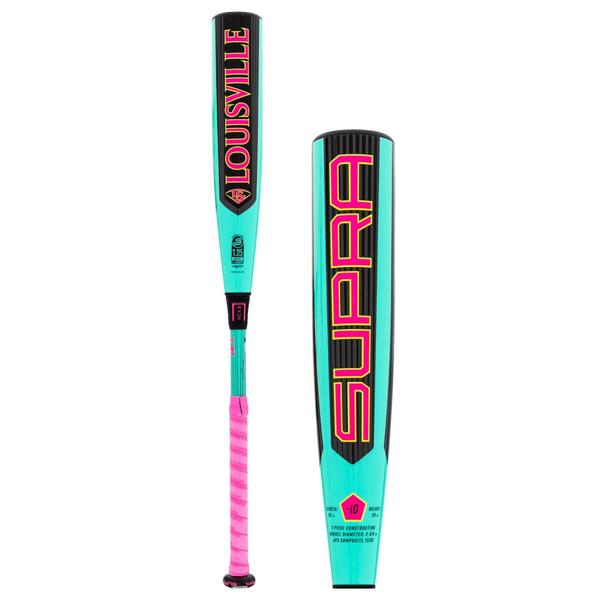
Louisville's top USSSA bat for 2026. Two-piece composite with the Supra APX Composite Barrel — LS says it's game-ready out of the wrapper, which is a real advantage over composites that need a long break-in. XPND Performance End Cap extends performance toward the barrel tip, giving you more on off-center contact. VCX3 connection manages vibration without dulling the feel. Balanced swing, 2 3/4" barrel. Available in -10, -8, and -5.
Pros
- Large sweet spot
- Great pop
- Balanced swing feel
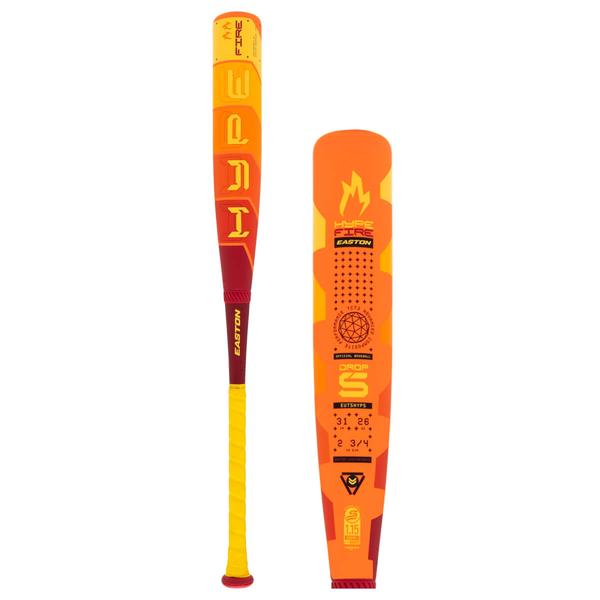
Easton's flagship two-piece composite for 2025. Thermo Composite barrel runs lower compression and a larger sweet spot, better contact across more of the barrel. Connexion Max handles energy transfer and keeps vibration manageable. The Opti-Flex Handle is specifically tuned to the drop 5 with added stiffness, which helps with power output as players develop. Power Boost soft knob reduces sting on mishits. Balanced swing, USSSA certified.
Pros
- Great pop
- Balanced swing feel
Cons
- Durability issues
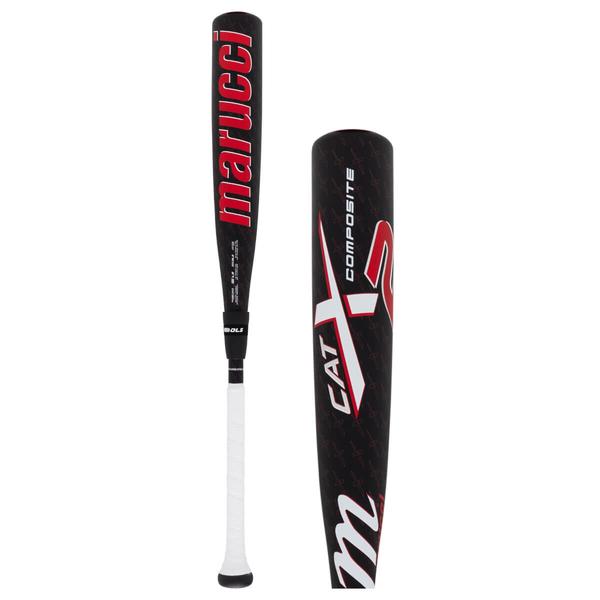
Marucci's two-piece composite step up from the alloy CATX2. MDX Composite Material uses multi-directionally patterned layers for an ultra-responsive barrel. The Outer-Locking System (OLS) attaches barrel to handle from the outside — Marucci says it creates one of the stiffest connections available, which means less energy lost and more power transferred. Liquid-Gel Dampening Knob holds liquid-gel to absorb vibration and smooth the feel at contact. Mid-balanced swing with a slight end load. Available in -10, -8, and -5.
Pros
- Great pop
- Balanced swing feel
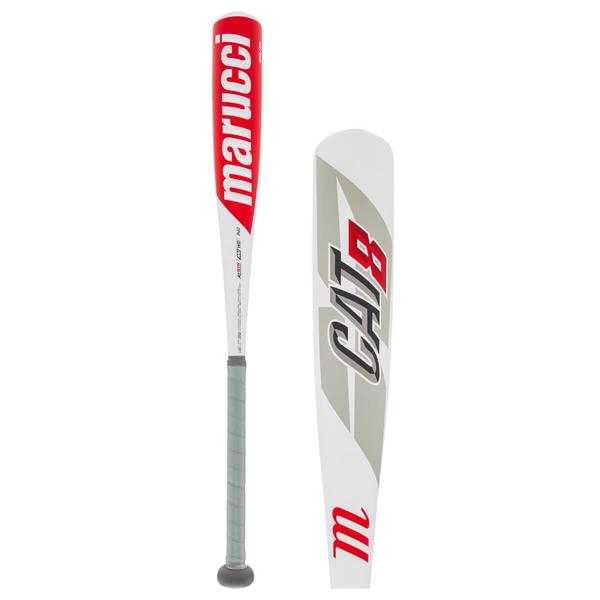
The CAT8 is Marucci's one-piece alloy — a proven bat that holds up over a full season. Built with AZ105 Alloy (the strongest aluminum in Marucci's lineup), which allows for thinner barrel walls, a higher response rate, and better durability than previous alloy models. Ring-free barrel eliminates dead spots and improves flex. The 2nd Gen AV2 Anti-Vibration Knob cuts down on sting significantly for an alloy bat. Drop 10, balanced swing, 2 3/4" barrel. Worth considering if your player plays year-round or goes through bats quickly.
Pros
- Great pop
- Large sweet spot
- Balanced swing feel
Cons
- Vibration or sting
- Durability issues
- Expensive
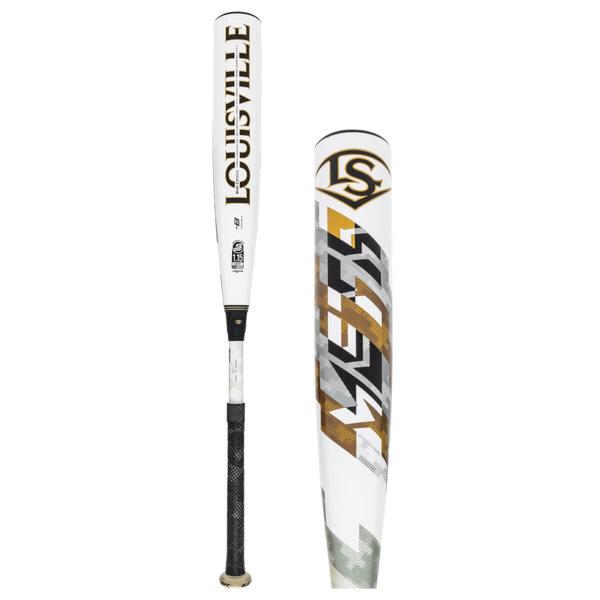
The Meta has been one of the most consistent USSSA bats for years, and the current version holds up. Three-piece all-composite with an EKO Composite Linear Wall Barrel — the sound on contact is distinct, and the feedback it gives hitters is genuinely useful. VCX2 Connection reduces vibration while maintaining feel. 2 3/4" barrel, balanced swing, drop 8. A reliable top choice for travel ball players in the 11-13 age range.
Pros
- Great pop
- Large sweet spot
Cons
- Expensive
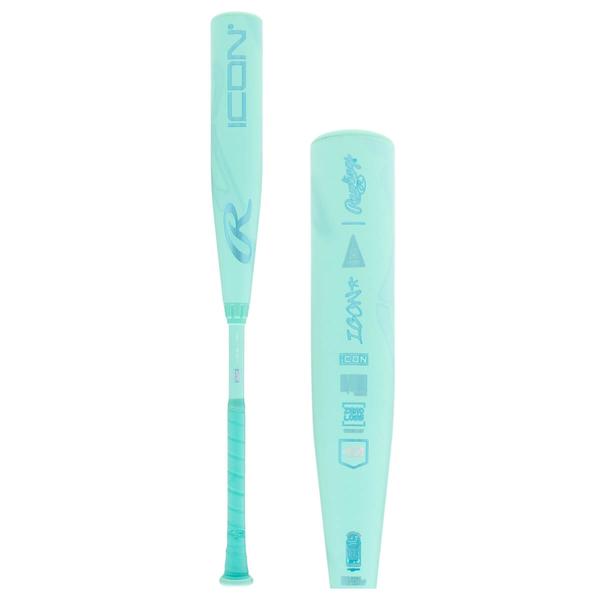
Rawlings' premium USSSA composite for 2026. Two-piece, all-composite with In/Tense Carbon Composite construction — a seamless barrel designed to boost trampoline effect and widen the sweet spot. Zero Loss Technology at the connection minimizes vibration while keeping the handle stiff, so energy isn't wasted on contact. The swing has a slightly end-loaded feel compared to other balanced bats — better fit for power hitters than pure contact guys. RevGrip handle for tack and cushion. Available in -10, -8, and -5.
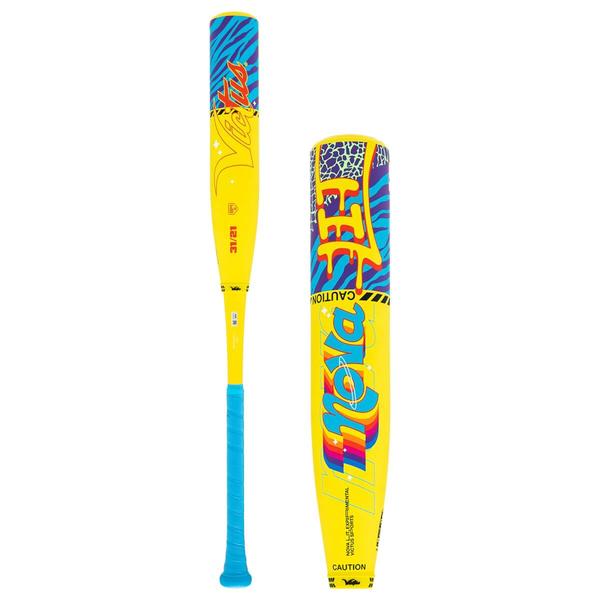
The Nova Lit is Victus's first all-composite bat — a significant move for a brand that built its reputation on alloy. Two-piece construction with a Carbon Eclipse Composite barrel: advanced carbon fiber layering inside an impact-resistant outer shell. Victus says it performs hot out of the wrapper, which matters with composites — a long break-in period is a real inconvenience. XL barrel for a bigger hitting surface. Dynamic Handle Technology (DHT) and the 2SIX connection work together to balance flex and kill vibration at contact. End-loaded swing weight. Available in -10, -8, and -5 (28-32 inches).
USA Bats
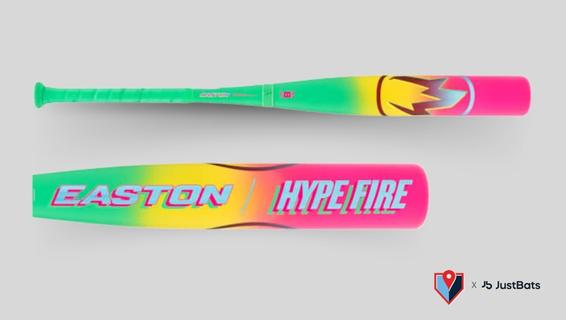
The Easton Hype Fire series is one of the best USA bat lines you can put in a young player's hands, featuring two-piece all-composite construction with serious pop once it's broken in. That 3D Ropecoil barrel design creates a huge sweet spot that wraps around the barrel, so even when contact isn't perfect, the ball still jumps off the bat with explosive performance across the entire hitting surface. The Connexion Max technology enhances energy transfer and absorbs vibration really well, so kids aren't getting their hands stung on inside pitches or mishits, while the Opti-Flex handle provides optimized stiffness to improve both feel and power output. Available in -11, -10, -8, and -5 drops with balanced swing weights and low MOI across the lineup, the series helps young hitters generate faster bat speed and better barrel control for more consistent contact. Easton backs the entire Hype Fire series with a 12-month manufacturer's warranty.
Pros
- Excellent pop
- Large barrel
- Absorbs vibration
- Available in many different weights
Cons
- Requires a break-in period
- Susceptible to cracking in cold weather
- Price
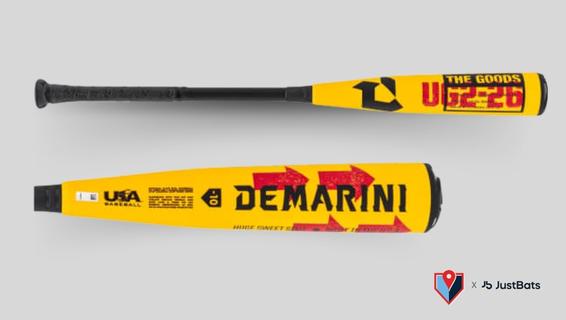
The Goods -10 USA Baseball Bat is built around DeMarini's massive X14 alloy barrel paired with a composite handle in a two-piece hybrid design that delivers explosive power right out of the wrapper without any break-in period. That X14 barrel is legitimately hot and provides a large sweet spot with serious pop, while the composite handle does a nice job absorbing vibration to keep your hands comfortable on mishits. The Direct Connection technology creates a stiff feel that optimizes energy transfer for consistent, hard contact, and the Tracer end cap enhances bat speed while maintaining the barrel's performance. With its balanced swing feel and drop 10 length-to-weight ratio, it's a versatile choice for players who want to generate quick bat speed while still driving the ball with authority. DeMarini backs it with a 12-month manufacturer's warranty, and since it's alloy, you get immediate performance from day one without waiting for a break-in period.
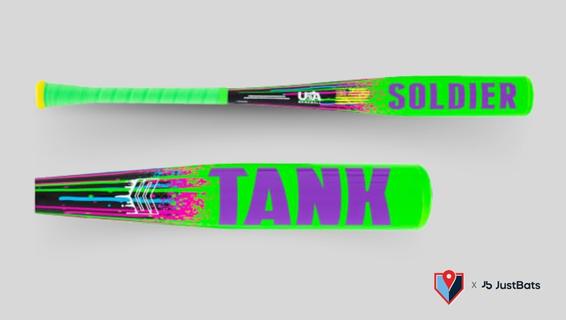
The Soldier Tank 2 USA Baseball Bat is a one-piece, all-alloy option built for youth players who want that traditional stiff feel with immediate feedback on contact. That alloy construction means it's hot right out of the wrapper without any break-in period, and the Power Connector feature enhances barrel whip while reducing vibration, though as a one-piece alloy, you'll still feel more feedback on mishits than you would with a composite or two-piece design. The balanced swing feel keeps it manageable and controllable through the zone, making it versatile for different types of hitters who want quick bat speed without sacrificing pop. It's approved for all major USA Baseball leagues and comes in bold Drip Collection colorways that stand out on the field, backed by a 12-month manufacturer's warranty. If you're looking for an affordable one-piece alloy that delivers immediate performance and doesn't require any break-in period, the Soldier Tank 2 is a solid budget-friendly option that won't break the bank.
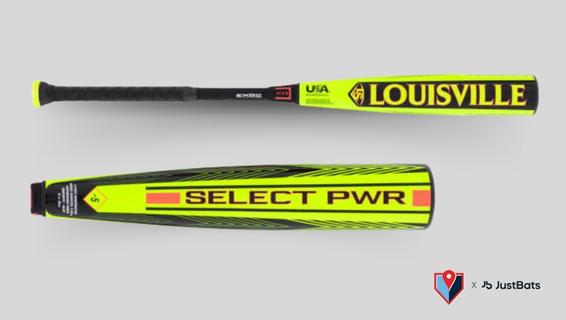
The Louisville Slugger Select PWR series is a solid USA bat option built around an extended EXD alloy barrel that's a full half-inch longer than most traditional USA bats, creating an expanded hitting surface and larger sweet spot for more consistent contact. That alloy construction means it's hot right out of the wrapper without any break-in period, and the VCX2 Vibration Control Connection System does a nice job reducing hand sting while maintaining that crisp feedback players want when they barrel one up. The SPD-Gen2 end cap optimizes barrel performance and energy transfer, while the Premium LS Comfort Pro Grip paired with the flared knob taper gives you solid tack and leverage without feeling sticky or uncomfortable. Available in -10, -8, and -5 drops with balanced swing weights across the lineup, the series offers options for players at different strength and development levels while maintaining quick, controlled swings with legitimate pop. Louisville Slugger backs the entire Select PWR series with a 12-month manufacturer's warranty for peace of mind on your investment.
Pros
- Large sweet spot
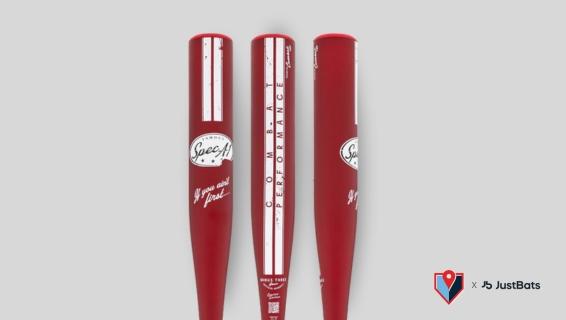
The Louisville Slugger Meta -10 USA Baseball Bat is built around an EKO Composite Barrel engineered for top-tier performance with a light-swinging feel, massive barrel profile, and an optimized sweet spot that delivers consistent, powerful contact once broken in. What makes the Meta unique is its three-piece construction with the VCX3 Vibration Control Connection System, which dramatically reduces hand sting better than most two-piece designs while still providing satisfying feedback on well-struck balls. The GT1 end cap improves barrel control and overall feel, allowing hitters to whip the bat through the zone with precision, while the Premium LS Pro Comfort Grip combines tack and cushion for a secure hold. With its balanced swing weight, the Meta makes it easy to generate quick bat speed without sacrificing power, working well for contact hitters and gap-to-gap players alike. Louisville Slugger backs it with a 12-month manufacturer's warranty.
Pros
- Strong pop
- Large sweet spot
- Balanced swing feel
Cons
- Durability concerns
- Hand sting on mishits
- Requires break-in
First: Figure out which certification you need
This is the single most common mistake parents make, and it's an expensive one. Youth baseball has two primary bat certifications, and they are not interchangeable. Buying the wrong one means the bat is illegal in your league before it ever touches a pitch.
USA Baseball (stamped "USA Baseball")
Required for: Little League, Cal Ripken, Babe Ruth (12U and younger), Dixie Youth, PONY (12U and younger), and most recreational leagues. Performance level: Intentionally limited, closer to wood bat performance, designed for player development and safety. If you're not sure: This is the safer guess for rec ball and most town leagues.
USSSA (stamped "USSSA 1.15 BPF" or "NTS Tested")
Required for: USSSA tournament and travel baseball. It's the dominant standard for competitive youth and travel organizations. Performance level: Noticeably more pop than USA bats. The 1.15 BPF standard allows more trampoline effect than USA certification. If you're not sure: Check your league's website or ask your coach before buying anything.
The practical test: Look at your player's team registration paperwork or your league's website. It will specify the required certification. If it says "Little League" or "USA Baseball," you need a USA bat. If it says "USSSA" or references BPF 1.15, you need a USSSA bat.
Buying a USSSA bat for a Little League game, or a USA bat for a USSSA tournament, is illegal. No exceptions, no workarounds. Check first.
Want a deeper breakdown of one specific standard? See our dedicated guides: Best USA Baseball Bats & Best USSSA Baseball Bats
What makes a youth bat the "best"
There's no universal answer. A bat that's perfect for a strong, experienced 12-year-old is the wrong bat for an 8-year-old still learning to make contact. Price doesn't equal fit, and last year's model might serve your player better than this year's most-hyped release.
What actually determines whether a bat is "best" for your player: whether they can swing it with control, whether it's the right certification for their league, and whether it matches where their mechanics and strength actually are today. Everything else, materials, technology, colorways, is secondary to those three things.
How to choose the right bat for your kid
Our Decision Framework
Once you know your certification (USA or USSSA), you're making four decisions:
- Drop weight: How heavy should the bat be relative to its length?
- Material: Alloy, composite, or hybrid?
- Construction: One-piece or two-piece?
- Length: What size fits your player right now?
Get drop weight and length right first. They have the biggest impact on whether a player can actually swing the bat effectively. Material and construction matter, but only after the fit is right.
Drop Weight: The Most Important Decision
Drop weight is the difference between a bat's length in inches and its weight in ounces. A 30-inch bat that weighs 20 ounces is a drop 10 (-10). The higher the number, the lighter the bat relative to its length.
For 8-12 year olds, the typical range is -10 to -8. Here's how to think about it:
-10: The most common drop weight for this age group. Light enough for players to develop proper swing mechanics and bat speed, heavy enough to generate real contact. The right starting point for most players ages 8-11, and the right bat for smaller or still-developing 12-year-olds.
-8: A step up for players who have clearly outgrown -10. The extra weight rewards stronger swings and begins building the strength needed for the transition to heavier bats. Common for physically advanced 11-12 year olds. Don't rush here, if they're dragging the barrel, they're not ready.
-5 (USSSA only): Rarely appropriate for this age range. The -5 drop is a legitimate choice for elite 13-14 year olds preparing for high school ball. For most 8-12 year olds, it's too heavy to swing effectively.
The drop weight test: Have your player hold the bat straight out to their side, parallel to the ground. If they can hold it steady for 30-45 seconds, the weight is manageable. If the barrel immediately drops, it's too heavy.
The better test: watch them swing. A bat that fits produces a quick, direct path through the zone. A bat that's too heavy produces casting, slow bat speed, and consistent late contact on velocity. If you see that, go lighter, immediately.
When in doubt, go lighter. Bat speed generates power. A lighter bat swung fast and under control beats a heavier bat swung slow every time. You can always move up in weight. Undoing the bad habits a too-heavy bat teaches is much harder.
Drop Weight by Age
Ages 8-9 typically use a -10. The focus at this stage is mechanics and contact, bat speed matters more than weight. Ages 10-11 usually stay at -10 as well; only move to -8 if they've clearly outgrown it. At 12, physical players may be ready for -8, but watch the swing, not the age.
These are guidelines. A big, strong 9-year-old might handle -10 with room to spare. A smaller 12-year-old might benefit from staying at -10 another season. Watch the player.
Bat Materials
Alloy (Aluminum)
The good: Game-ready immediately, no break-in needed. More durable, especially in cold weather and through heavy cage use. Less expensive. Consistent performance across the bat's lifespan.
The tradeoffs: Smaller sweet spot. More sting on mishits. Less pop compared to a properly broken-in composite.
Best for: Younger or developing players (8-10), families on a budget, cold-weather climates, and players who use their bat heavily in the cage. Alloy is the lower-risk, lower-maintenance choice, and for most players in this age range, it's entirely sufficient.
Composite
The good: Larger sweet spot once broken in. Better vibration dampening, significantly less sting on mishits. More pop, especially on off-center contact. Can be engineered for a lighter swing weight at the same length.
The tradeoffs: Requires 150-200 swings to break in before reaching peak performance. More expensive. Can crack in cold weather (below 60°F is a real risk). Less durable through heavy cage use.
Best for: Experienced players with solid mechanics (typically 10-12 in this age range), families who can invest and will protect the bat properly, and warm-weather climates. If your player is competing at the travel ball level and has developed consistent contact, composite delivers a meaningful performance advantage, after break-in.
Hybrid
What it is: Typically an alloy barrel with a composite handle.
The good: Alloy barrel durability and cold-weather performance, combined with composite handle vibration dampening. Usually game-ready with minimal break-in.
The tradeoffs: More expensive than pure alloy. Jack of all trades, doesn't fully match the performance ceiling of a broken-in composite barrel.
Best for: Players who want reduced hand sting without the composite barrel maintenance and cold-weather concerns. A solid middle-ground choice for families in mixed-weather climates who don't want to manage two bats.
The Cold Weather Factor
If your player's season starts in March and you're in the Northeast, Midwest, or anywhere that sees early games below 60°F, think carefully before buying a full composite bat. Composite barrels can crack in cold temperatures, and most manufacturer warranties don't cover cold-weather damage.
Options for cold-weather families:
- Use an alloy bat for cold-weather games, composite for summer
- Go hybrid (alloy barrel holds up better in cold)
- Stick with alloy if managing two bats isn't realistic
Travel and tournament seasons often start in March. Know what you're buying before the first game.
One-Piece vs. Two-Piece Construction
One-piece: Handle and barrel are a single continuous piece. Feels stiff and direct, you feel the full transfer of energy on contact, including mishits. Good for players who consistently barrel the ball and want maximum feedback. Not great for developing players, the sting on bad contact can be discouraging.
Two-piece: Handle and barrel are separate pieces connected by a joint. More flex through the zone, better vibration dampening, less sting on mishits. More forgiving. Good for most players in the 8-12 range, the forgiveness supports mechanics still in development, and the reduced sting matters across a long season.
The honest take: For most 8-12 year olds, two-piece construction is the smarter choice. Forgiveness and comfort during development matter. One-piece makes sense later, once a player is consistently making solid contact and wants that stiff, direct feel.
Getting the Right Length
Youth bats typically range from 26" to 32" for this age group. Here's a general starting framework:
Length by Size
Under 4'0" and under 60 lbs: 26-27 inches. Between 4'0"-4'4" and 60-70 lbs: 27-28 inches. Between 4'4"-4'8" and 70-80 lbs: 28-29 inches. Between 4'8"-5'0" and 80-100 lbs: 29-30 inches. Between 5'0"-5'4" and 100-120 lbs: 30-31 inches. Over 5'4" and over 120 lbs: 31-32 inches.
The real test: Can your player get the barrel to an inside pitch without being late? Can they hold back on off-speed without flying open? If they're consistently getting jammed or pulling off the ball, they might be in a bat that's too long.
"He'll grow into it" doesn't work for bats. A bat that's an inch too long teaches bad habits today. Those habits are harder to fix than buying a new bat next season. Buy what fits now.
Budget Reality
Under $100 What you get: Solid alloy bats from reputable brands. Functional, durable, game-ready. Who should buy here: Players new to the game, younger players (8-9), families where cost is a real factor, bats that will see heavy cage use. Your 8-year-old does not need a $300 composite. This tier works fine while they're learning.
$100-200 What you get: High-end alloy, entry-level composites, quality hybrids. Meaningful performance improvements, better sweet spots, improved vibration dampening, two-piece options from respected brands. Who should buy here: Most youth players in this age range. This is the value sweet spot. You're getting serious performance without paying for marginal gains that a developing player won't notice.
$200-350 What you get: Premium composite barrels, maximum sweet spots, best vibration dampening, optimized swing weights. Who should buy here: Experienced travel players with solid mechanics, typically 11-12 year olds competing at a high level who will actually use and protect the bat. The reality: The performance gap between a $150 bat and a $350 bat is real, but smaller than the gap between a developing swing and a developed one. If budget is limited, spend the difference on lessons.
$350+ What you get: Top-of-the-line construction, the latest barrel technology, premium everything. Who should buy here: Elite players at the top of their age group, families where cost isn't the deciding factor, players who genuinely have the mechanics to take advantage of it. The reality: Diminishing returns are steep above $300. Most players in this age range won't notice the difference between a $250 bat and a $400 bat. Don't let tournament pressure tell you otherwise.
Common Mistakes to Avoid
Buying Too Heavy The most common mistake in youth baseball. Parents think heavier bat equals more power. For players in this age group, bat speed generates power, and a too-heavy bat kills bat speed. Signs: slow swing, late on velocity, hands dropping, barrel dragging, consistent jams on inside pitches. If you see these, drop down in weight immediately.
Buying for Growth "He'll grow into it" doesn't work. A bat that's too long or too heavy today teaches bad mechanics that are harder to undo than buying the right bat. Buy what fits now.
Getting the Certification Wrong USA and USSSA are not interchangeable. Check your league requirements before you buy anything. A bat that's illegal in your league is a waste of money regardless of how good it is.
Skipping the Break-In If you buy a composite bat, break it in before games: 150-200 swings off a tee or soft toss, rotating the bat slightly between swings. Using an unbroken composite in a game means you're not getting the performance you paid for.
Using Composite in Cold Weather Composite barrels can crack below 60°F. If you play early-season games in cold weather, use an alloy backup or accept the risk. Most warranties won't cover it.
Buying What Their Teammate Uses Different size. Different strength. Different swing. What works for the biggest kid in the lineup isn't necessarily right for your player. Find what fits your kid's mechanics and body, not what looks good in the dugout.
Chasing Last Year's Model Sales Buying a previous year's model can be smart for budget reasons, but one caveat: bat technology does improve year over year. One year old is usually fine. Three years old, do your research before assuming you're getting a deal.
When to Replace the Bat
Visible damage: Cracks, dents, rattling sounds, or a loose end cap mean the bat is done. Don't use a damaged bat, it's a safety issue and illegal in most leagues.
Dead feel: A composite bat that used to have pop and now feels flat has likely worn out its barrel. Heavy use and aging degrade composite performance.
Wrong drop weight: Your player grew. The -10 that fit last spring is too light by fall. When their mechanics start adapting to compensate, shortened swing, loss of power, size up.
League change: Switching from rec ball (USA) to travel ball (USSSA), or vice versa, requires a different certified bat. Plan for this before the season starts, not during it.
Getting more life from your bat:
- Rotate the bat slightly between swings to distribute barrel wear evenly
- Never use composite in cold weather
- Use a cheaper alloy for heavy cage and practice work
- Store bats at room temperature, not in a car trunk in winter
- Check the end cap periodically for loosening
FINAL THOUGHTS
The right youth bat is the one your player can swing with confidence and control, that's legal for their league, and that fits where they actually are in their development right now.
For most 8-12 year olds, here's a reasonable default:
- Certification: Confirm USA or USSSA before you buy anything else. This is non-negotiable.
- Drop weight: Start at -10 for most players. Move to -8 only when they've clearly outgrown it, and watch the swing, not the age.
- Material: Alloy for younger players, beginners, cold climates, and budget-conscious families. Composite for experienced players who have solid mechanics and will protect the bat.
- Construction: Two-piece for most players. One-piece once they're consistently barreling the ball.
- Length: Follow the size charts as a starting point, then watch them swing. Buy what fits now.
- Budget: $100-200 covers most players in this age range well. Premium bats are real upgrades, for players ready to use them.
Good mechanics beat good equipment at this age, every single time. If the budget forces a choice between a better bat and better instruction, take the instruction.
You May Also Like
Join the club!
Sign up for our newsletter for more articles like this and features updates from our team!
Zach Kerr
Author
Zach is a former college pitcher & Founder of Baseball Near You.