Best Baseball Batting Helmets
Written by Zach Kerr
Updated October 10th, 2026
We may earn a commission if you buy through links on this page.
Best Batting Helmets
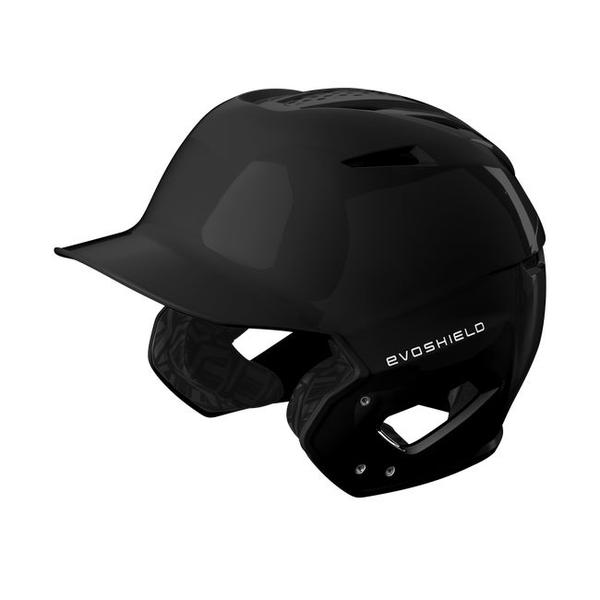
The XVT 2.0 uses compression-molded interior padding in a low-profile shell for plate protection and fit. Fully wrapped ear pads and built-in vents help with comfort all game.
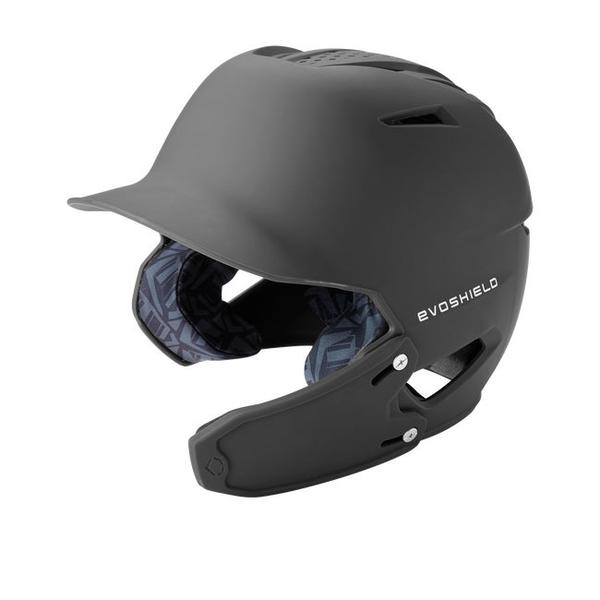
This helmet includes a face shield setup that can be configured for either right- or left-handed batting stance. It keeps the XVT 2.0’s core padding and shell structure for consistent head protection at the plate.
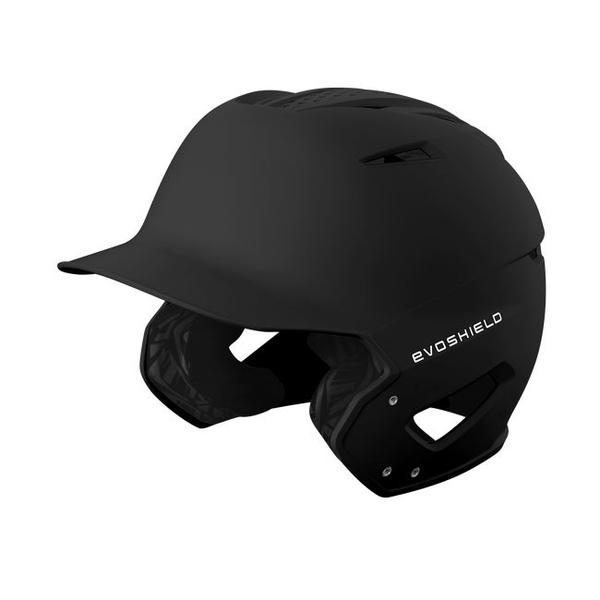
The XVT 2.0 is designed with a low-profile shell, compression-molded pads, and full ear coverage. Vent placement helps with airflow so the helmet stays more comfortable in-game.
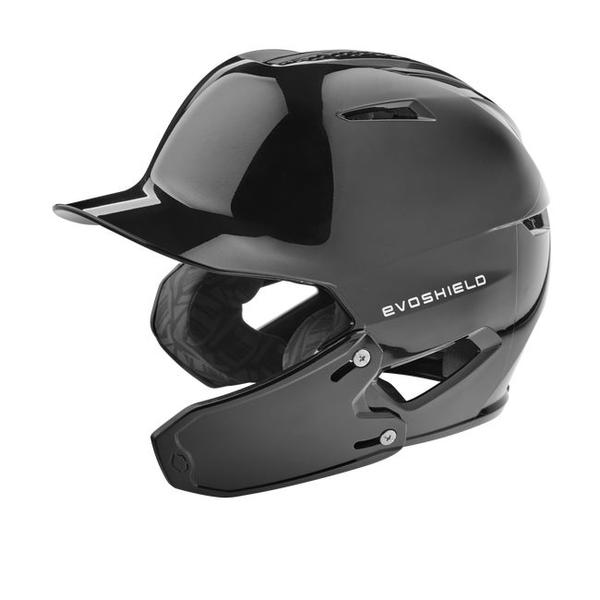
This version adds a bilateral face shield for extra facial coverage. The shield ships on the left ear flap for right-handed hitters and can be moved to the right side for left-handed hitters, while the same compression-molded padding handles impact management.
Types of Batting Helmets
Open-Face
The traditional style used at most levels of play. Open-face helmets have ear flaps on both sides and leave the front of the face completely exposed. They offer the widest field of vision and are the most common choice at the high school level and above. Most leagues that don't mandate additional face protection default to this style.
Helmet with Jaw Flap
A jaw flap extends downward from the ear piece to cover the jaw, cheek, and mouth area on the side facing the pitcher. Flaps are available for both right- and left-handed hitters. They've become increasingly popular at the MLB level because they add meaningful protection without restricting vision the way a cage does. Most flaps are sold separately and clip onto compatible helmets.
Helmet with Face Mask
These helmets come with a full cage attached, similar to a catcher's mask, and provide the most protection of any batting helmet style. They're most common at the youth and recreational level where leagues often require them. Some leagues prohibit face masks at older age groups, so check the rulebook before buying.
What to Look For
Fit
A batting helmet should fit snugly without any side-to-side movement when you shake your head. To find your size, wrap a soft measuring tape around your head just above the ears and eyebrows. That circumference measurement maps directly to helmet size on most manufacturer sizing charts. When in doubt, size up. A slightly loose fit can be corrected with foam padding inserts, but a helmet that's too tight is uncomfortable from the first pitch.
Safety Certification
Look for helmets that meet NOCSAE (National Operating Committee on Standards for Athletic Equipment) standards. NOCSAE certification means the helmet has been tested for impact resistance at the speed ranges typical of pitched balls. Many leagues require NOCSAE-certified helmets at every level, so this is a baseline you shouldn't skip regardless of price point.
Ear Flap Coverage
Most batting helmets designed for youth players come with double ear flaps to protect both sides of the head. Single-flap helmets, which cover only the side facing the pitcher, are the standard for older players. If a hitter bats from both sides of the plate, a double-flap helmet is the practical choice.
Shell Material
ABS plastic is the most common shell material and handles everyday abuse well at a lower price point. High-end helmets use polycarbonate shells, which are lighter and can absorb impacts more effectively. For youth players who go through gear quickly, ABS is a reasonable choice. For competitive players looking for a long-term piece of equipment, polycarbonate is worth the extra cost.
You May Also Like
Join the club!
Sign up for our newsletter for more articles like this and features updates from our team!
Zach Kerr
Author
Zach is a former college pitcher & Founder of Baseball Near You.