Best Batting Gloves for 2026
Written by Zach Kerr
Published May 28th, 2024 · Updated March 1st, 2026


Best Batting Gloves for 2026
Best Padded Batting Gloves
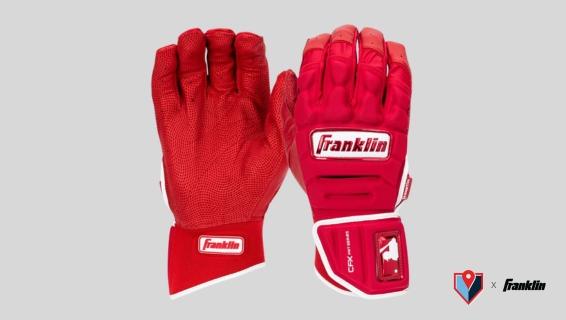
Franklin's CFX Pro PRT Heavy Duty Protective Batting Gloves are built with a padded outer-shell layer to protect hitters' hands. The lightweight shell provides flexibility without bulk, and the premium leather construction ensures long-lasting durability. An extended ergonomic cuff offers additional wrist stability and support, making these gloves ideal for confidence in every at-bat.
Pros
- Padded, but still lightweight
- Feels just like the CFX Pro
Cons
- Take some time to break in
Most Durable (Heavy Duty) Batting Gloves
Best for Wrist Support
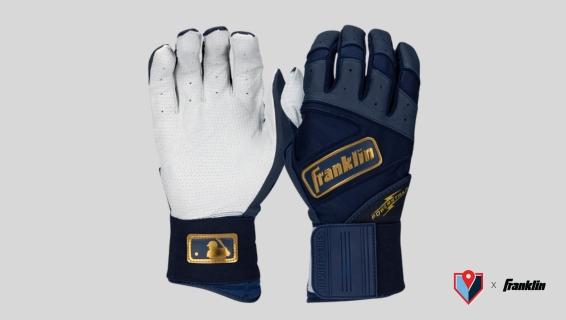
Franklin's Infinite Powerstrap Baseball Batting Gloves are constructed with extra-thick Pittard's Pro Trainer Cabretta leather for maximum durability. Designed for double the lifespan of standard gloves, they feature micro-perforations for breathability and a 360° Cage Cuff for enhanced wrist stability. Developed with input from MLB pros, these gloves are built to withstand rigorous training and gameplay.
Pros
- Good wrist support with double thickness wrist strap
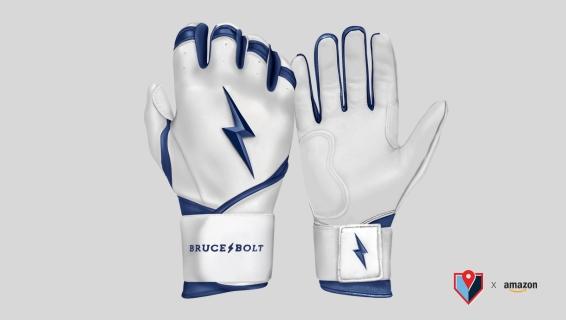
Bruce Bolt Chrome Series Long Cuff Batting Gloves
$110.00
BRUCE BOLT's Chrome Series Long Cuff Batting Gloves are crafted from 0.9mm Cabretta leather, known for its superior feel and durability. The double-reinforced palm ensures the gloves stay soft without becoming hard or crunchy.
The proprietary double inverse cuff provides excellent wrist support and power, protecting against injuries while enhancing your swing. Designed to fit the natural contours of the hand, these gloves offer unmatched comfort and longevity.
Pros
- Double-reinforced palm
- High-quality Cabretta leather
Cons
- Costly
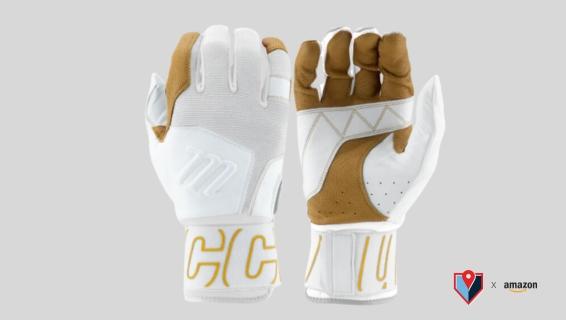
Marucci's Blacksmith Full WRAP Batting Glove V2 is an extremely durable training glove, inspired by heavy work gloves. It features a digitally embossed goatskin palm with reinforced padding for increased friction resistance. The fully wrapping elastic wristband enhances wrist strength and mobility, while the high-strength stretch knit fabric back ensures comfort and breathability.
Pros
- Durable - inspired by work gloves
Cons
- Comes in fewer color options than other comparable models
Best Batting Gloves to Absorb Shock & Reduce Sting
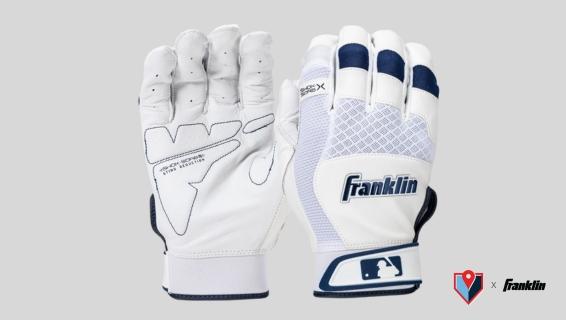
Franklin's Shok-Sorb X Batting Gloves feature unique palm padding that absorbs impact and eliminates sting. Made from high-performance genuine leather, these gloves offer superior grip and bat control in all weather conditions. Tri-Curve technology follows the natural anatomy of the hand, reducing bunching and improving fit. Mesh vented handbacks ensure improved airflow, keeping hands cool and dry.
Pros
- Very good batting gloves for the price
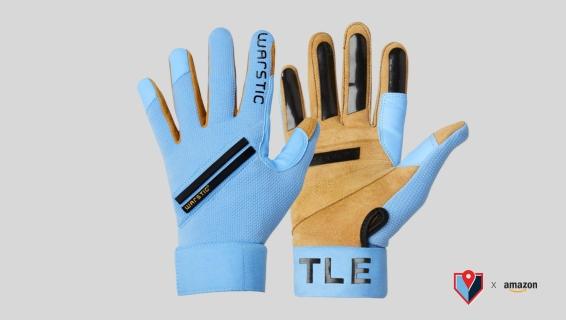
Warstic WORKMAN3 Batting Gloves offer flexibility and breathability with a lightweight polyester front and reinforced goatskin leather on the palm and thumbs. The sticky palm and fingers provide a reliable grip in all weather conditions, and the long, stretch wristband ensures secure wrist support. These gloves also feature a protective rubber Warstic logo on the back for added safety.
Pros
- Durable
- Good grip
- Compression wrist strap for support

Rawlings Workhorse Baseball Batting Gloves are designed with a compression fit wrist strap for a customized fit and additional wrist support. The dynamic fit system ensures comfort and flexibility, while the Oiltac leather palm provides unmatched durability and grip. Dual-layered reinforced palms reduce abrasion, prolonging the glove's lifespan. Available in various sizes.
Pros
- Comfortable
- Compression wrist strap for better wrist support
- Durability
Cons
- Not many color options
Best Thin Batting Gloves
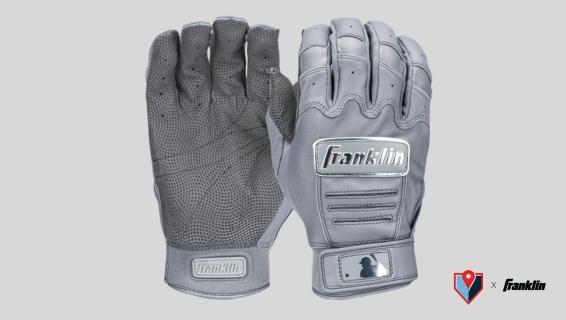
The CFX Pro Batting Glove by Franklin is the official batting glove of MLB, used by professional players. Constructed from premium quality leather, these gloves are designed for peak performance and durability. The natural fit technology ensures comfort and a responsive feel, while Quad-Flex technology provides a perfect fit around the bat handle.
Pros
- Most popular batting gloves used by MLB players for over 20 years
- Many color options available
Cons
- Durability concerns
The Complete Guide to Baseball Batting Gloves
Do You Need Batting Gloves?
Let's start with the honest question: Are batting gloves required? No. Some MLB players hit bare-handed. They're never required.
But here's what batting gloves do:
- Better grip: Sweat, humidity, and cold weather make bare hands slippery. Gloves maintain consistent tack on the bat.
- Reduce vibration: On mishits (especially with aluminum bats), gloves absorb some of the sting.
- Prevent blisters: Repeated swings create friction. Gloves protect the hands.
- Consistent feel: The bat handle feels the same regardless of weather or sweaty palms.
Who should wear them: Pretty much everyone who takes more than a few swings. The grip and blister protection alone make them worth it.
Who might skip them: Some players prefer the direct bat-to-hand feel. That's fine, but they're typically the exception.
Leather vs. Synthetic
This is where the real differences lie. The palm material determines grip, durability, and price.
Leather Batting Gloves
What it is: Real animal hide, usually from sheep (called "sheepskin" or "Cabretta leather").
Pros:
- Superior grip, especially in humid or wet conditions
- Molds to your hand over time for a custom fit
- Better "feel" and bat control
- More durable when properly maintained
Cons:
- Requires break-in period
- Needs maintenance (conditioning) to prevent cracking
- More expensive ($35-150)
- Can't just throw them in the wash
Types of leather:
- Cabretta - Sheepskin from hair sheep (not wool sheep). Soft, thin, excellent grip. Most common "premium" leather. High
- Sheepskin - General term for sheep leather. Quality varies. Medium-High
- Goatskin - Thicker, more durable than sheepskin. Slightly stiffer. High
- Pittards - A specific tannery brand known for quality. Often seen on Franklin gloves. High
The honest take: If you see "Cabretta leather" on the label, you're getting quality leather. It's become the industry standard for premium gloves. But "premium leather" without specifying the type could mean anything.
Synthetic Batting Gloves
What it is: Man-made materials like polyurethane, microfiber, or synthetic leather blends.
Pros:
- Ready to use immediately (no break-in)
- More affordable ($15-40)
- Easier to clean
- Lighter weight
- Some are more breathable
Cons:
- Less durable (expect to replace more often)
- Grip degrades faster, especially in wet/humid conditions
- Doesn't mold to hand like leather
- Less "feel" on the bat
The honest take: Synthetic gloves are fine for youth players, recreational leagues, and anyone who doesn't want to fuss with maintenance. They'll do the job. But if you're playing multiple times per week or care about performance, leather is worth the upgrade.
Hybrid Gloves
Many gloves combine leather palms with synthetic backs for breathability. This is often the best of both worlds—you get the grip and feel of leather where it matters (palm), with lighter, more breathable material on top.
Does Size Matter
A batting glove should feel like a second skin, snug from the start, with no excess material bunching up. Too loose and you lose grip; too tight and you restrict your swing.
How to Measure
- Place your hand palm-up on a flat surface, fingers straight and together
- Measure from the base of your palm (where it meets your wrist) to the tip of your middle finger
- Match to the size chart below
Fit Tips
- Between sizes? Size down for leather (it stretches). Size up for synthetic (it doesn't).
- Fingers should fill the stalls with minimal extra space at the tips
- The palm should feel secure without squeezing
- Swing a bat — no bunching, pinching, or restriction
- Leather gloves will stretch slightly during break-in, so start snug
Common Fit Mistakes
- Buying too large: Loose gloves slip, cause blisters, and reduce bat control
- Not accounting for growth: For youth players, don't size up more than one size—too loose defeats the purpose
- Ignoring brand differences: Some brands run small (Nike), others wider (Under Armour). Check reviews.
Cuff Type: Short vs. Long
Most people don't realize there are two cuff lengths.
Short Cuff (Standard)
- Ends at the wrist, just below the palm
- Most common style
- Full range of wrist motion
- Less material to deal with
Long Cuff (Extended)
- Extends 2-3 inches down the wrist/forearm
- More wrist support
- Some players feel more "locked in"
- Popular with players who tape their wrists
- Slightly more expensive
Which to choose: This is pure preference. Most players use short cuff. Long cuff has become trendy in travel ball and high school but doesn't improve performance—just feels different.
Price Tiers
Entry Level: $15-25
What you get: Basic synthetic materials, minimal padding, simple designs. Often sold in multi-packs.
Best for: Beginners, young youth players (T-ball through 8U), backup pairs, players who lose gloves constantly.
The trade-off: You'll likely replace them mid-season. Grip and durability are limited.
Mid-Range: $25-50
What you get: Better synthetic or entry-level leather materials, improved construction, brand names.
Best for: Most youth players, recreational adults, travel ball players who want quality without premium pricing.
The honest take: This is the sweet spot for most players. The Franklin CFX Pro, in particular, has been a go-to for years—leather palm, great grip, reasonable price. You're not sacrificing much compared to premium options.
Premium: $50-80
What you get: Full Cabretta leather or premium sheepskin, better construction, more color options, signature player models.
Best for: Serious travel ball, high school players, anyone who wants top-tier feel and durability.
What you're paying for: Better leather quality, improved stitching, slightly better durability. The difference from mid-range is noticeable but not dramatic.
Elite/Boutique: $75-150
What you get: Handcrafted construction, thickest/best leather, premium branding, often direct-to-consumer.
Best for: Players who want the absolute best, high school/college players, style-conscious hitters.
The honest take: Bruce Bolt has become the "cool" brand in youth baseball. You'll see them everywhere at travel ball tournaments. They are genuinely well-made with thick Cabretta leather. But are they 3-4x better than a $35 Franklin CFX Pro? No. You're paying for craftsmanship, exclusivity, and brand cachet. If budget matters, there are better values.
Features to Consider
Palm Padding
Some gloves have extra padding in the palm to reduce sting on mishits. Nice for cold weather or players with sensitive hands, but too much padding can reduce bat feel.
Ventilation/Breathability
Mesh or perforated panels on the back help with airflow. More important in hot, humid climates. Less critical if you're playing spring baseball in the Midwest.
Wrist Closure
- Velcro strap: Most common, adjustable, easy on/off
- Elastic: Stretches to fit, less adjustable
- Hybrid: Combination of both
Reinforced Zones
Some gloves have extra material between the thumb and index finger (high-wear area) or double-stitched seams. Adds durability where gloves typically fail first.
Care and Maintenance
How you treat your batting gloves determines how long they last.
After Every Use
- Remove from your bag: Don't leave them crumpled inside
- Air them out: Lay flat or hang in a ventilated space
- Wipe off visible dirt with a dry cloth
Regular Cleaning
For synthetic gloves:
- Wipe with a damp cloth and mild soap
- Air dry completely before next use
- Can handle more moisture than leather
For leather gloves:
- Wipe with damp cloth (don't soak)
- Use mild soap sparingly
- Apply leather conditioner/balm monthly or when leather feels dry
- Air dry only — never use heat or direct sunlight
What NOT to Do
- Don't machine wash. Damages materials and destroys shape.
- Don't use a dryer. Heat ruins leather and can melt synthetics.
- Don't leave in your bag. Moisture builds up, causes odor and mold.
- Don't ignore maintenance. Leather cracks when it dries out.
- Don't use harsh chemicals. No bleach, no heavy detergents.
Dealing with Odor
Batting gloves get funky. Here's how to handle it:
- Baking soda: Sprinkle inside, let sit overnight, shake out
- Vinegar soak (synthetics only): 10-15 min in warm water + white vinegar
- OxiClean soak: 1/2 cup in 2L water, soak inside-out for 20-40 min
- Air and sunlight: Natural deodorizer, but don't overdo sun exposure on leather
How Many Pairs Do You Need?
Minimum: 1 pair for games
Recommended: 2 pairs - one for games, one for practice/BP
For serious players: Rotate 2-3 pairs to extend lifespan and always have a dry pair
Why rotate: Sweat breaks down materials. Letting gloves fully dry between uses dramatically extends their life. Tournament weekends with multiple games are hard on a single pair.
When to Replace
- Grip is gone: Palm feels slick even when dry
- Material is cracked or peeling: Especially on leather gloves
- Stitching is coming undone: Especially in high-wear areas
- Holes or tears: Obvious, but some players push it too long
- They don't fit: Kids outgrow them
Typical lifespan:
- Entry synthetic: One season (or less with heavy use)
- Mid-range: One full season with proper care
- Premium leather: 1-2 seasons with rotation and maintenance
Join the club!
Sign up for our newsletter for more articles like this and features updates from our team!
Zach Kerr
Author
Zach is a former college pitcher & Founder of Baseball Near You.