Best BBCOR Bats For 2026
Written by Zach Kerr
Published September 25th, 2024 · Updated March 4th, 2026

We've been testing BBCOR bats for over a decade, swinging everything from $150 alloys to $500 composites. Every year, manufacturers promise revolutionary technology and game-changing performance. Most of it is marketing.
The truth is simpler: the "best" BBCOR bat depends entirely on who's swinging it. A bat that's perfect for a power hitter with quick hands might be completely wrong for a contact hitter still developing his swing. Price doesn't guarantee performance, and last year's model might outperform this year's hype.
We've cut through the noise to find the bats that actually deliver. Below you'll find our top picks for 2026, organized by hitting style, plus everything you need to know to make the right choice for your game.
Best BBCOR Bats For 2026
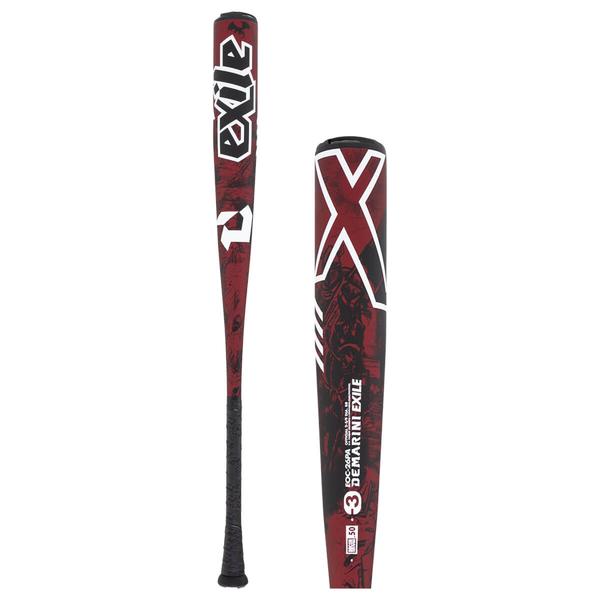
A one-piece alloy bat with a balanced swing weight, built around the X14 Alloy barrel which features a large barrel profile and an Integrated Handle Taper formed beneath the grip for improved hand positioning. The Tracer End Cap is constructed from lightweight composite materials to help maintain swing speed, and the Damplify Knob reduces vibration on mishits. BBCOR .50 certified for high school and college play, backed by a 12-month warranty.
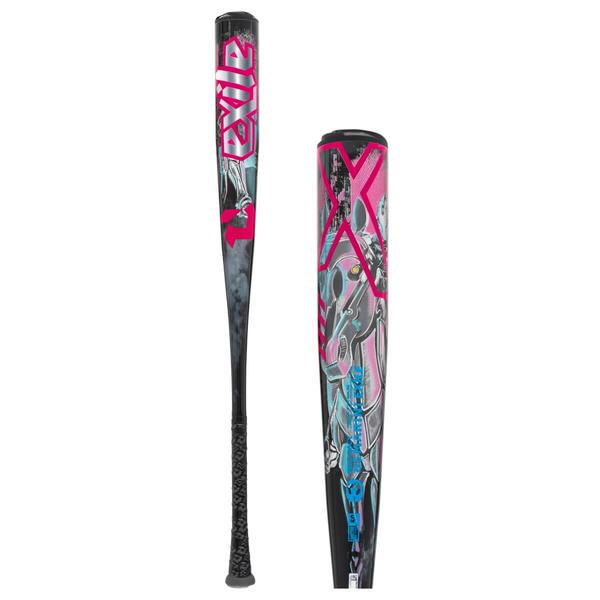
A one-piece alloy bat with a balanced swing weight and a 2 5/8-inch barrel, featuring the X14 Alloy barrel with an Integrated Handle Taper and Damplify knob to reduce vibration and sting. The Tracer End Cap is made from lightweight composite materials to support swing speed. BBCOR .50 certified for high school, college, and Intermediate and Junior League play, with a 12-month warranty.
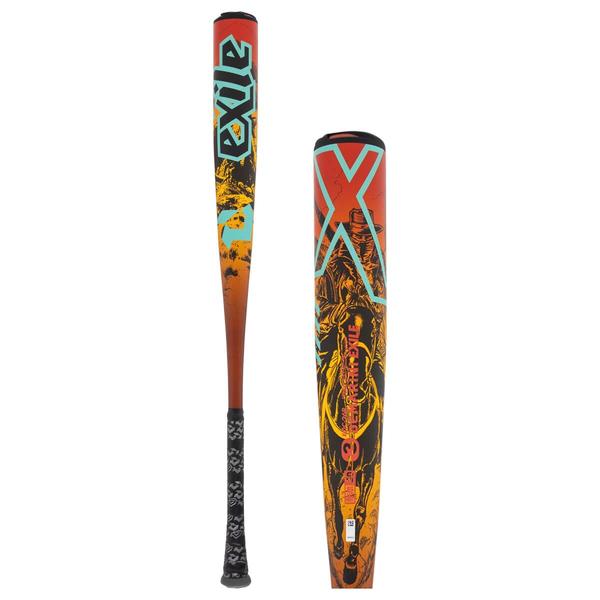
A one-piece alloy bat with a balanced swing weight, featuring the X14 Alloy barrel with an Integrated Handle Taper and Damplify knob for vibration reduction. The Tracer End Cap uses lightweight composite materials to help maintain swing speed. BBCOR .50 certified for high school, college, and Intermediate and Junior League play, backed by a 12-month warranty.
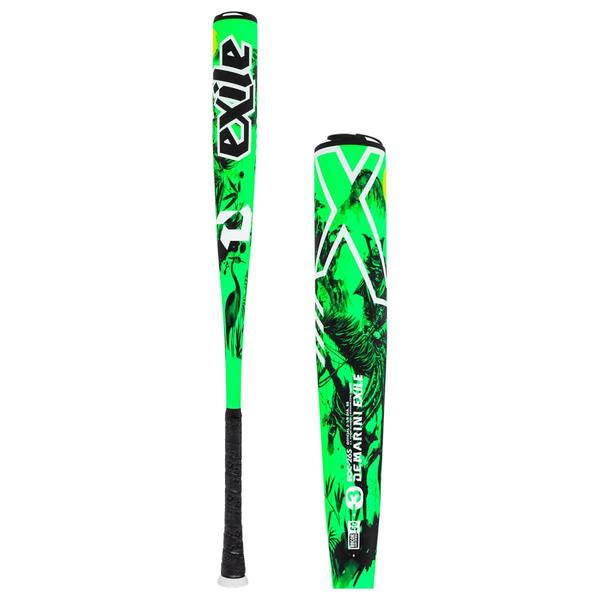
A one-piece alloy bat with a balanced swing weight and a 2 5/8-inch barrel, built around the X14 Alloy barrel with an Integrated Handle Taper and Damplify knob for vibration reduction. The Tracer End Cap is constructed from lightweight composite material. BBCOR .50 certified for high school, college, and Intermediate and Junior League play, backed by a 12-month warranty.
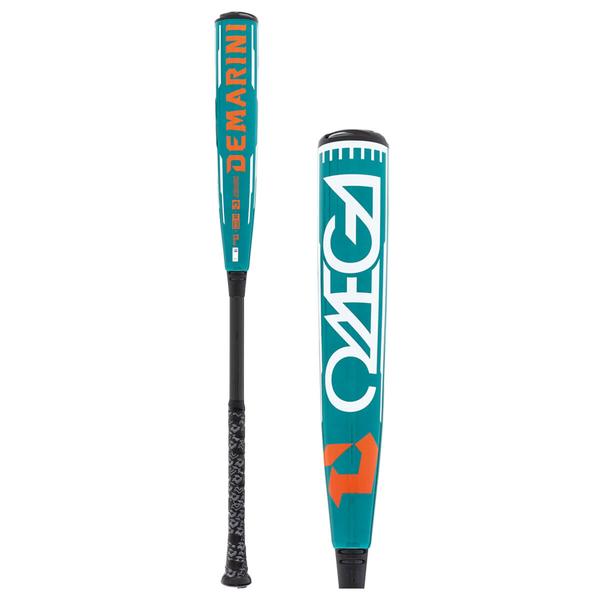
A two-piece hybrid bat with a Half + Half construction that pairs an Omega X14 Alloy barrel with a 1275 Composite handle via an upgraded Direct Connection Point. Reverb Technology provides audio feedback on contact, the Tracer End Cap is lightweight composite to support swing speed, and the Fortified Metal Compound Knob blends alloy and composite for durability and leverage. The swing weight is balanced, suited for high school and college players.
Pros
- Great pop
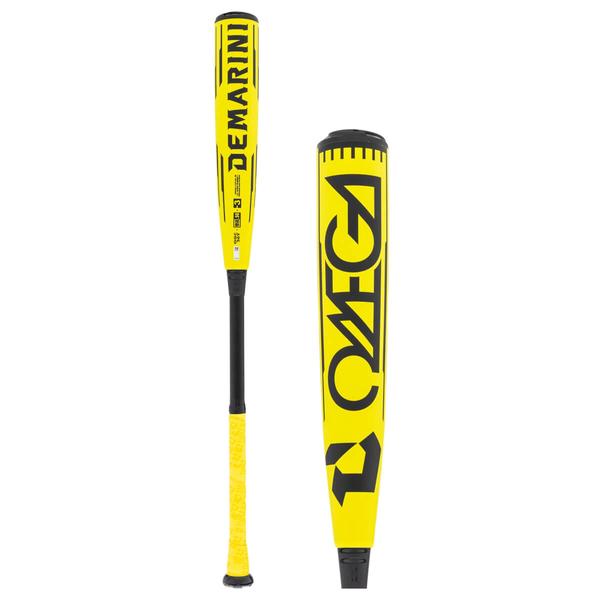
A two-piece hybrid bat featuring Half + Half construction that combines an Omega X14 Alloy barrel with a 1275 Composite handle, connected by an upgraded Direct Connection Point for improved durability and a stiff feel. The Tracer End Cap uses lightweight composite materials to support swing speed, while the Fortified Metal Compound Knob is built from a blend of alloy and composite for added durability and leverage. The bat has a balanced swing weight and is BBCOR .50 certified.
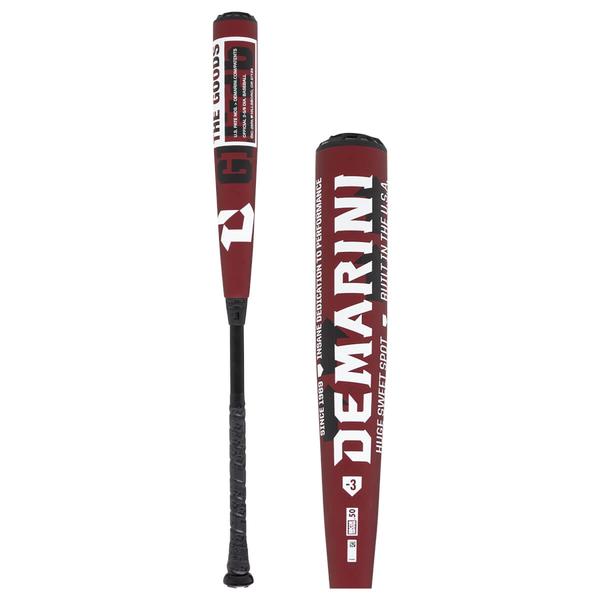
A one-piece alloy bat with an end-loaded swing weight, built around the X14 Alloy barrel with a redesigned Direct Connection Point between barrel and handle for improved energy transfer. The 1375 Composite handle is DeMarini's stiffest handle material, designed to transfer energy efficiently, and the Fortified Metal Compound Knob uses alloy and composite materials for durability and leverage. The Tremor End Cap reinforces barrel integrity, and the bat is BBCOR .50 certified.
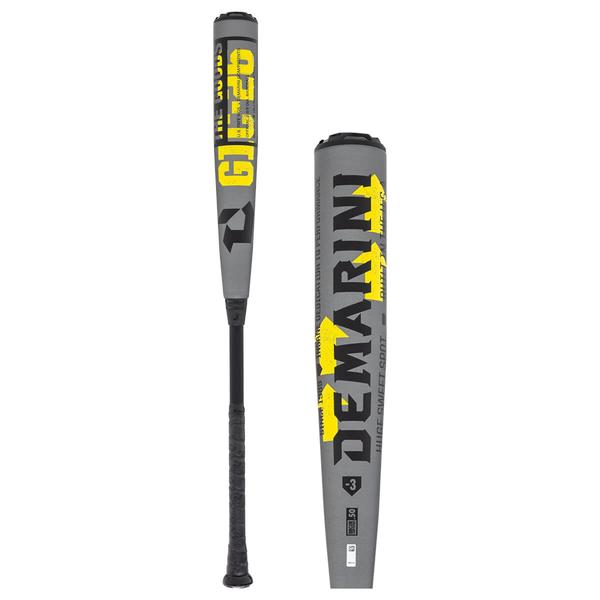
A two-piece hybrid bat with an end-loaded swing weight, featuring the X14 Alloy barrel connected to DeMarini's stiffest 1375 Composite handle via an upgraded Direct Connection Point that provides a stiff feel with reduced vibration. The Fortified Metal Compound Knob blends alloy and composite materials for durability, and the Tremor End Cap reinforces the barrel for long-term performance. BBCOR .50 certified for high school and college play.
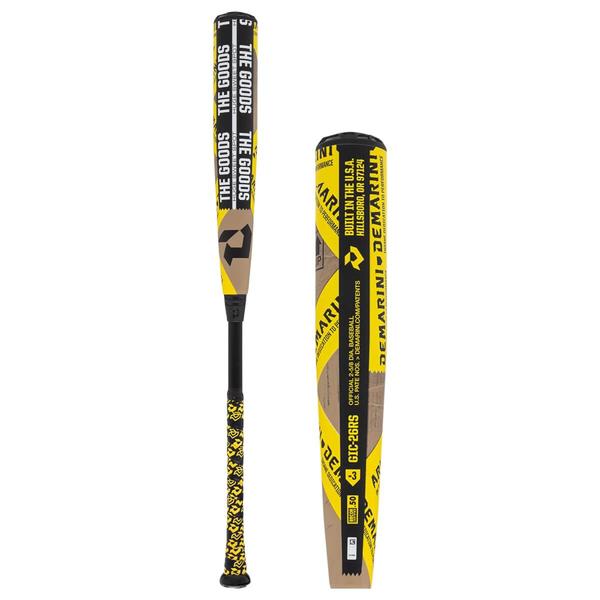
A two-piece hybrid bat with an end-loaded swing weight, featuring the X14 Alloy barrel paired with a 1375 Composite handle via an upgraded Direct Connection Point to reduce vibration while maintaining a stiff feel. The Fortified Metal Compound Knob uses an alloy-composite blend for durability, and the Tremor End Cap is engineered to preserve barrel performance over time. BBCOR .50 certified for high school and college play.
Best For Power Hitters
The heaviest-swinging hybrid in DeMarini's lineup. End-loaded feel with a massive X14 alloy barrel and stiff composite handle built for hitters who can generate bat speed and want maximum pop. If you're strong enough to handle the weight, this bat rewards you.
Best For Contact Hitters
One-piece alloy with a balanced swing weight that lets you get the barrel through the zone quickly. The Tuned Mass Damper handles vibration without sacrificing that connected feel contact hitters want. Game-ready immediately, no break-in needed.
Best Budget Options
At $250, the Clout delivers serious value. One-piece alloy construction means it's durable, performs in cold weather, and ready to swing out of the wrapper. A smart choice for players who want reliability without the premium price tag.
Best Premium Bat
Two-piece composite with one of the largest sweet spots we've tested. Balanced swing weight, excellent vibration dampening, and that smooth composite feel once broken in. At $500, it's for serious players who want top-tier performance and can handle the break-in period.
Best All-Around
The hybrid construction gives you the best of both worlds: AZR alloy barrel for durability and immediate performance, composite handle for reduced vibration. Slightly end-loaded feel works for most swing types. A versatile bat that doesn't force you to choose between power and control.
What Makes a BBCOR Bat the "Best"
Here's what nobody tells you: there is no single best BBCOR bat.
Every bat on this list is BBCOR-certified, meaning they all perform within the same regulated range. The differences come down to feel, durability, swing weight, and how those factors match your swing.
A $500 composite bat with a massive sweet spot sounds great until you realize it might crack in cold weather, requires 200 swings to break in, and has an end-loaded feel that slows down your bat speed.
Meanwhile, a $200 alloy bat might be exactly what you need: game-ready immediately, durable for cage work, and balanced enough to let you get around on fastballs.
What actually matters when choosing:
- Your hitting style: Power hitters and contact hitters need different swing weights
- Your budget: Diminishing returns kick in hard above $350
- Your climate: Composite bats and cold weather don't mix
- Your development stage: Forgiving bats help developing hitters; stiffer bats reward advanced mechanics
We've organized our picks into categories so you can find what fits your game, not just what has the biggest marketing budget.
Our Top Picks From 2025
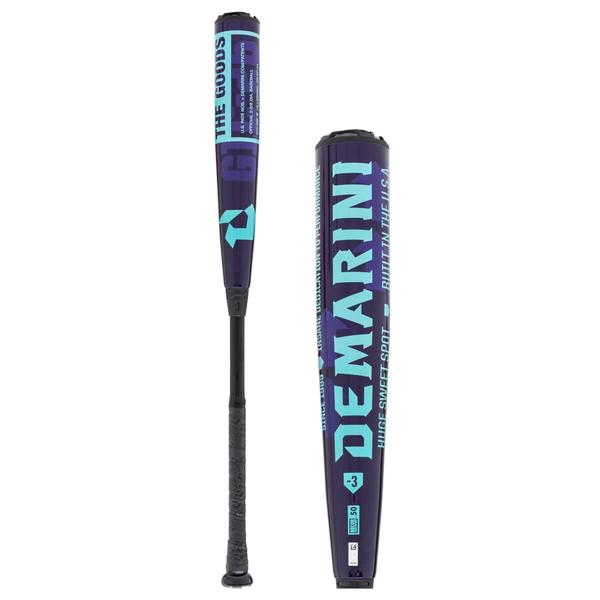
A two-piece Half + Half construction bat pairing an X14 Alloy barrel with a 1375 Composite handle connected by a redesigned Direct Connection Point that provides a stiff feel. The Fortified Metal Compound Knob blends alloy and composite for durability and leverage, and the Tremor End Cap uses reinforced materials to preserve barrel integrity. This end-loaded bat is BBCOR .50 certified for high school, college, and select Little League divisions, backed by a 12-month warranty.
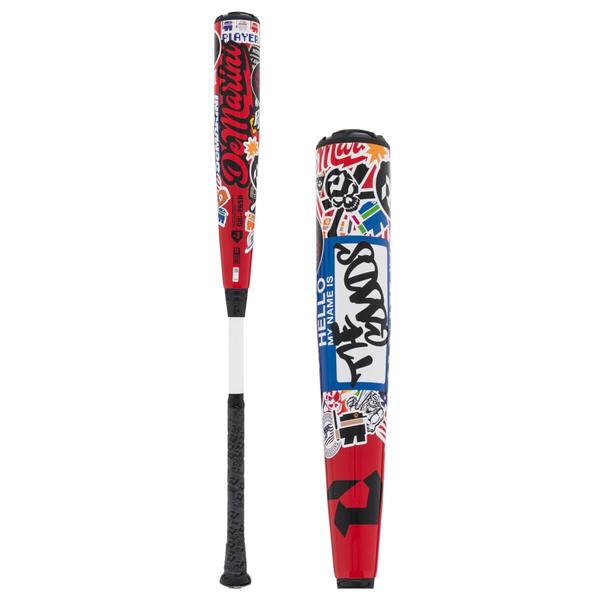
A two-piece hybrid bat with an end-loaded swing weight, featuring the X14 Alloy barrel and 1375 Composite handle connected by an upgraded Direct Connection Point that provides a stiff feel with reduced vibration. The Fortified Metal Compound Knob is constructed from an alloy-composite blend for durability, and the Tremor End Cap supports long-term barrel performance. BBCOR .50 certified for high school and college play.
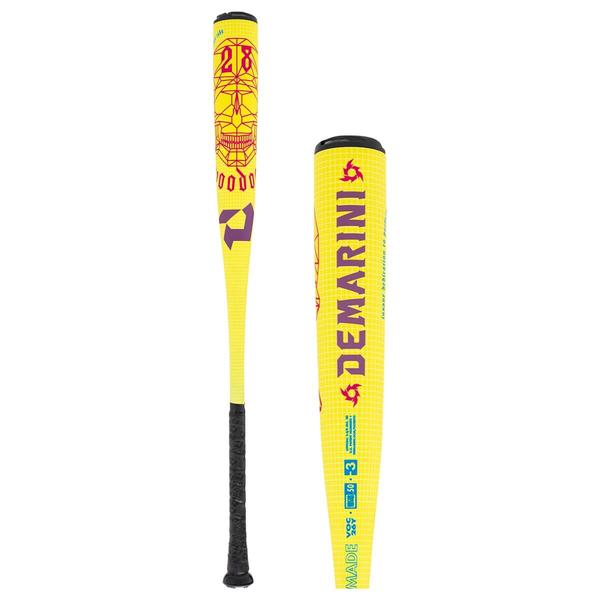
A one-piece alloy bat with a balanced swing weight, featuring the X14 Alloy barrel with a large hitting surface and the Tracer End Cap made from lightweight composite materials for improved swing speed. The Fortified Metal Compound Knob uses an alloy-composite blend for durability, and the Integrated Handle Taper improves hand positioning under the grip. BBCOR .50 certified for high school and college play.
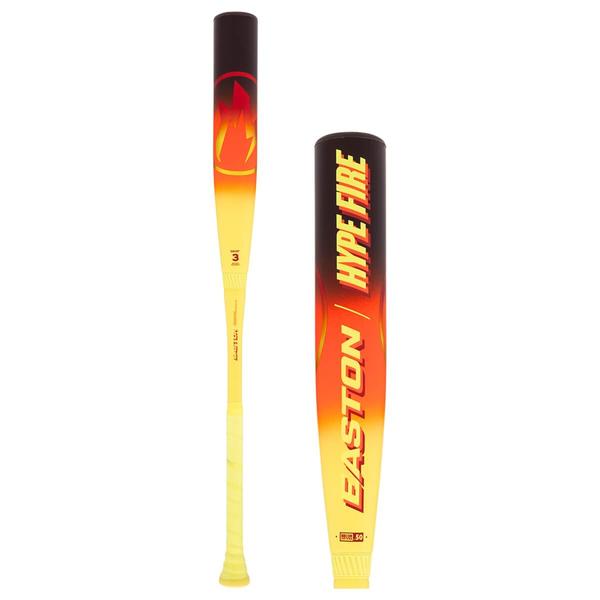
A two-piece all-composite bat with a balanced swing weight, built with a ThermoComposite barrel and joined to the handle via the ConneXion Max joint which eliminates vibration and supports energy transfer. The Opti-Flex handle is tuned for barrel control, and the Gen2 Intuity Soft Knob reduces vibration while adding leverage. BBCOR .50 certified for high school, college, and select Little League divisions, backed by a 12-month warranty.
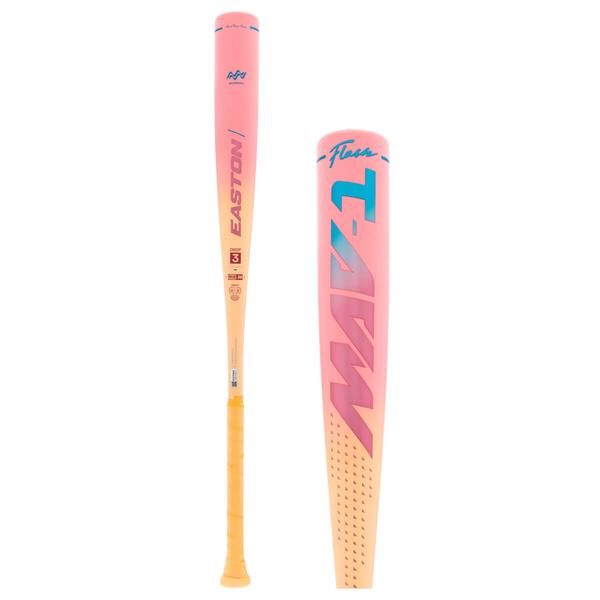
A one-piece alloy bat with a balanced swing weight, built from Flashpoint Alloy with WaveWall Technology that varies wall thickness across the barrel to expand the performance zone. The Gen2 IN2UITY Feel Soft Knob features an asymmetric contour for grip comfort, and the Flow-Tack Grip reduces vibration. BBCOR .50 certified for high school, college, and select Little League divisions, backed by a 12-month warranty.
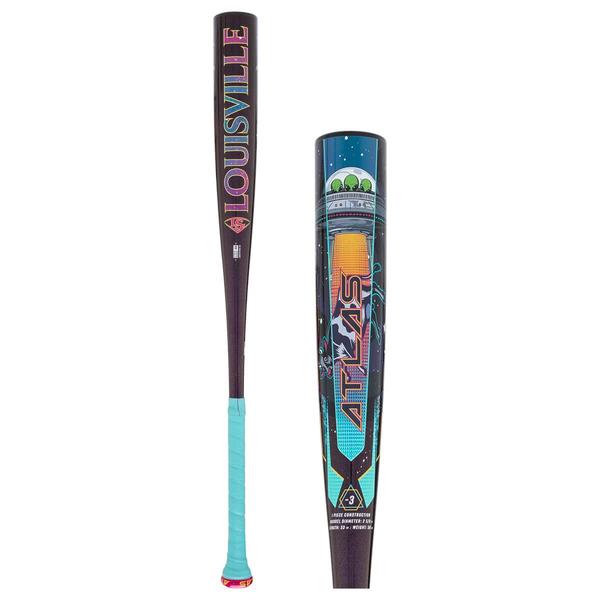
A one-piece alloy bat with a balanced swing weight, featuring the EVOKE Alloy barrel engineered using kinetic response software for an optimized sweet spot and lighter swing weight. The SPD-Gen3 Composite End Cap supports barrel performance, while Tuned Mass Damper (TMD) Technology in the handle reduces vibration on mishits. Equipped with an LS Pro Comfort Grip and Pro Design Knob Taper, BBCOR .50 certified for high school, college, and select Little League divisions.
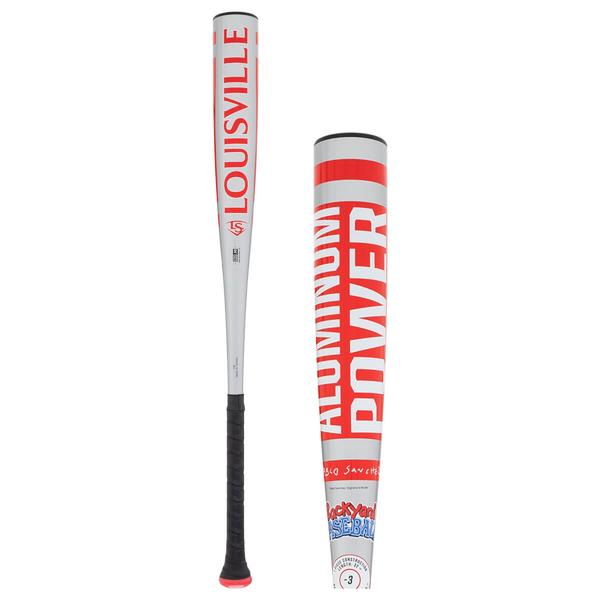
A one-piece alloy bat with a balanced swing weight, featuring the EVOKE Alloy barrel developed using kinetic response software to expand the sweet spot and reduce swing weight. The SPD-Gen3 End Cap maximizes barrel performance, and Tuned Mass Damper (TMD) Technology absorbs vibration on mishits. Paired with an LS Pro Comfort Grip and flared Pro Design Knob Taper, BBCOR .50 certified with a 12-month manufacturer's warranty.
How to Choose the Right BBCOR Bat
If you're playing high school or college baseball, you're required to use a BBCOR-certified bat. That's non-negotiable. The certification ensures all bats perform within a specific range, which levels the playing field and makes the transition to wood bats easier down the road.
But within BBCOR regulations, there's a massive range of options. Prices run from $150 to $500+. Materials vary. Swing weights differ. And the "best" bat for one player might be completely wrong for another.
This section will help you figure out what actually matters, what doesn't, and how to make a smart decision without wasting money.
The Real Decision Framework
Forget the marketing. When choosing a BBCOR bat, you're really making four decisions:
- Material: Composite, alloy, or hybrid?
- Construction: One-piece or two-piece?
- Swing weight: Balanced or end-loaded?
- Size: What length works for your body and swing?
Everything else is noise. Let's break each one down.
Composite vs. Alloy vs. Hybrid
Composite Bats
What they are: Multiple layers of carbon fiber and other materials, woven together and bonded with resin.
The good:
- Larger sweet spot once broken in
- Better vibration dampening (less sting on mishits)
- Can be engineered for specific swing weights
- Generally "hotter" performance after break-in period
The tradeoffs:
- Require 150-300 swings to break in before peak performance
- More expensive ($300-500 range for quality options)
- Can crack in cold weather (below 60°F is risky)
- Less durable over time, especially with heavy use
Best for: Players who play primarily in warm weather, want maximum performance, and can afford to replace a bat if it cracks. Contact hitters often prefer the feel.
Alloy Bats
What they are: Single or blended metal construction, typically aluminum alloys.
The good:
- Game-ready immediately, no break-in needed
- More durable, especially in cold weather
- Less expensive ($150-300 range)
- Consistent performance throughout the bat's life
- Better for batting cages and heavy practice use
The tradeoffs:
- Smaller sweet spot
- More vibration on mishits
- Less "pop" compared to broken-in composite
- Stiffer feel that some players don't like
Best for: Players in cold-weather climates, those on a budget, players who take a lot of BP, and power hitters who like a stiffer feel.
Hybrid Bats
What they are: Typically a composite handle connected to an alloy barrel, combining elements of both.
The good:
- Reduced vibration from composite handle
- Durability of alloy barrel
- Often game-ready with minimal break-in
- Good middle-ground option
The tradeoffs:
- Jack of all trades, master of none
- Price varies widely
- Performance depends heavily on specific model
Best for: Players who want some vibration dampening but don't want to deal with composite barrel limitations.
The Cold Weather Factor
This matters more than most guides tell you. If you play in the Northeast, Midwest, or anywhere that sees early-season games below 60°F, think carefully before buying a full composite bat. Composite barrels can crack in cold temps, and most manufacturer warranties don't cover cold-weather damage.
Your options:
- Buy an alloy bat for cold-weather games and a composite for summer
- Go with a hybrid (alloy barrel, composite handle)
- Stick with alloy if you can't afford two bats
One-Piece vs. Two-Piece Construction
One-Piece Bats
The handle and barrel are a single continuous piece of material.
How it feels: Stiff. Energy transfers directly from your hands through the barrel. You feel everything, including mishits.
Who likes them: Power hitters who consistently barrel the ball. If you're squaring it up, one-piece bats reward you with maximum energy transfer. The stiff feel gives you direct feedback.
Who should avoid them: Players still developing their swing, anyone who mishits frequently, players with hand or wrist issues. The vibration on mishits can be brutal.
Two-Piece Bats
The handle and barrel are separate pieces connected by a joint or collar.
How it feels: More flex, more whip, less vibration. The connection point absorbs some of the sting from mishits.
Who likes them: Contact hitters, players who prioritize bat speed, anyone who wants a more forgiving feel. The flex can help generate bat speed through the zone.
Who should avoid them: Some power hitters feel like they lose energy transfer with two-piece construction. If you want maximum feedback and stiffness, this isn't for you.
The Honest Truth
Most high school players should probably start with a two-piece bat. The forgiveness helps while you're still developing, and the reduced vibration means mishits don't destroy your hands during a long season. You can always move to one-piece later if you want that stiffer feel.
Balanced vs. End-Loaded Swing Weight
This is where a lot of players make mistakes. End-loaded bats look appealing because they promise more power. But swing weight affects your mechanics more than you might think.
Balanced Bats
Weight is distributed evenly throughout the bat.
What this means for your swing:
- Easier to control through the zone
- Faster swing speed
- Better barrel accuracy
- Easier to make adjustments mid-swing
Best for: Contact hitters, players who prioritize average over power, developing players, anyone who struggles with bat speed.
End-Loaded Bats
Extra weight in the barrel, typically 0.5 to 1 ounce more toward the end cap.
What this means for your swing:
- More mass behind the ball at contact (potential for more power)
- Slower swing speed
- Harder to control, especially on inside pitches
- Requires more strength to get the barrel through the zone
Best for: True power hitters with strong hands and quick wrists, players who can handle the extra weight without slowing down, college-level players with developed swings.
The Mistake Most Players Make
Here's what we see constantly: a player buys an end-loaded bat because they want more power, but they don't have the bat speed to get the barrel to the ball consistently. Their average drops, they start cheating on fastballs, and their overall production suffers.
If you're not sure, go balanced. Seriously. Bat speed matters more than bat weight for most hitters. You can always move to end-loaded once you've proven you can handle it.
A good rule of thumb: if you're hitting below .300 or struggling with velocity, end-loaded probably isn't helping you.
Getting the Right Size
Length
BBCOR bats come in 31" to 34" lengths. Here's how to think about it:
The old method: Stand the bat next to you, it should reach your hip. This is fine as a starting point but doesn't account for arm length, swing style, or plate coverage.
The better method: Think about what you're trying to accomplish.
- Longer bats (33-34") give you more plate coverage and leverage, but require more strength to control
- Shorter bats (31-32") are easier to control and get through the zone faster, but sacrifice some reach
Most high school players: 32" or 33" works for the majority. If you're under 5'8" or have a shorter wingspan, lean toward 32". If you're over 6' or have long arms, 33" or 34" might work.
The real test: Swing it. Can you get the barrel to an inside fastball? Can you hold back on off-speed without getting out front? If you're consistently late or pulling off the ball, you might need to go shorter.
Weight (Drop)
All BBCOR bats are drop 3 (-3), meaning the weight in ounces is 3 less than the length in inches. A 33" bat weighs 30 oz.
This is standardized, so you don't have a choice here. But what you can control is where that weight sits (balanced vs. end-loaded) and how that weight feels based on the bat's material and construction.
When Length and Weight Combine Poorly
A 34" end-loaded bat is significantly harder to swing than a 32" balanced bat. If you're on the edge of your strength capacity, don't stack length AND end-load. Pick one or the other.
Budget Reality: What You Actually Get at Each Price Point
$150-200: Entry Level
What you get: Alloy bats, one-piece construction, basic end caps and grips. Functional, durable, game-legal.
Who should buy here: Players on a budget, backups for cold weather, bats for heavy cage work, JV players still developing.
Examples: Rawlings 5150, Louisville Slugger Omaha (previous year models), Easton Alpha.
$250-350: Mid-Range
What you get: Quality alloy or entry-level composite, better vibration dampening, improved sweet spots, two-piece options.
Who should buy here: Most high school varsity players. This is the sweet spot for value. You get meaningful performance improvements without paying for marginal gains.
Examples: Louisville Slugger Omaha, Rawlings Clout, DeMarini Voodoo (non-elite versions).
$400-500+: Premium
What you get: Top-tier composite barrels, advanced vibration dampening, maximum sweet spot size, cutting-edge technology.
Who should buy here: Serious players at the varsity or college level who have developed swings and know exactly what they want. Players who compete at a high level and need every edge.
Examples: Louisville Slugger Meta, DeMarini The Goods, Rawlings Icon, Marucci CAT X Composite.
The Honest Take on Expensive Bats
A $500 bat is not twice as good as a $250 bat. The performance difference is real but marginal. A great hitter with a $200 bat will outperform an average hitter with a $500 bat every single time.
If budget is tight, spend the money on hitting lessons instead. Seriously. A better swing helps more than a better bat.
That said, if you're already a strong hitter and you want the best equipment, premium bats do offer real advantages: larger sweet spots, better feel, more forgiveness on mishits.
Common Mistakes to Avoid
Buying What the Best Use
College players have different needs than high schoolers. They've already developed their swings. They have access to unlimited bats. What works for them might be completely wrong for you.
Chasing Last Year's Model Sales
This can be smart for budget reasons, but be careful. Bat technology does improve year over year. A three-year-old "top of the line" bat might perform worse than a current mid-range option. One year old? Usually fine. Three years? Do your research.
Ignoring Feel
Stats and specs matter, but feel matters too. If a bat doesn't feel right in your hands, you won't swing it with confidence. Try before you buy whenever possible.
Buying Too Heavy
We already covered this, but it's worth repeating: more players buy bats that are too heavy than too light. Bat speed generates power. If your swing slows down because your bat is too heavy, you're hurting yourself.
Skipping the Break-In Period
If you buy a composite bat, you need to break it in properly before games. That means 150-300 swings off a tee or soft toss, rotating the bat slightly between swings. Using an unbroken composite bat in a game means you're not getting the performance you paid for.
Using Composite in Cold Weather
We've said it before, but it bears repeating: composite barrels can crack below 60°F. If you're playing early-season games in cold weather, have an alloy backup or accept the risk.
When to Replace Your Bat
Bats don't last forever. Here's when it's time for a new one:
Visible Damage
Cracks, dents, loose end caps, or rattling sounds mean the bat is done. Don't use a damaged bat. It's dangerous and illegal in most leagues.
Dead Spots
If the bat starts feeling "dead" or balls aren't jumping off like they used to, the barrel may be worn out. Composite bats lose performance over time, especially with heavy use.
Performance Decline
Sometimes there's no visible issue, but you notice your exit velocity dropping or balls not traveling as far. If the problem isn't your swing, it might be the bat.
The Warranty Question
Most manufacturers offer 12-month warranties against defects. Keep your receipt. But know that warranties typically don't cover normal wear, cold-weather damage, or "abuse" (which is subjectively defined). Read the fine print before assuming you're covered.
Final Thoughts
Choosing a BBCOR bat doesn't need to be complicated. Know your budget, understand your swing style, and don't get caught up in marketing hype.
For most high school players, here's a solid default:
- Material: Alloy or hybrid if budget-conscious or in cold weather; composite if budget allows and you play warm
- Construction: Two-piece for forgiveness; one-piece only if you consistently barrel the ball
- Swing weight: Balanced unless you're a proven power hitter with quick hands
- Length: 32" or 33" for most players; test before you commit
The best bat is the one that fits your swing, your budget, and your playing conditions. Don't let anyone tell you that you need a $500 bat to compete. Good mechanics beat good equipment every time.
See also: Best USSSA Bats for 2026 Travel Season & Best Youth Baseball Bats ('26 update)
Join the club!
Sign up for our newsletter for more articles like this and features updates from our team!
Zach Kerr
Author
Zach is a former college pitcher & Founder of Baseball Near You.