Best Baseball Cleats for Pitchers
Written by Zach Kerr
Published April 12th, 2024 · Updated March 1st, 2026


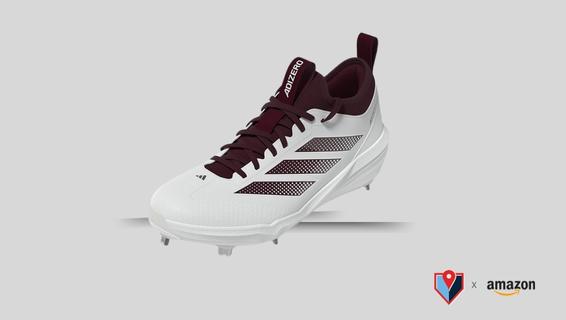
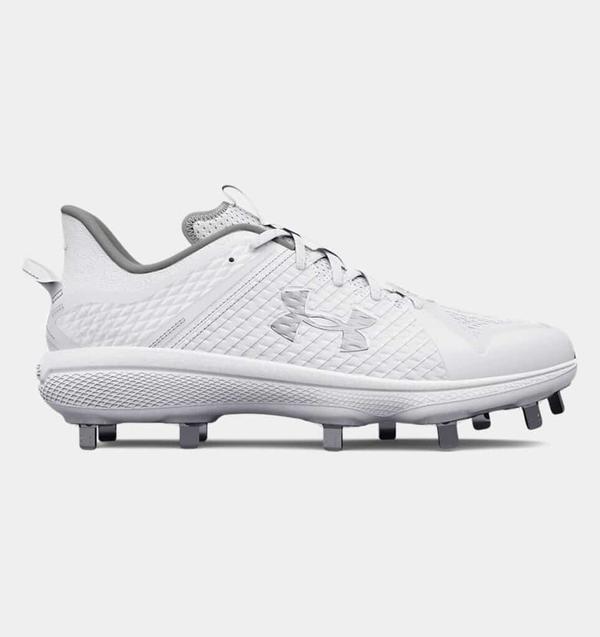
The Adizero Impact 2.0 combines a lightweight build with basic support and cushioning. The knit bootie provides a close fit. Lightstrike cushioning helps reduce weight and adds stability. A synthetic outsole offers traction and durability for directional movement.
Pros
- Quality
- Durability
- Price
Cons
- Poor breathability
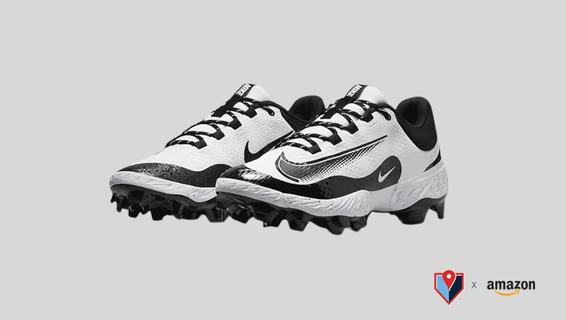
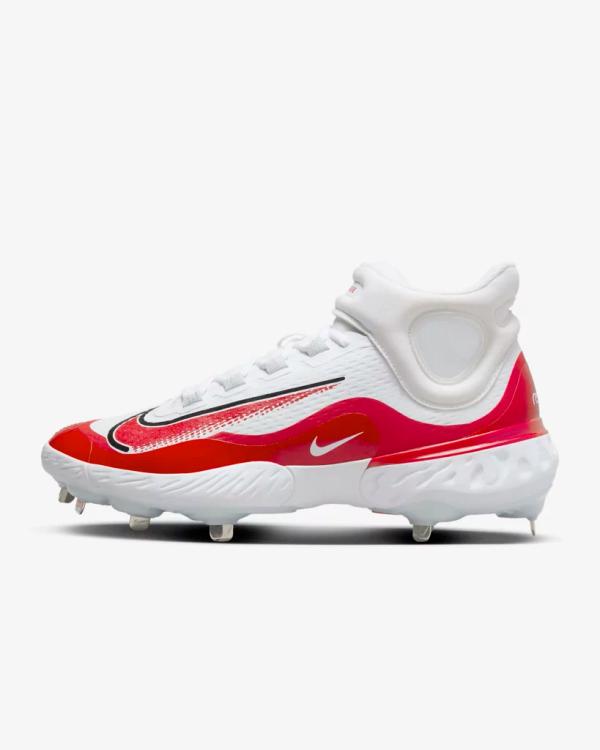
Nike React is a lightweight foam designed to provide cushioning and durability with a consistent feel underfoot.
Pros
- Price
- Many color options
- Lightweight
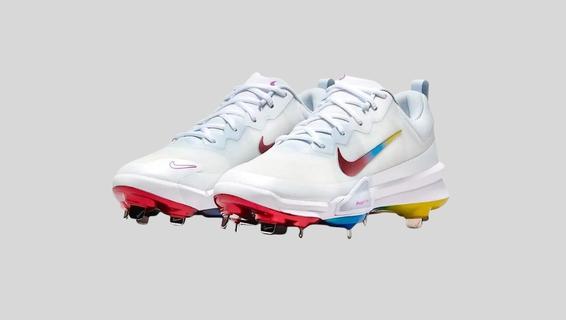
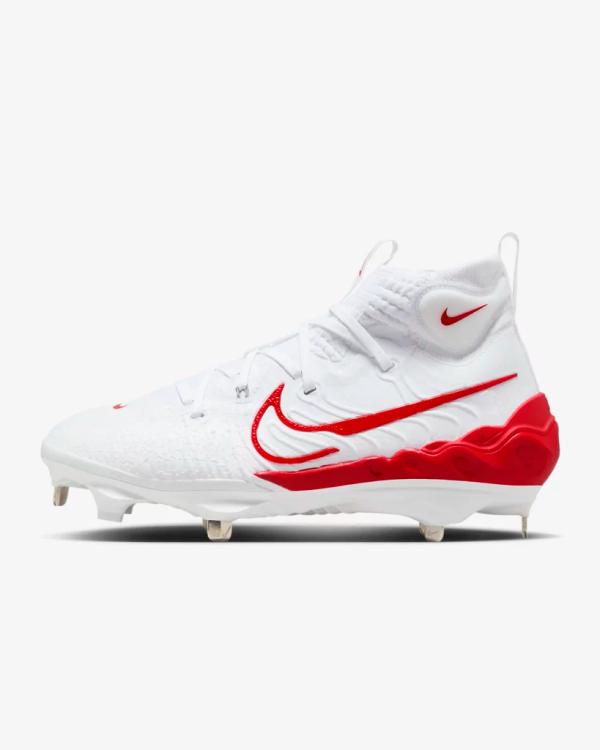
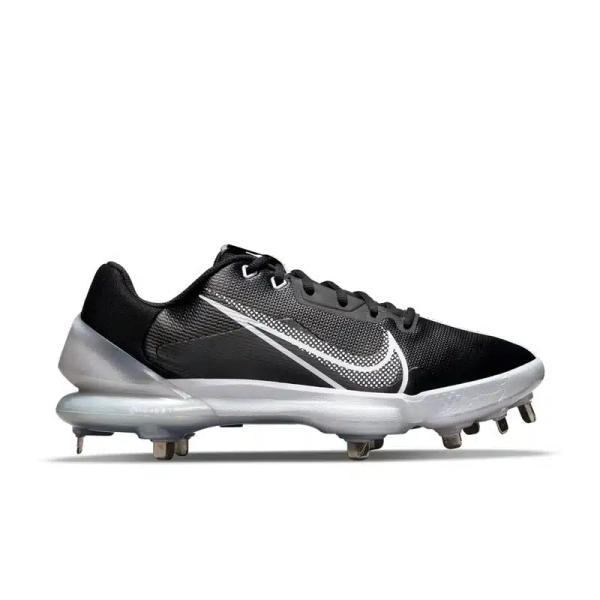
The Nike Force Zoom Trout 9 Elite Pro features responsive Zoom Air cushioning for impact protection. The upper combines synthetic materials and mesh for durability and breathability. Metal cleats provide aggressive traction for high-intensity play.
Pros
- Quality
- Design
- Traction
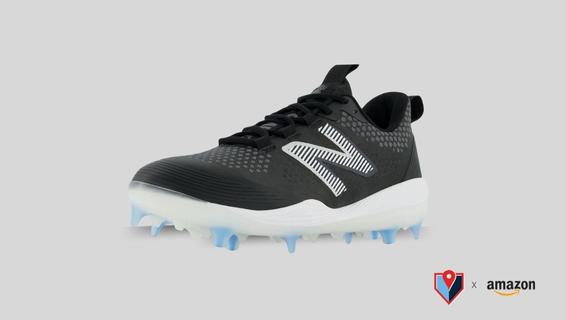
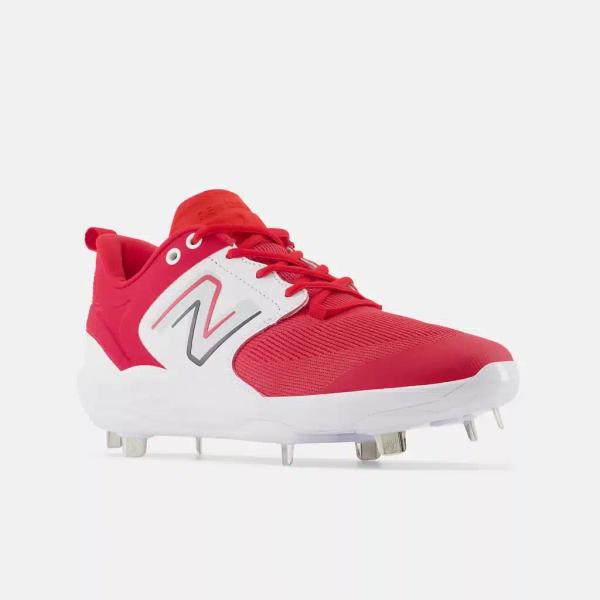
The New Balance FuelCell COMPv3 features a TPU molded plate that provides traction comparable to metal spikes while remaining lightweight. The FuelCell midsole offers a propulsive feel, and a PU midsert delivers comfort with long-lasting rebound. The woven textile upper includes micro-holes for durability and breathability.
Pros
- Lightweight
- Durable
- All sizes available wide
Cons
- Price
- Limited color options
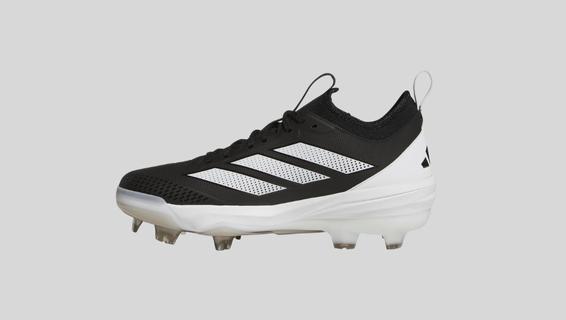
The adidas Adizero Impact 2.0 TPU cleats feature a knit bootie design for a supportive, sock-like fit. The Lightstrike midsole provides cushioning, while the TPU cleat plate keeps the shoe lightweight without sacrificing support.
Pros
- Quality
- Durability
- Price
The importance of selecting the right baseball cleats cannot be overstated. When you’re picking out cleats, here are some things to think about.
Ankle Mobility
Ankle mobility is flexibility in your ankle is what lets you transfer all that power from the ground, through your body, and into your fastball or curveball. Especially for us pitchers, the back leg is our powerhouse. It needs to move freely to give us that “oomph” in our delivery. So, picking cleats that support this kind of motion is crucial. You want something that feels like it’s part of you.
Low Top vs. Mid/High Top
Low tops give you that light, nimble feeling, letting you move like lightning. But, they skimp on ankle support. Mid or high tops, on the other hand, are like having a trusty catcher behind the plate, giving you the support you need but might weigh you down a tad. The reality is the choice comes down to a your specific needs and personal preference.
Plastic vs. Metal Cleats
Unless you play on an artificial turf that prohibits metal cleats, metal spikes are certainly recommended for pitchers. While potentially heavier, the traction is far superior for those seeking every advantage in terms of stability and power on the mound. Some choose plastic (or molded) over metal for injury concerns, but again – this is largely personal preference.
Durability and the Pitcher’s Toe
Let’s talk about something every pitcher knows all too well – the pitcher’s toe. That back foot cleat takes a beating like no other, by dragging across the mound each pitch. Some cleats come with a reinforced toe box area to handle this kind of abuse.
You can also buy the Tuff Toe separately and attach it to any pair of cleats.
Best Cleats for Pitchers in 2024
Related Posts:
Join the club!
Sign up for our newsletter for more articles like this and features updates from our team!
Zach Kerr
Author
Zach is a former college pitcher & Founder of Baseball Near You.