Best USSSA Baseball Bats for 2026
Written by Zach Kerr
Published February 18th, 2026 · Updated September 25th, 2026


Travel baseball is expensive. The bat is one line item in a budget that already includes tournament entry fees, hotel rooms, and uniforms your kid will outgrow by May. Every manufacturer wants you to believe their $400 composite is the difference between your player making the all-tournament team and going home in pool play.
It isn't. But the right bat does matter, and there's a wider gap between a wrong fit and a right fit in USSSA than most parents realize. Drop weights, certification standards, barrel sizes, and material choices all affect whether your player is swinging with confidence or dragging a bat that's working against them. We've done the homework. Below you'll find our top picks for 2026, plus everything you need to make a smart decision without guessing.
Best USSSA Bats for the 2026 Travel Season
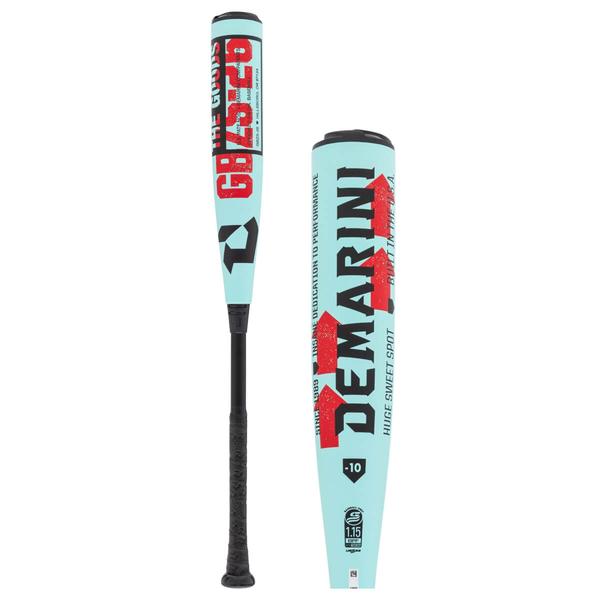
The Goods is DeMarini's power bat for USSSA — built for players who are getting stronger and starting to outgrow lighter drop weights. Two-piece hybrid: X14 alloy barrel paired with a Paraflex Plus composite handle. The Direct Connection keeps the feel stiff and the energy transfer high — noticeably different from the flex feel of the CF. Drop 8 gives a heavier swing than a -10, making it a reasonable step toward BBCOR bats. 2 3/4" barrel, balanced swing, USSSA certified. Available in -10 and -8.
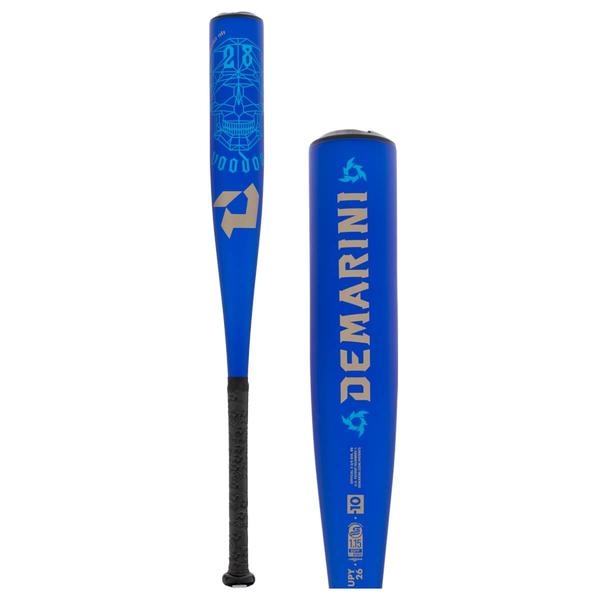
A one-piece alloy baseball bat with a balanced swing weight. Specs include lengths from 25-28 in, 2 3/4-inch barrel diameter, and drop options -10. Certified for USSSA 1.15 play.
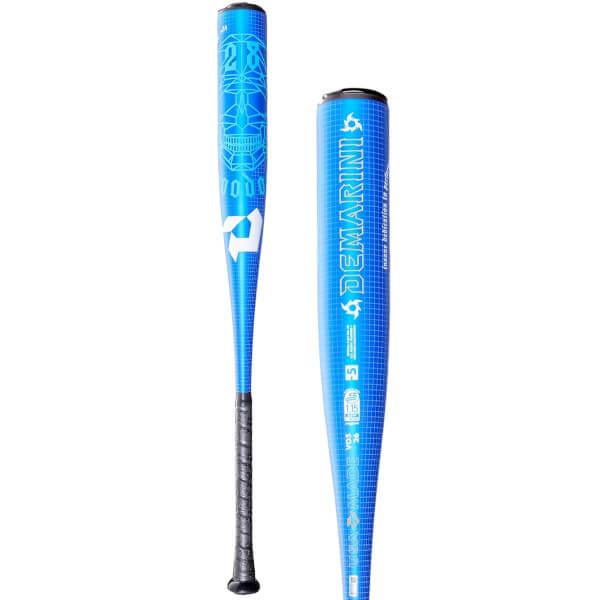
A one-piece alloy baseball bat with a balanced swing weight. Specs include lengths from 26-33 in, 2 3/4-inch barrel diameter, and drop options -5, -8, -10. Certified for USSSA 1.15 play.
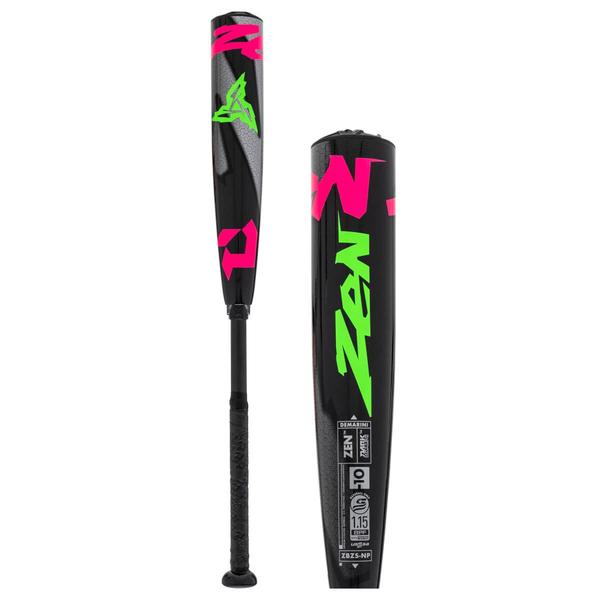
A two-piece all-composite baseball bat with a balanced swing weight. Specs include lengths from 30-33 in, 2 3/4-inch barrel diameter, and drop options -5, -10. Certified for USSSA 1.15 play.
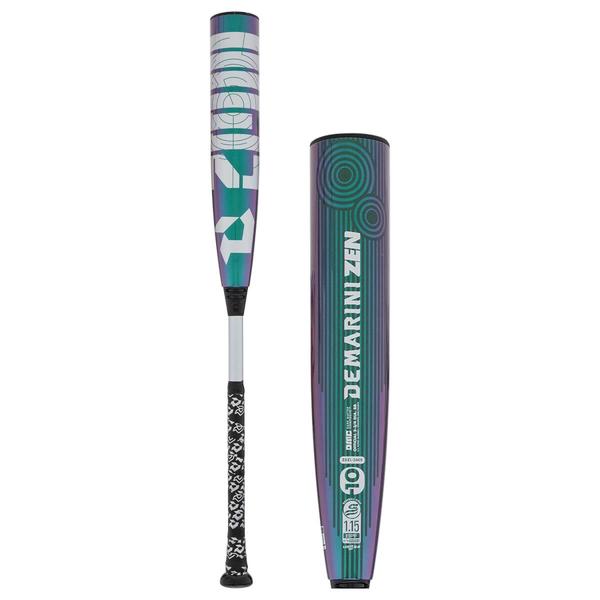
A two-piece all-composite baseball bat with a balanced swing weight. Specs include lengths from 28-33 in, 2 3/4-inch barrel diameter, and drop options -5, -8, -10. Certified for USSSA 1.15 play.
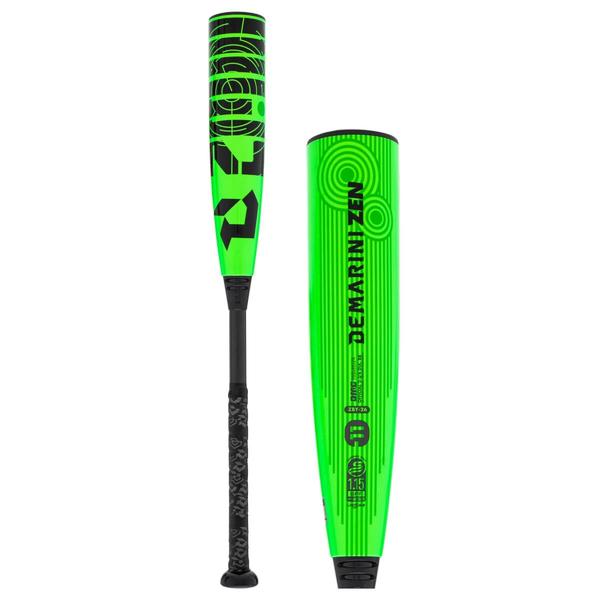
A two-piece all-composite baseball bat with a balanced swing weight. Specs include lengths from 26-28 in, 2 3/4-inch barrel diameter, and drop options -11. Certified for USSSA 1.15 play.
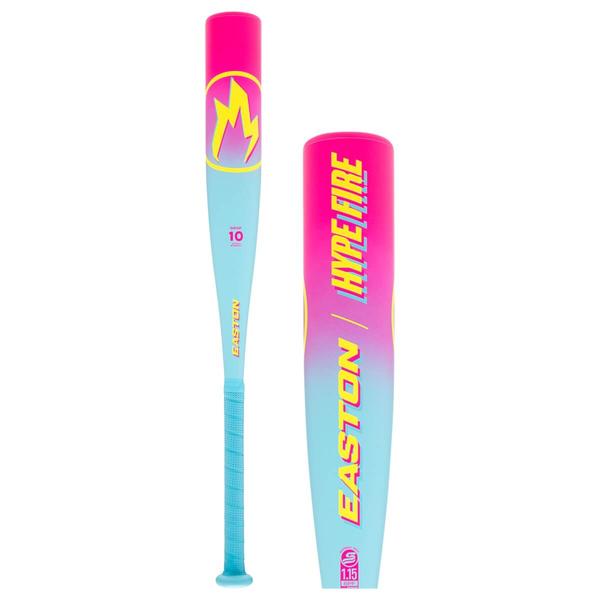
A two-piece all-composite baseball bat with a balanced swing weight. Specs include lengths from 25-27 in, 2 3/4-inch barrel diameter, and drop options -10. Certified for USSSA 1.15 play.
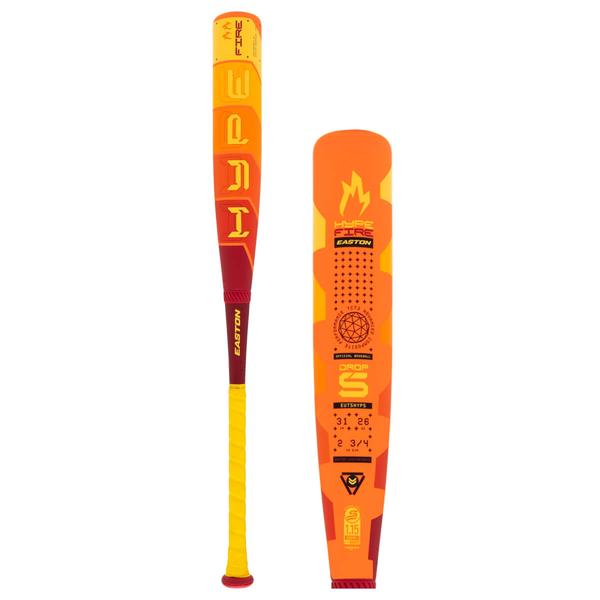
Easton's flagship two-piece composite for 2025. Thermo Composite barrel runs lower compression and a larger sweet spot, better contact across more of the barrel. Connexion Max handles energy transfer and keeps vibration manageable. The Opti-Flex Handle is specifically tuned to the drop 5 with added stiffness, which helps with power output as players develop. Power Boost soft knob reduces sting on mishits. Balanced swing, USSSA certified.
Pros
- Great pop
- Balanced swing feel
Cons
- Durability issues
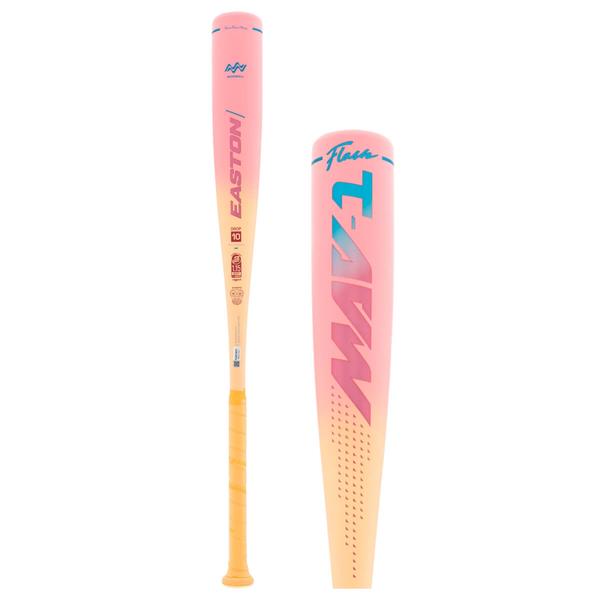
A one-piece alloy baseball bat with a balanced swing weight. Specs include lengths from 27-32 in, 2 3/4-inch barrel diameter, and drop options -5, -8, -10. Certified for USSSA 1.15 play.
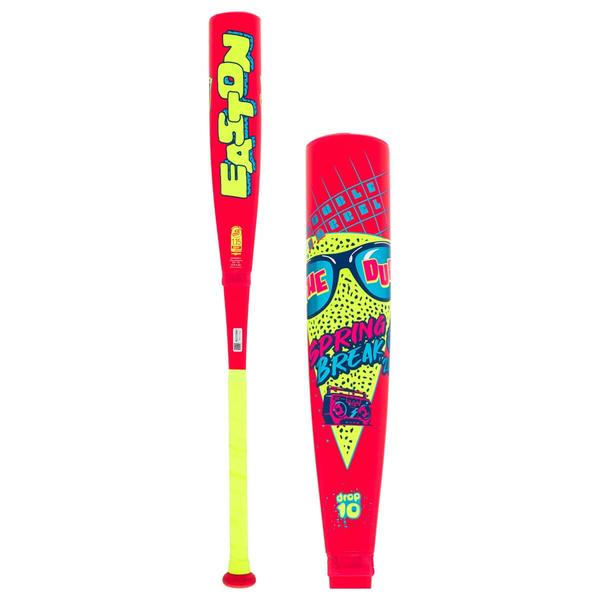
A two-piece all-composite baseball bat with a balanced swing weight. Specs include lengths from 27-32 in, 2 3/4-inch barrel diameter, and drop options -5, -8, -10. Certified for USSSA 1.15 play.
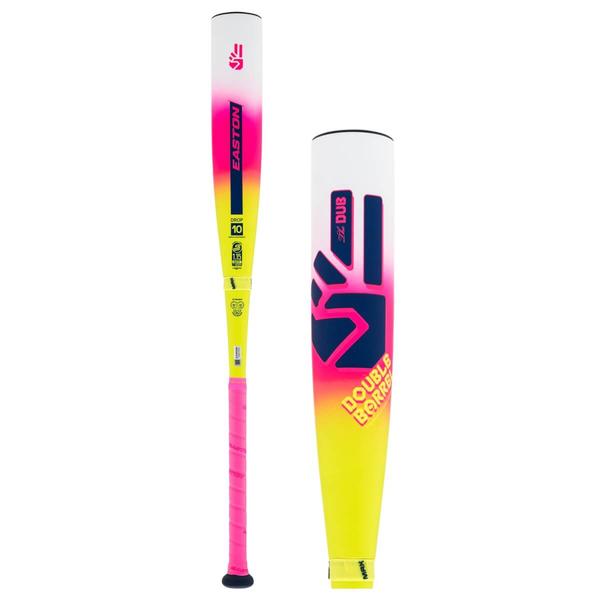
Easton's flagship USSSA bat for 2026. Double Barrel Technology gives it the lowest barrel compression in Easton's USSSA lineup — that means more barrel flex, a bigger sweet spot, and better performance on off-center contact. Two-piece composite with a balanced swing. Connexion Max handles energy transfer and reduces sting; the Power Boost soft knob cuts bottom-hand vibration on mishits. A strong option for players moving up in competition who want a forgiving, high-performing composite. Available in -10, -8, and -5.
Pros
- Great pop
Cons
- Durability issues
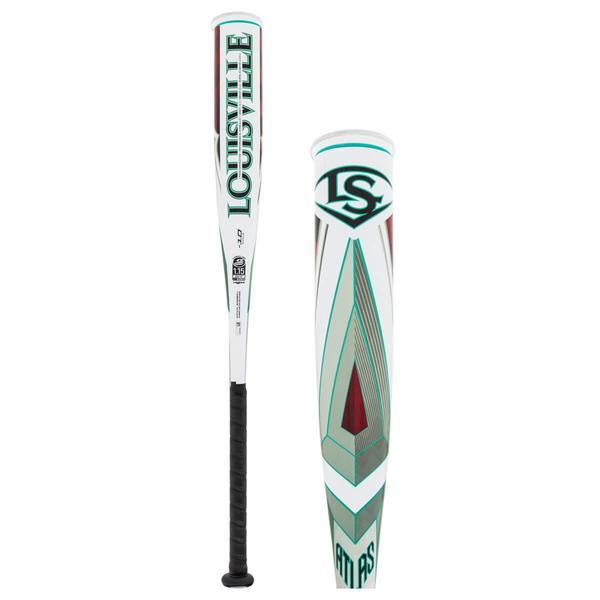
A one-piece alloy baseball bat with a balanced swing weight. Specs include lengths from 30-32 in, 2 3/4-inch barrel diameter, and drop options -5, -8, -10. Certified for USSSA 1.15 play.
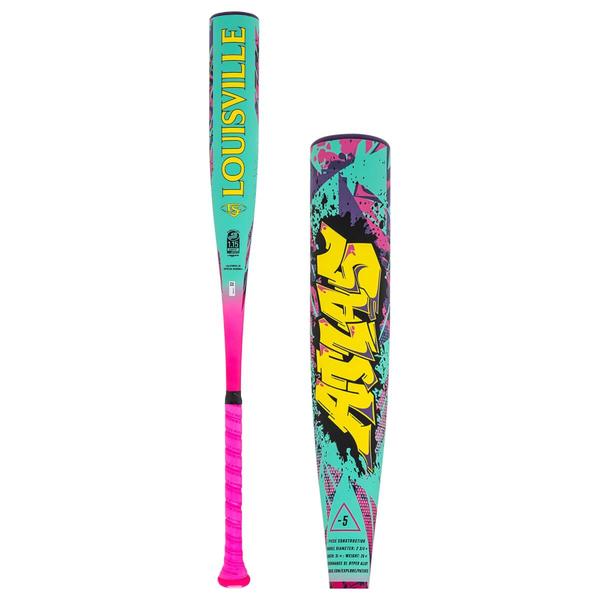
A one-piece alloy baseball bat with a balanced swing weight. Specs include lengths from 29-32 in, 2 3/4-inch barrel diameter, and drop options -5, -8. Certified for USSSA 1.15 play.
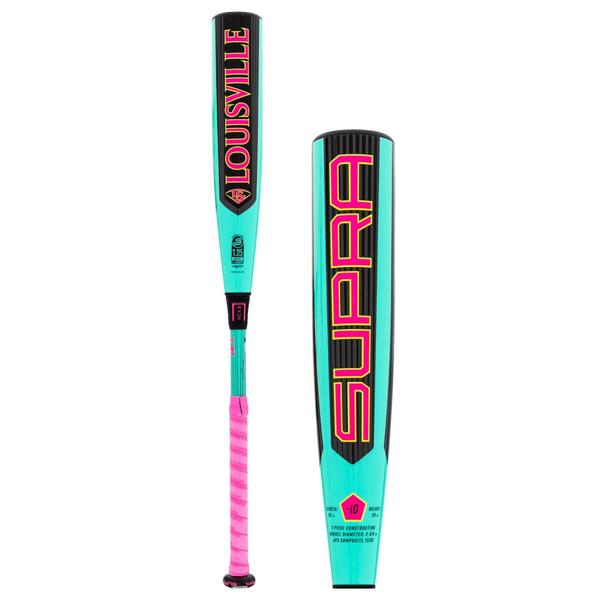
Louisville's top USSSA bat for 2026. Two-piece composite with the Supra APX Composite Barrel — LS says it's game-ready out of the wrapper, which is a real advantage over composites that need a long break-in. XPND Performance End Cap extends performance toward the barrel tip, giving you more on off-center contact. VCX3 connection manages vibration without dulling the feel. Balanced swing, 2 3/4" barrel. Available in -10, -8, and -5.
Pros
- Large sweet spot
- Great pop
- Balanced swing feel
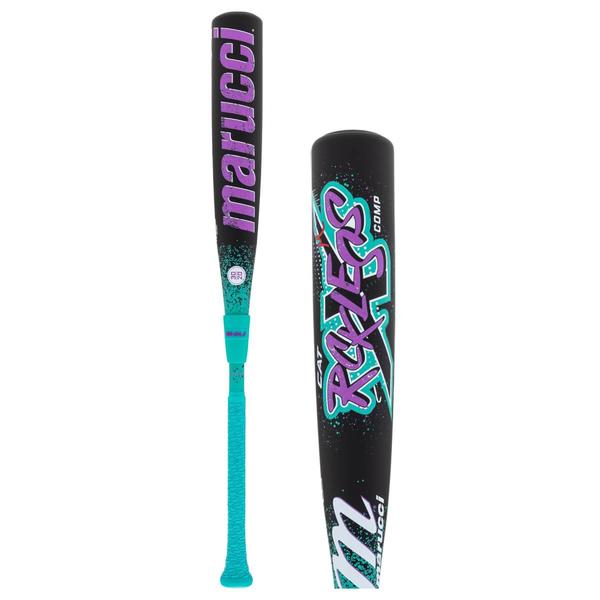
A two-piece all-composite baseball bat with a end-loaded swing weight. Specs include lengths from 28-32 in, 2 3/4-inch barrel diameter, and drop options -5, -8, -10. Certified for USSSA 1.15 play.
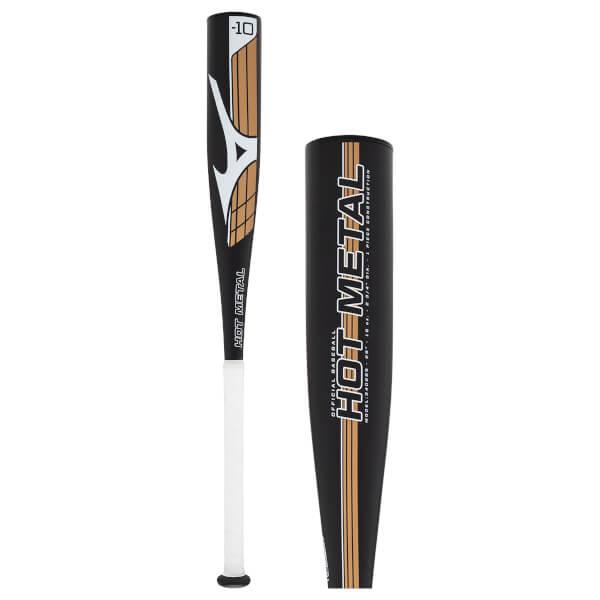
A one-piece alloy baseball bat with a balanced swing weight. Specs include lengths from 26-32 in, 2 3/4-inch barrel diameter, and drop options -5, -8, -10. Certified for USSSA 1.15 play.
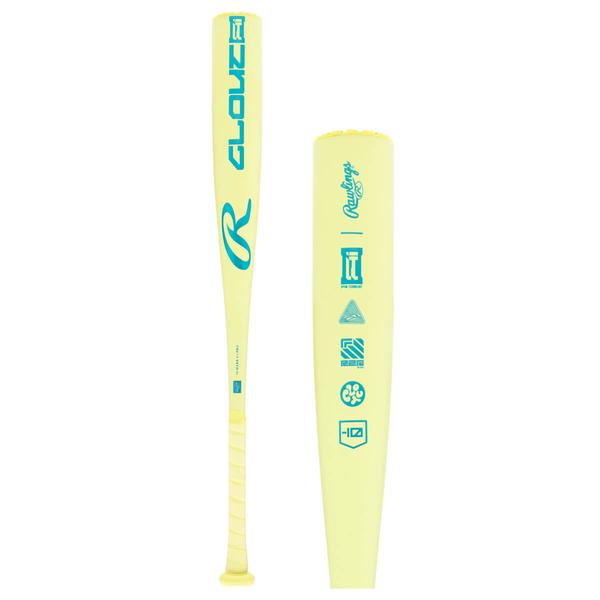
A one-piece alloy baseball bat with a end-loaded swing weight. Specs include lengths from 27-32 in, 2 3/4-inch barrel diameter, and drop options -5, -8, -10. Certified for USSSA 1.15 play.
Pros
- Great pop
What makes a USSSA bat the "best"
There is no single best USSSA bat. A -10 that's perfect for a 10-year-old developing his swing is the wrong bat for a 13-year-old preparing to move to BBCOR.
USSSA certification (stamped "1.15 BPF" or "NTS Tested" on newer bats) means all these bats perform within the same regulated standard. Importantly, USSSA bats have more pop than USA-certified bats, the trampoline effect is real, and it's a meaningful performance difference. The right bat for your player comes down to drop weight, material, construction, and how those factors match where your player actually is in their development, not where you hope they'll be by July.
We've organized our picks by hitting style and use case so you can find what fits, not just what has the biggest marketing budget this season.
Best For Power Hitters 2026 DeMarini The Goods
DeMarini's stiffest-feeling hybrid in USSSA. The X14 alloy barrel and Paraflex Plus composite handle connect via Direct Connection, built for energy transfer, not flex. The -8 drop swings noticeably heavier than a -10, and the 2 3/4" barrel is the largest allowed under USSSA rules. If your player is strong enough to handle the weight, this bat rewards them. Available in -10 and -8.
Best For Contact Hitters Marucci CAT8
One-piece AZ105 alloy with a balanced swing weight that gets the barrel through the zone fast. No break-in needed, performs in cold weather, and the AV2 Anti-Vibration Knob takes the edge off sting without losing that connected feedback contact hitters want. If your player needs to feel exactly where they're making contact, alloy delivers that, composite doesn't.
Best Budget Option DeMarini Zoa
Under $100 for a two-piece composite with real technology. The Continuous Fiber Composite barrel performs consistently along the full length, not just in the sweet spot, and the Anomaly Connection delivers a stiff, efficient feel at contact. Available in -10, -8, and -5. Don't let the price make you think you're settling.
Best Premium Bat Victus Nova Lit
Victus's first all-composite bat, and their most ambitious. The Carbon Eclipse Composite barrel is designed to perform hot out of the wrapper, a legitimate advantage over composites that need weeks of break-in before they perform. XL barrel, Dynamic Handle Technology, 2SIX connection to kill vibration. End-loaded swing for players who generate bat speed and want max pop. At $449.95, it's a serious investment. Built for serious players.
Best All-Around Louisville Slugger Meta
One of the safest picks in USSSA, consistently. The EKO Composite Linear Wall Barrel gives hitters audible, immediate feedback on contact, you know right away whether you barreled it up. Three-piece composite, balanced swing, VCX2 connection handles vibration without deadening the feel. Works for most hitter types. A reliable choice for travel ball players in the 11-13 range who don't want to gamble on a bat.
Best For 14U / Transitioning to BBCOR: DeMarini Zoa (-5) or Axe Warp (-5).
USSSA 14U requires a drop 5 or BBCOR bat, so the bat your player picks here matters beyond this season. The Zoa -5 gives a stiff, high-energy-transfer feel that's closer to what BBCOR swings like. The Axe Warp -5 is worth a look if your player hasn't tried the flared handle, it's genuinely different, and some hitters never go back. Either way: get your player in a drop 5 before the season starts, not during it.
How to Choose the right bat
USSSA is the dominant travel and tournament baseball standard for players roughly 8 to 14 years old. If your kid is playing in any competitive league outside of Little League or school ball, there's a good chance they need a USSSA bat.
But within that certification, the range of options is enormous. Drop weights from -5 to -12. Prices from $70 to $450. Alloy, composite, and hybrid construction. The choices are real and they matter. Here's how to think through them.
The Real Decision Framework
Forget the marketing. When choosing a USSSA bat, you're making four decisions:
- Drop weight: How heavy should the bat be relative to its length?
- Material: Alloy, composite, or hybrid?
- Construction: One-piece or two-piece?
- Swing weight: Balanced or end-loaded?
Get drop weight right first. It's the most important decision and the one parents most often get wrong. Everything else follows from there.
Understanding Drop Weight
Drop weight is the difference between a bat's length (in inches) and its weight (in ounces). A 30-inch bat that weighs 20 ounces is a drop 10 (-10).
In USSSA, the common drop weights are -10, -8, and -5. Some Junior Big Barrel (JBB) bats come in -11 or -12 for smaller players moving up from tee-ball.
Drop Weight Options
-11 to -12 (Junior Big Barrel): For younger or smaller players, typically ages 6-9. These bats usually carry a 2 5/8" barrel and are designed for players not yet ready for the full 2 3/4" barrel. If your player is just moving into kid pitch or competitive play, this is worth considering before jumping straight to -10.
-10: The most common USSSA drop weight for players ages 8-12. Light enough to develop bat speed and mechanics, heavy enough to generate real contact. The right starting point for most travel ball players.
-8: A step up in weight for players ages 10-13 who have outgrown -10. The extra weight rewards stronger swings and helps players develop the power they'll need as they move up. Not a bat to rush into, if your player is dragging an -8, go back to -10.
-5: The heaviest USSSA option, typically for players ages 12-14. This is the bridge drop weight, the gap between -5 and BBCOR -3 is smaller than between -10 and -5, which makes -5 a legitimate prep tool for players heading to high school ball. One critical note: USSSA's 14U division requires a drop 5 or BBCOR bat. If your player is competing at 14U, this is not optional.
Choosing the Right Drop Weight
The simple test: Have your player extend the bat straight out to their side, parallel to the ground. If they can hold it steady for 30 seconds without the barrel dropping, the weight is manageable. If the barrel drops immediately, it's too heavy.
The better test: Watch them swing. Are they getting the barrel through the zone with control? Are they making solid contact, or are they consistently late on velocity? If they're dragging, go lighter.
When in doubt, go lighter. A bat that's too light lets your player develop proper mechanics. A bat that's too heavy teaches bad habits, casting, dropping the hands, slow bat speed, that are much harder to fix than buying a different bat.
AgeTypical DropNotes6-8-12 to -10Junior Big Barrel or standard USSSA; focus on contact and mechanics9-10-10Most players stay here; move to -8 only if clearly outgrown11-12-10 to -8Building strength; -8 for more physical players13-14-8 to -5-5 required at 14U; preparing for BBCOR
These are guidelines, not rules. A big, physical 10-year-old might handle -8 fine. A smaller 13-year-old might need to stay at -8 longer. Watch your player, not the chart.
Bat Materials
Alloy (Aluminum) Bats
What they are: Single or blended metal construction, typically aluminum alloys.
The good:
- Game-ready immediately, no break-in period
- More durable, holds up in cold weather and through heavy cage use
- Less expensive ($70-200 range for most USSSA options)
- Consistent performance across the bat's lifespan
The tradeoffs:
- Smaller sweet spot than broken-in composite
- More vibration on mishits, stings the hands
- Less "pop" compared to a fully broken-in composite
Best for: Developing players, younger players (8-11), families on a budget, cold-weather regions, and players who use their bat heavily in practice. If your kid takes 200 swings in the cage per week, alloy holds up where composite won't.
Composite Bats
What they are: Layered carbon fiber materials, woven and bonded with resin.
The good:
- Larger sweet spot once properly broken in
- Better vibration dampening, significantly less sting on mishits
- More "pop" after break-in, especially on off-center contact
- Can be engineered for lighter swing weight at same length
The tradeoffs:
- Require 150-200 swings to break in before peak performance
- More expensive ($175-450 range)
- Can crack in cold weather (below 60°F is a real risk)
- Less suited for heavy cage work with hard rubber balls
- Performance degrades faster with heavy use
Best for: Experienced players with developed swings, families willing to invest, warm-weather climates, and players who have an alloy bat for cage work. If your player is playing showcase tournaments and you want every edge, composite delivers it, after break-in.
Hybrid Bats
What they are: Typically an alloy barrel with a composite handle.
The good:
- Alloy barrel durability with composite handle vibration dampening
- Often game-ready with minimal break-in
- A reasonable middle-ground option
The tradeoffs:
- More expensive than pure alloy
- The alloy barrel doesn't hit as hot as a broken-in composite barrel
- Performance depends heavily on the specific model
Best for: Players who want some vibration reduction without the composite barrel limitations. A good option for players in mixed-weather climates who don't want to manage two bats.
The Cold Weather Factor
This matters more than most bat guides admit. If you play in the Northeast, Midwest, or anywhere with early-season games below 60°F, think carefully before buying a full composite bat. Composite barrels can crack in cold temperatures, and most manufacturer warranties don't cover cold-weather damage.
Your options:
- Use an alloy bat for cold-weather games, composite for summer tournaments
- Go hybrid (alloy barrel handles cold better than composite)
- Stick with alloy if managing two bats isn't realistic for your family
Travel ball seasons in cold-weather states start in March. Know what you're buying before the first tournament.
One-Piece vs. Two-Piece Construction
One-Piece Bats
The handle and barrel are a single continuous piece of material.
How it feels: Stiff and direct. Energy transfers straight from your hands to the barrel. You feel everything, including mishits.
Who it's good for: Players who consistently barrel the ball and want maximum feedback and energy transfer. Power hitters who have already developed solid contact mechanics.
Who should avoid it: Developing players, anyone who mishits frequently. The sting on bad contact can discourage hitters who are still working on their swing.
Two-Piece Bats
The barrel and handle are separate pieces connected by a joint.
How it feels: More flex and whip through the zone. The connection point absorbs vibration, reducing sting on off-center contact.
Who it's good for: Most travel ball players. The forgiveness helps while mechanics are still developing, and the reduced sting makes a long tournament weekend more bearable. Contact hitters especially benefit from the feel.
Who should avoid it: Players who specifically want maximum stiffness and direct feedback. Some power hitters feel like two-piece construction costs them energy transfer.
The honest recommendation: For most USSSA players, two-piece is the smarter choice. The forgiveness helps during development, and the feel is better across a long season. One-piece makes sense for experienced players who are consistently barreling the ball and want that stiff, direct feedback.
Balanced vs. End-Loaded Swing Weight
End-loaded bats get oversold. More weight toward the barrel sounds like more power, and for the right player, it is. But for most players, it just means a slower swing and worse contact.
Balanced Bats
Weight is distributed evenly throughout the bat.
What this means for your swing:
- Faster, more controlled barrel through the zone
- Easier to make adjustments mid-swing
- Better barrel accuracy on pitches in and out
Best for: Contact hitters, developing players, and anyone who prioritizes getting the barrel to the ball consistently. This is the right choice for most USSSA players.
End-Loaded Bats
Extra weight in the barrel, typically 0.5 to 1 ounce concentrated toward the end cap.
What this means for your swing:
- More mass behind the ball at contact, real power potential for the right player
- Slower swing speed, harder to get around on velocity
- More demanding mechanically, especially on inside pitches
Best for: Stronger, more experienced players with quick hands who have already proven they can drive the ball with a balanced bat. End-load is a tool for players who've earned it, not a shortcut to power.
The mistake: Buying end-loaded because you want more power, but not having the bat speed to get the barrel there. Your average drops, you start cheating on fastballs, and your production suffers. If you're not sure, go balanced. Seriously.
Getting the Right Length
USSSA bats typically run from 26" to 33" depending on the drop weight and player size.
General Sizing Guidelines
Player HeightPlayer WeightSuggested LengthUnder 4'0"Under 60 lbs26-27"4'0" - 4'4"60-70 lbs27-28"4'4" - 4'8"70-80 lbs28-29"4'8" - 5'0"80-100 lbs29-30"5'0" - 5'4"100-120 lbs30-31"Over 5'4"Over 120 lbs31-32"
These are starting points. Swing style matters too.
The real test: Can your player get the barrel to an inside pitch without being late? Can they hold back on off-speed without flying open? If they're consistently getting jammed or pulling off the ball, they might be in a bat that's too long.
When they grow: Youth players grow fast. Some families buy slightly longer to get more use out of a bat. One inch over is usually fine. Two inches over teaches bad habits. Buy what fits now, accept that a new bat might be needed next season.
You may also like: Best Youth Bats for 2026
Budget Realities
Under $100: Entry Level
What you get: Quality alloy bats from reputable brands, solid construction, game-ready performance.
Who should buy here: Players new to USSSA, younger players (8-10), families where cost is a real constraint, bats that will see heavy cage and practice use.
The reality: Don't underestimate this tier. The DeMarini Zoa and Louisville Slugger Meta Prime both live under $100 and bring genuinely impressive technology. You're not settling.
$100-200: Mid-Range
What you get: High-end alloy, entry-level composites, and hybrids with real tech, better sweet spots, improved vibration dampening, two-piece options.
Who should buy here: Most travel ball players. This is where value peaks. The Marucci CAT8, Louisville Slugger Meta, and Axe Warp all land in this range and represent serious bats at honest prices.
The reality: For the majority of USSSA players, $100-200 covers the bat completely. Don't let tournament pressure convince you otherwise.
$200-350: Premium
What you get: High-performance composites and hybrids, larger sweet spots, best vibration dampening, optimized swing weights for specific drop weights.
Who should buy here: Serious travel players with developed swings, players competing at showcases, families who can invest and will protect the bat properly.
The reality: This is where performance gains start to become meaningful for experienced players. The Easton Hype Fire at $249 and the 2026 DeMarini The Goods at $299 are real upgrades, if your player can use them.
$350-450+: Elite
What you get: Top-of-the-line construction, the latest barrel technology, maximum sweet spots, premium feel.
Who should buy here: Elite travel players at the top of their age group, players prioritizing performance over everything else, families where cost isn't the deciding factor.
The reality: Diminishing returns are real above $300. A $450 bat is not 50% better than a $200 bat. At this tier, you're paying for genuine performance advantages that an experienced player will notice, not for something a developing player will feel. Know the difference before you spend it.
Common Mistakes to Avoid
Buying Too Heavy
The most common mistake in youth baseball, full stop. Parents think heavier bat equals more power. For most players, the opposite is true, bat speed generates power, and a bat that's too heavy robs bat speed.
Signs the bat is too heavy:
- Slow swing, consistently late on velocity
- Dropping hands to get the bat started
- Barrel dragging through the zone
- Getting jammed constantly on inside pitches
- Casting, a sweeping, wide path instead of direct to the ball
If you see these, go down in drop weight immediately. The mechanical damage from swinging a too-heavy bat is harder to fix than buying a different bat.
Ignoring the 14U Drop Weight Rule
USSSA requires a drop 5 or BBCOR bat at 14U. This catches families off guard every year. If your player is entering 14U, either this season or next, plan for a drop 5 before tryouts, not after.
Using a USA Bat in a USSSA League
Different certifications, not interchangeable. USA bats are stamped "USA Baseball." USSSA bats are stamped "USSSA 1.15 BPF" or "NTS Tested." Using a USA bat in a USSSA league is illegal. Check what's on the barrel before the first game.
Skipping the Break-In Period
Composite bats need 150-200 swings off a tee or soft toss before they reach peak performance. Rotate the bat slightly between swings to break in the barrel evenly. Don't use an unbroken composite in games, you're paying for performance you're not getting yet.
Using Composite in Cold Weather
Composite barrels can crack below 60°F. If you have a composite bat and play early-season games in cold weather, leave it home or accept the risk. Most warranties won't cover it.
Buying What the Best Kid on the Team Uses
Different size. Different strength. Different swing. What works for the cleanup hitter with a full composite isn't necessarily right for a player still working on contact mechanics. Find what fits your player, not what looks good in the dugout.
USSSA Certification Explained
USSSA bats carry a "1.15 BPF" stamp, BPF stands for Bat Performance Factor, and 1.15 means the ball leaves the bat at 15% more speed than off a wood bat. This is a higher performance standard than USA Baseball certification, which is why USSSA bats have more pop.
Newer USSSA bats are additionally stamped "NTS Tested," indicating they've passed the newer National Testing System standard. Both standards are legal in USSSA play. If you see both stamps on a bat, that's current spec.
A note on older bats: USSSA standards have evolved. A bat your player used two or three seasons ago should still be legal if it has the 1.15 BPF stamp, but check with your specific league if you're unsure.
USSSA vs. USA vs. BBCOR: Which Do You Need?
This is the most common source of confusion, and the most expensive mistake to make.
USSSA (1.15 BPF / NTS Tested) Required for: USSSA tournament and travel baseball (the dominant travel standard for ages 8-14) Not legal for: Little League, Cal Ripken, Babe Ruth, PONY, most rec leagues, high school ball Performance: The "hottest" of the three standards, most pop, largest sweet spots
USA Baseball Required for: Little League (Majors and below), Cal Ripken, Babe Ruth 12U and younger, Dixie Youth, PONY 12U and younger, most recreational leagues Not legal for: USSSA play Performance: Intentionally limited, closer to wood bat performance, designed for development
BBCOR (-3) Required for: High school (JV and varsity), college Drop weight: Always -3, no exceptions Performance: The tightest standard, least pop, designed for safety and wood bat preparation
The short version: If your player is in travel/tournament baseball, they need USSSA. If they're in Little League or rec ball, they need USA. If they're in high school or college, they need BBCOR. These are not interchangeable. Check the stamp on the barrel, and if you're switching leagues, check your new league's requirements before buying anything.
When to Replace Your Bat
Visible Damage
Cracks, dents, a rattling sound, or a loose end cap mean the bat is done. Don't use a damaged bat, it's a safety issue and illegal in most leagues.
Dead Feel
If a bat that used to have pop now feels flat, the barrel may be worn out. Composite bats lose performance over time, especially with heavy use or improper cage use. If exit velocity is dropping and the swing hasn't changed, look at the bat.
Wrong Drop Weight
Your player grew. The bat that fit in March is too light by August. When their mechanics start adapting to a light bat, shortened swing, loss of power, it's time to move up.
League Change
Moving from USA to USSSA (or vice versa) means a new bat. Moving to 14U means a -5 or BBCOR. Plan for these transitions before the season starts, not during it.
Getting More Life From Your Bat
- Rotate the bat between swings to distribute barrel wear
- Never use composite in cold weather
- Use a cheaper alloy for cage and heavy practice work
- Store bats at room temperature, not in a car trunk in winter
- Check the end cap periodically for loosening
FINAL THOUGHTS
The right USSSA bat is the one your player can swing with control and confidence. That's it. A bat that's too heavy, the wrong drop, or the wrong certification doesn't help anyone, no matter the price tag.
Here's a reasonable default for most USSSA players:
- Drop weight: Start lighter than you think. Move up only when they've clearly outgrown it, not because a coach suggests it or a teammate already made the jump.
- Material: Alloy or hybrid if budget is tight or your climate is cold. Composite if you can invest and will protect it.
- Construction: Two-piece for most players. One-piece only if they're consistently barreling the ball and want that direct feel.
- Swing weight: Balanced unless they're a proven power hitter with quick hands. Don't chase end-load.
- Budget: $100-200 covers most USSSA players well. Above $300, you're paying for real advantages, but only an experienced player will notice them.
Good mechanics beat good equipment every time. If your player is still developing their swing, spend the difference on lessons.
You May Also Like
- Best Little League Baseball Bats
- Best Drop 5 Baseball Bats
- Best Drop 8 Baseball Bats
- Best Two-Piece Baseball Bats
Join the club!
Sign up for our newsletter for more articles like this and features updates from our team!
Zach Kerr
Author
Zach is a former college pitcher & Founder of Baseball Near You.