Best Outfield Baseball Gloves for 2027
Written by Zach Kerr
Published February 19th, 2026 · Updated September 25th, 2026


Best Outfielder Gloves Out Right Now
Outfield gloves are not complicated. You need length to cover ground, a deep pocket to secure fly balls, and leather that holds up over a season.

Kip leather shell breaks in faster than traditional steer but still needs real work before it's game ready. Plan on 200+ swings and don't rush it into a game. Once shaped properly this glove holds its pocket for years.
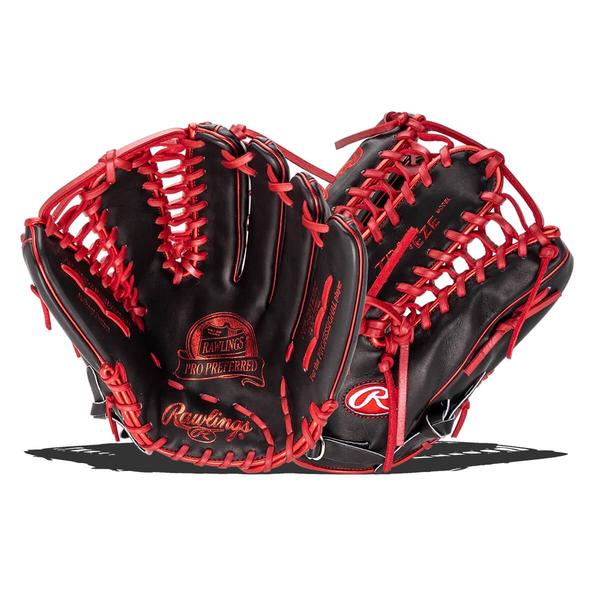
Built on Mike Trout's personal MT27 pattern with a long, deep pocket designed for tracking down fly balls in center field. Trapeze web gives good visibility while maintaining structure. Kip leather shell is premium but requires serious break in time.
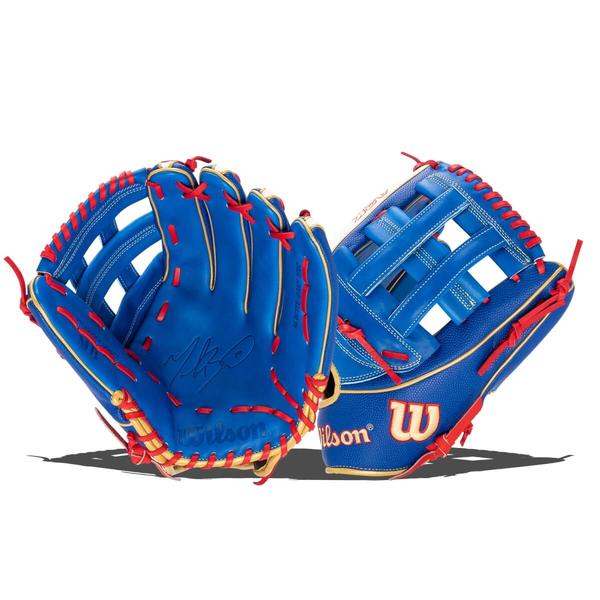
Pro Stock Select leather shell from the top 5% of hides Wilson receives for A2K models. SuperSkin backing is lighter than standard leather and more resistant to wear and moisture. Double Palm Construction adds a thin layer of leather between the palm liner and shell for extra durability.
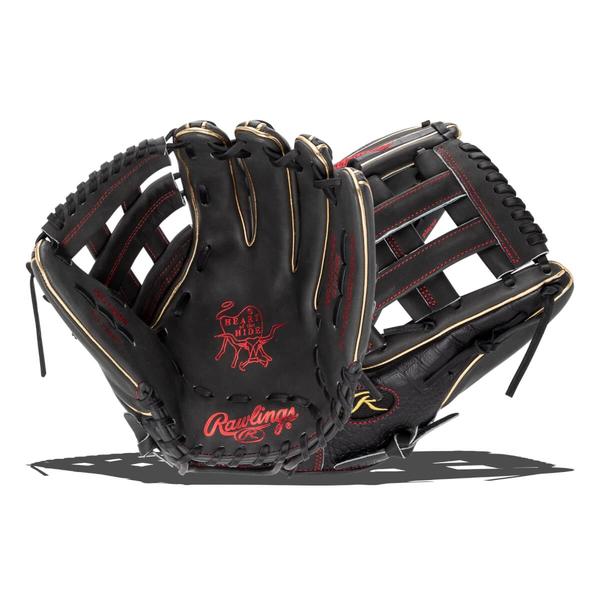
US steerhide shell with the 3319 pattern featuring an extra deep pocket for outfield play. The croc skin embossing on the back is purely cosmetic but gives it a distinctive look. Stiff leather requires standard HOTH break in time.
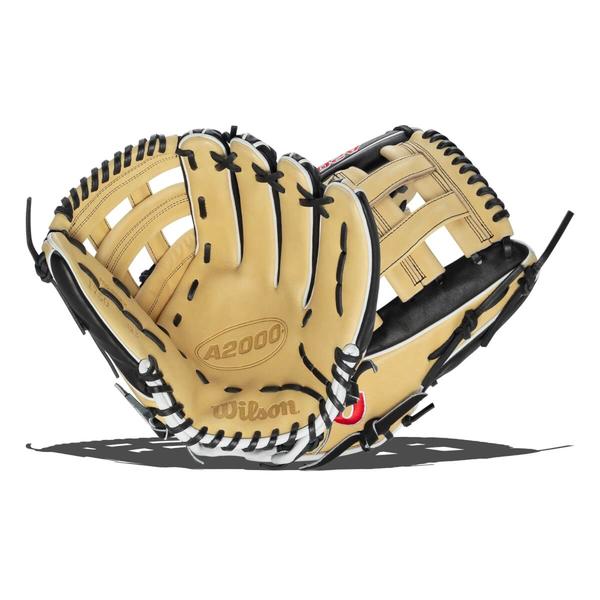
Wilson's popular 1799 outfield pattern scaled down to 12.5 for players who want a smaller, quicker closing glove. Good option for younger outfielders or players transitioning from infield who want something more manageable than a full 12.75. Same Pro Stock leather and break in requirements as the larger version.

Pro Stock Steerhide shell on the classic 1799 outfield pattern. The gunmetal colorway is a limited edition so availability may be spotty. Same construction and break in requirements as the standard A2000.
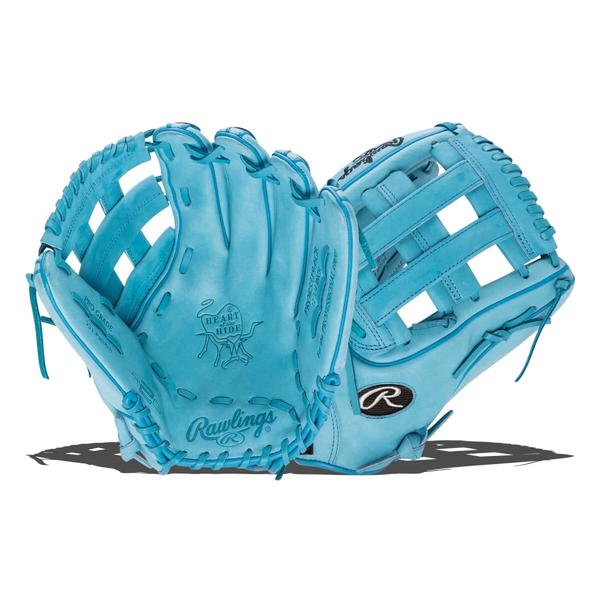
The R2G (Ready 2 Go) version comes 65% broken in from the factory. You're putting in significantly less work before it's game ready than with a standard Heart of the Hide. H-web on a deep outfield pattern.
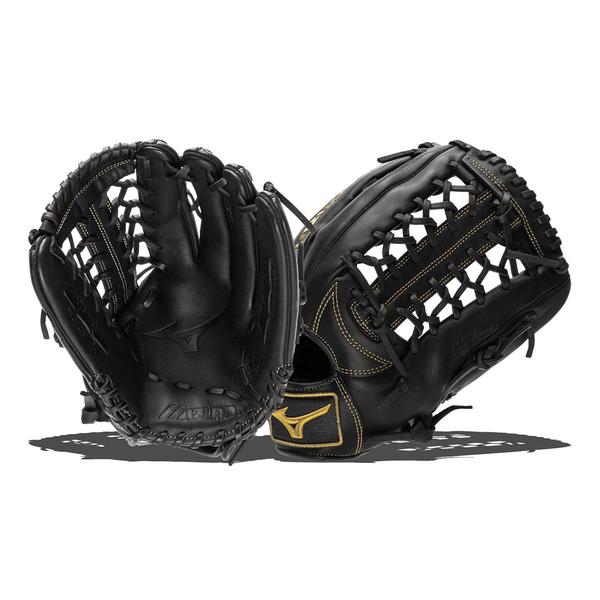
Bio Soft leather has a smooth feel and breaks in easier than many competitors at this price point. Modified trapeze web works well for tracking fly balls. At $120 this is a solid entry level option for players who aren't ready to invest in a $250+ glove yet.
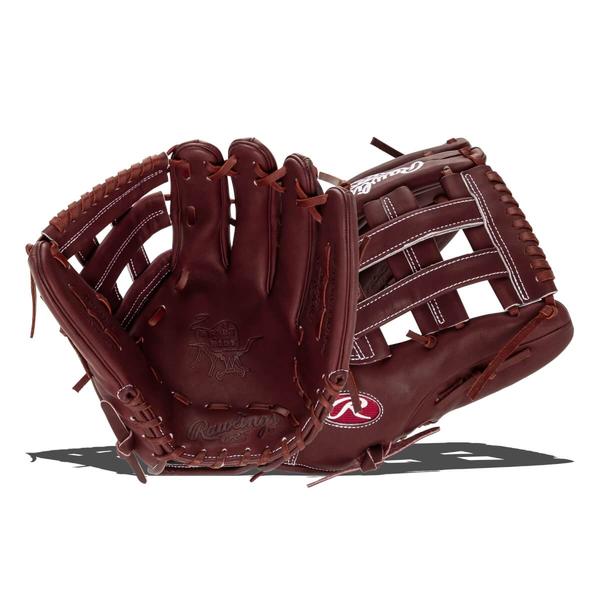
US steerhide shell on the 3039 pattern with an H-web built for outfield play. Standard Heart of the Hide construction means a stiff break in period but excellent durability once it's game ready. The red colorway stands out on the field.
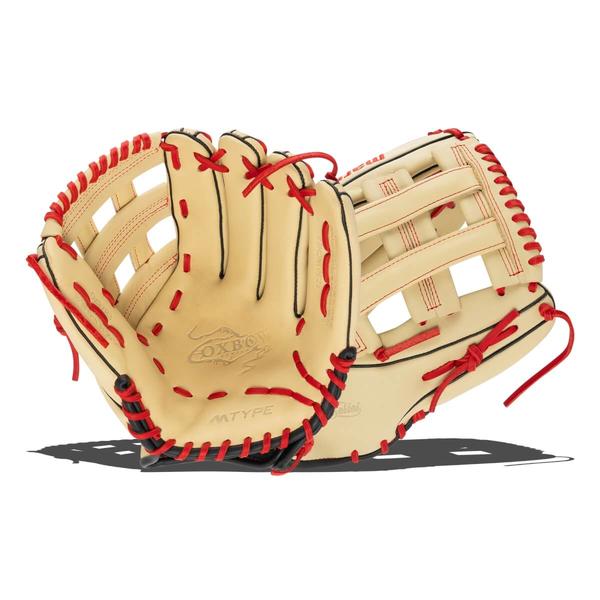
Full grain cowhide leather that comes noticeably soft so the break in here is minimal. Game ready faster than most competitors at this price point. H-web on a 12.5 pattern that works well for younger outfielders or players who prefer a smaller glove.
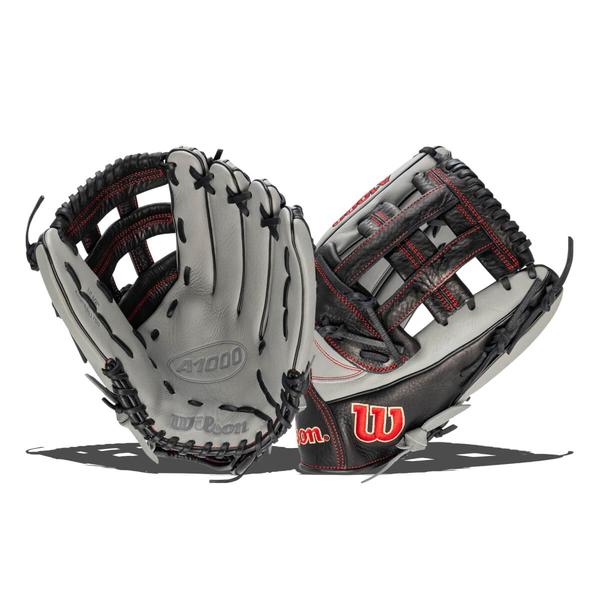
The A1000 uses full grain leather that comes significantly softer than the A2000 or A2K. Minimal break in required so it's game ready faster. At $120 this is a good step up from youth gloves without the price tag or break in demands of the higher end Wilson lines.
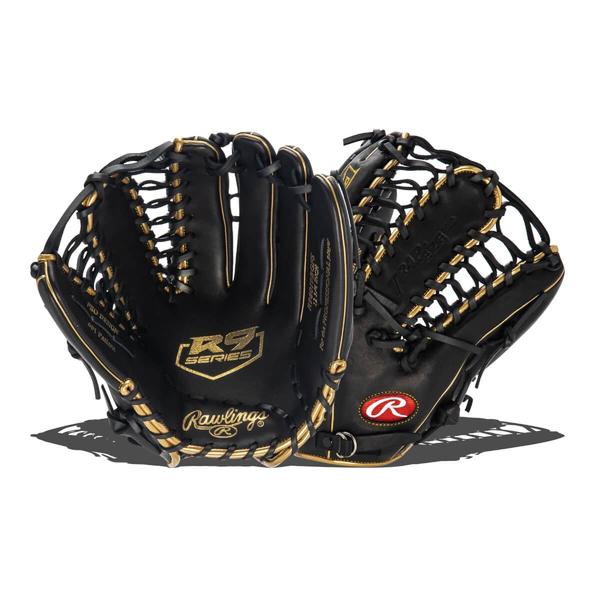
Same soft R9 leather as the standard R9 but with a finger shift design that moves your pinky into a two finger slot for a different feel and faster close. Six finger web. Good option for players who want to experiment with finger placement without spending $250+.
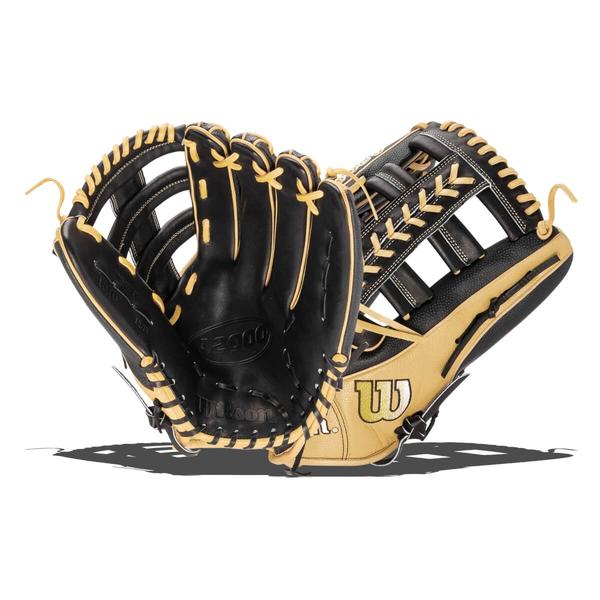
The 1810 pattern runs 12.75 and is one of Wilson's longest outfield designs. SuperSkin backing on the shell reduces weight and improves water resistance. Single post web. Good choice for corner outfielders who want reach without the full weight of an all leather glove.
What Makes an Outfield Glove the "Best"
There is no universal answer. A glove that is perfect for a college centerfielder patrolling a 400-foot gap is the wrong glove for a 10-year-old who needs something they can actually close.
What makes an outfield glove right for a specific player comes down to four things: size, web type, leather stiffness, and whether the player will put in the break-in work. Get those four things right and the brand name on the back matters a lot less than the marketing suggests.
How to Choose the Right Outfield Glove
The Real Decision Framework
When choosing an outfield glove, you are making four decisions:
1. Size: 12.5" or 12.75"?
2. Web type: H-web, trapeze, or six-finger?
3. Leather: How stiff, and how much break-in are you willing to do?
4. Budget: Where does price meet performance for this player?
Size and leather stiffness matter most. Get those right first.
Size: 12.5" vs. 12.75"
This is the most straightforward decision in outfield gloves.
12.75" is the standard size for outfielders at the high school level and above. Maximum length means maximum reach, which matters when you are covering real ground in a competitive outfield. The vast majority of outfield gloves are built at this length for good reason.
12.5" serves two groups of players: younger or smaller outfielders who need a glove they can control, and players who want a slightly more compact feel without sacrificing too much range. A 12.5" glove is also the standard size for pitchers who want a larger glove with a closed web to hide their grip.
The honest take: If your player is 13 or older and playing competitive ball, 12.75" is almost certainly the right call. If they are younger or have smaller hands, 12.5" gives them better control.
Web Type
Outfield gloves use three main web styles, and each one has a real functional difference.
H-Web
The most common outfield web. Open design with an H-shaped pattern in the center. Lets the sun shine through when tracking fly balls, and the flexible structure helps the glove close quickly on contact. The right choice for most outfielders.
Trapeze Web
A longer, more enclosed web with a reinforced bar across the top. Creates a deeper, more secure pocket than an H-web. Common on Rawlings outfield patterns. Good for players who prioritize pocket depth and ball security over flexibility.
Six-Finger Web
A wide, open web with six leather fingers. Creates a large, flat catching surface. Less common, but the Wilson Spin Control OT7 uses this design specifically because the open structure lets the dimpled palm do its job on incoming spin.
For most outfielders: H-web or trapeze. Both work. Personal preference plays a role, and trying both before committing is worth the effort if possible.
Leather and Break-In: Know What You Are Buying
This is where most players and parents make mistakes. Gloves are sold on how they look, not how long it takes to make them game-ready. The leather type determines almost everything about how long that process takes and how the glove performs once shaped.
Stiff Leather (Kip, Pro Stock Select, Pro Stock Steerhide)
Found on: Rawlings Pro Preferred, Wilson A2K
What to expect: A long break-in, typically 150 to 300 swings off a tee or soft toss before the glove is ready for competitive games. The payoff is a glove that forms precisely to the hand, holds its shape for years, and performs at the highest level once conditioned.
Who should buy this: High school, college, and adult players who have the time and discipline to break in a premium glove properly. Do not buy a $300+ glove and take it into a game in week one.
You can speed up the break in process with glove oils and other alternatives.
Mid-Grade Leather (US Steerhide, Pro Stock)
Found on: Rawlings Heart of the Hide, Wilson A2000
What to expect: A real break-in, but more manageable than kip or Pro Stock Select. The A2000 and HOTH are proven at every level from travel ball through the pros. Once shaped, the leather holds its structure well and holds up over multiple seasons.
Who should buy this: The widest range of players. Competitive high school players, college players, serious adult league players, and advanced travel ball players who want proven construction without the most demanding break-in process.
Soft Leather (Full-Grain, R9 Leather, Bio Soft)
Found on: Wilson A1000, Rawlings R9, Rawlings Sandlot, Mizuno MVP Prime, Marucci Oxbow
What to expect: Minimal break-in. These gloves are accessible and manageable out of the box, which makes them the right call for younger players, developing players, and families who need a game-ready glove quickly. The tradeoff is that softer leather does not hold its shape as long or perform as precisely as premium leather once broken in.
Who should buy this: Players ages 10 to 14, players new to the outfield, and anyone who wants a functional glove without a demanding conditioning process.
You can protect your gloves with glove cases to keep them in good condition.
SuperSkin
Found on: Wilson A2K SuperSkin and A2000 SuperSkin models
SuperSkin is Wilson's proprietary synthetic material used on the back of certain gloves. It is 50% lighter than standard leather, twice as durable, and more water-resistant. It also shortens the break-in compared to an all-leather version of the same glove. It is not on the catching surface, so it does not affect feel on the catch, only the overall weight and durability of the glove.
The Cold Weather and Wet Conditions Factor
Leather gloves and wet conditions are not a great combination. Soaking a quality leather glove repeatedly without proper conditioning will dry it out and shorten its lifespan significantly. If your player plays in a region with heavy spring rain or cold early-season games, SuperSkin-backed models hold up better in wet conditions. Gloves with full leather backs need more attention and conditioning if they get wet regularly.
Budget Reality
Under $150: Entry Level
What you get: Soft, accessible leather with minimal break-in. Functional for developing players and recreational use. Rawlings R9, Rawlings Sandlot, Wilson A1000, Marucci Oxbow all live here.
Who should buy here: Players ages 10 to 14, beginners, families who are not sure how committed their player is, and adults who want a recreational glove.
The reality: These gloves work fine for what they are. Your 11-year-old does not need a $300 A2K. The soft leather actually helps younger players close the glove consistently, which matters more than premium construction at that age.
$150 to $280: Mid-Range
What you get: Mid-grade to premium leather, proven outfield patterns, gloves that hold up over multiple seasons with proper care. Wilson A2000, Rawlings Heart of the Hide, Rawlings HOTH R2G all live here.
Who should buy here: Competitive high school players, serious travel ball players 13 and older, adult league players who want a durable glove that performs over time.
The reality: This is where value peaks. The A2000 and Heart of the Hide are used at every level including professional baseball. You are not settling by staying in this range.
$280 and Above: Premium
What you get: Pro Stock Select and Kip leather, maximum durability, the best long-term structure available, extra shaping and construction attention before the glove leaves the factory. Wilson A2K, Rawlings Pro Preferred live here.
Who should buy here: High school and college players with developed technique who will put in the break-in work, serious adult players who want a glove that lasts years, players who know exactly what pattern and feel they want.
The reality: Premium gloves are genuinely better. They last longer, form more precisely, and perform at a higher level once shaped. But they require a real investment of conditioning time before they deliver on that promise. A player who will not break a glove in properly is better served by a mid-range glove they will actually use correctly.
Common Mistakes to Avoid
Using a premium glove before it is broken in
The most common mistake at the high school level. A player gets a new A2K or Pro Preferred, takes it into a game in week two, and the stiff leather costs them a ball they should have caught. Break-in is not optional. 150 to 300 swings off a tee or soft toss before game use.
Buying too big
A glove that is too large for a player's hand is harder to control and harder to close quickly. Younger players especially are better served by 12.5" than a 12.75" they cannot manage. Fit matters more than length.
Buying based on what a pro uses
Professional players have glove deals, access to unlimited equipment, and sometimes wear the same glove for three seasons while getting monthly replacements. What works for a MLB outfielder who breaks in six gloves a year is not the same consideration as what works for a high school player who needs one glove to perform for a full season.
Over-oiling
Leather conditioner is good. Too much leather conditioner breaks down the structure of the glove, softens it past the point of usefulness, and in some cases voids the manufacturer warranty. Apply a thin coat, let it absorb, and do not overdo it.
Skipping the break-in on a composite or R2G glove
R2G and A1000-level gloves still benefit from conditioning work even if they are game-ready quickly. A few sessions of play catch and soft toss before a competitive game will help the pocket set and the leather conform to the hand.
When to Replace Your Glove
Broken laces
Laces can be replaced. A cobbler or glove repair shop can re-lace a glove for less than $30 in most cases. Do not replace the whole glove because of a broken lace.
Torn or cracked leather
A crack in the palm or a tear in the shell means the glove is done. A damaged catching surface is a safety issue and a performance one.
Lost pocket shape
If the pocket has gone completely flat or will no longer hold its shape regardless of conditioning, the leather has worn out. A well-maintained premium glove should last three to five seasons with proper care. Soft leather gloves typically have a shorter lifespan with heavy use.
Wrong fit due to growth
Youth players grow. A glove that fits at 11 may not fit at 13. If the glove is clearly too small, it is time to size up regardless of how much life is left in the leather.
Final Thoughts
The right outfield glove is the one your player can close consistently, that fits the leather quality they are willing to maintain, and that suits the level they are actually playing at right now.
For most players, here is a reasonable default approach:
Age 10 to 12
Soft leather, 12.5", minimal break-in. Marucci Oxbow, Rawlings R9, or Rawlings Sandlot. Focus on fit and function, not brand prestige.
Age 13 to 15, Competitive Travel Ball
Mid-grade leather, 12.75", H-web or trapeze. Wilson A2000 or Rawlings Heart of the Hide. These gloves hold up over multiple seasons and perform at the level these players need.
High School and Above
Match the glove to the commitment. If the player will put in the break-in work, a Wilson A2K or Rawlings Pro Preferred is a legitimate investment. If they will not, the A2000 or HOTH is the smarter choice and performs at the same level for most players.
The brand on the glove matters less than whether the player uses it correctly. A well-conditioned mid-range glove beats a poorly broken-in premium glove every time.
You may also like: How to Clean Your Glove
Join the club!
Sign up for our newsletter for more articles like this and features updates from our team!
Zach Kerr
Author
Zach is a former college pitcher & Founder of Baseball Near You.