
We may earn a commission if you buy through links on this page.
Contents
A catcher's mitt is built differently from every other glove on the field: more padding, a closed pocket and sizing by circumference. Below are our picks for high school, college and pro catchers, the best mitts for the cost, and a youth section with sizes by age. Looking for a fielding glove for another position? See our best baseball gloves guide.
How we picked: we compared mitts from All-Star, Rawlings, Wilson, Mizuno and Nokona on size, leather, padding and pocket, using the details each brand and retailer publishes. Prices change often, so check the store page when you click through.
Best All Around Catcher's Mitts
For Advanced High School, College & Pro Players
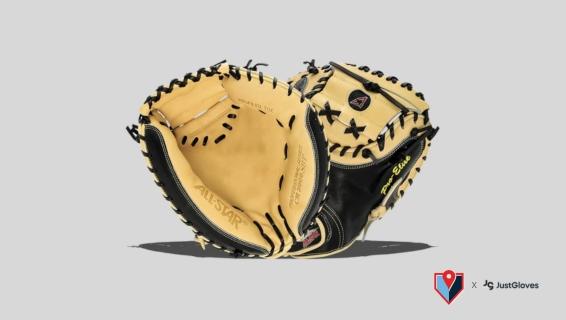
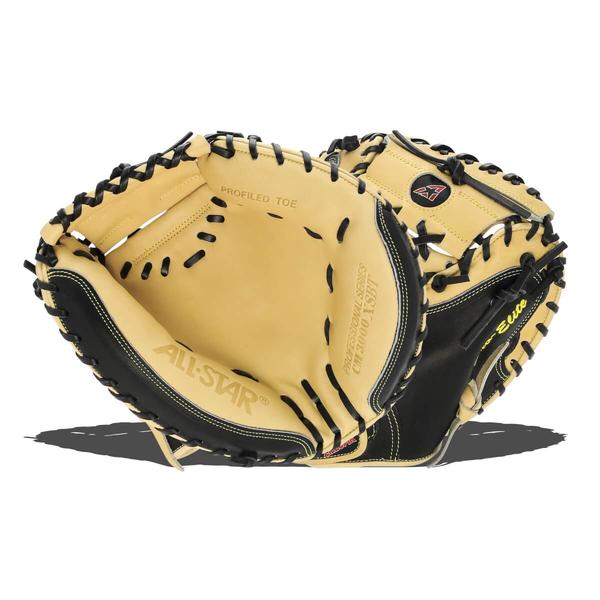
The All-Star Pro Elite Catcher's Mitt is crafted with exclusive Japanese Tanned Steer Hide Leather, making for custom chaping and long-lasting durability. Its tan leather pocket offers a great feel with extra pop for pitchers, while the black backing provides essential support for ball control.
Designed with an extended pro pocket and a smooth back for comfort, this 33.50-inch mitt features a reinforced closed web, making it ideal for elite catchers. Handcrafted with precision, it promises top-tier performance and reliability behind the plate.
Pros
- One of the highest quality catcher's mitts available
Cons
- Costly
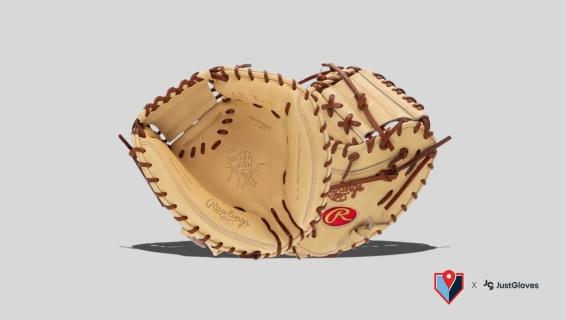
The Rawlings Heart of the Hide PRORYM4C is designed for elite catchers, featuring a 34-inch circumference and Yadier Molina’s signature YM4 pattern for superior fit and control. Made from top-grade U.S. steerhide, it offers durability and a pro-level feel. Key features include deertanned palm lining, padded thumb sleeve, fully closed webbing, and an index finger pad for protection. The pro-grade leather laces and thermoformed wrist padding ensure a customized, durable fit. Finished in a striking camel colorway, it combines performance and style, plus free shipping with purchase
Pros
- Yadier Molina model
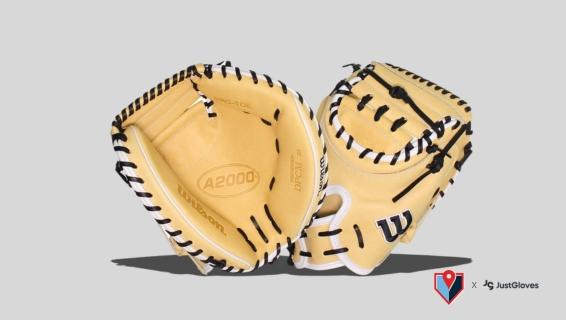
The Wilson A2000 CM33 Catcher's Mitt has a 33-inch circumference and a deep pocket, offering excellent ball control and quick glove-to-hand transfer. Its Pro Stock Select leather, made from American steerhide, ensures unmatched durability and a premium feel, built to last season after season.
Pros
- Durable
- Deep pocket
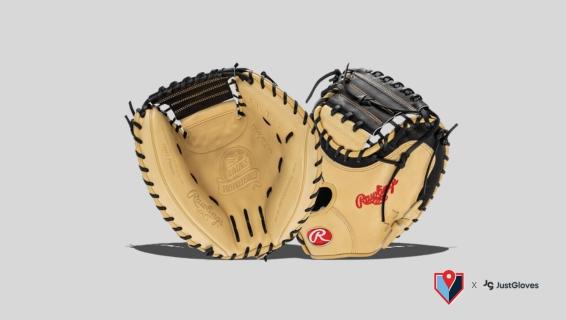
The Rawlings Pro Preferred series is a top choice among MLB players, crafted with ultra-premium kipskin leather for superior shape retention and lighter weight compared to steerhide. While the glove requires an extended break-in period, it molds into a personalized fit over time.
This 34" catcher's mitt features moisture-wicking sheepskin lining for added comfort, a two-piece solid web for durability, and a classic camel and black design.
Pros
- Superior shape retention
- Highest quality leather Rawlings has available
Cons
- Hardest to break in (75:25 ratio player to factory break in per Rawlings)
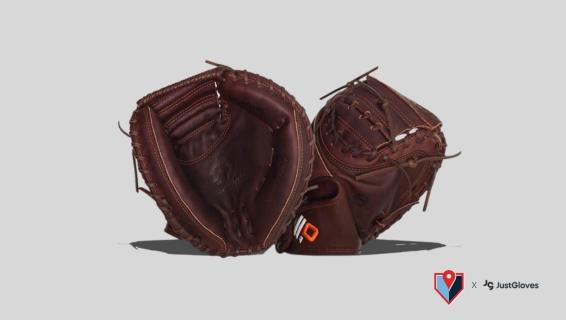
The Nokona X2 Elite series is designed for elite players looking for high-quality, ready-to-play mitts with minimal break-in time. Crafted with a blend of Stampede Steerhide, Kangaroo Leather, and Nolera Composite Padding, these gloves offer exceptional durability, flexibility, and performance tailored for each position.
Pros
- Fast break in time
- Kangaroo leather
Cons
- One of the most expensive gloves available
Best Catcher's Mitts for the Cost
For High School & College Players
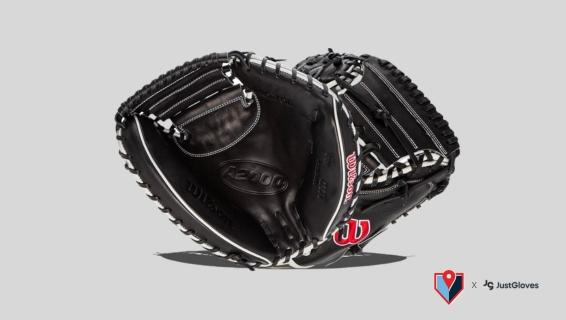
The Wilson A2000 M1D Catcher's Mitt is crafted made high-quality Pro Stock Leather for long-lasting durability and shape retention. Its butter-soft Pro Lux leather hand lining ensures a comfortable, custom fit over time.
This model is designed with an extended palm to help prevent balls from bouncing out when catching, and a deep pocket preferred by many catchers. The combination of these features makes the A2000 M1D a top choice for serious catchers looking for reliability and performance behind the plate.
Pros
- Best value for the price on our list
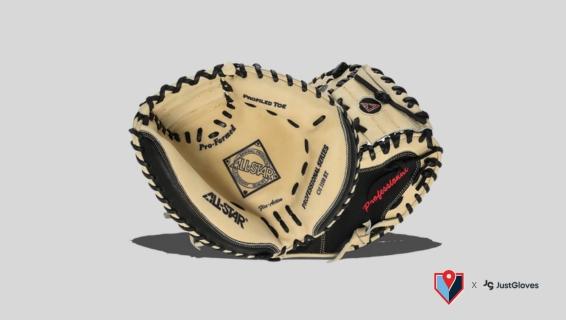
The All-Star Pro Series CM3100BT Catcher’s Mitt is built for high-level performance with Japanese US Steer Hide Leather and Heavy Duty Rawhide Lacing for durability and strength. Designed for quick break-in, it includes an extended pocket for easier catching and a Padded Wrist Guard for added protection and comfort.
Pros
- Great value for the price
- Break in time is shorter than most other models on our list
Cons
- Soft leather can lose it's shape sooner than stiff leather
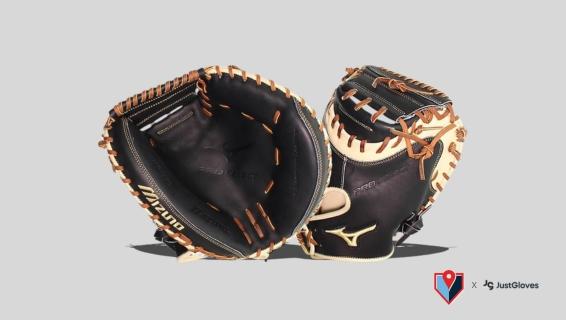
The Mizuno Pro Select Catcher's Mitt combines Mizuno's long-standing glove craftsmanship with advanced glove designs tailored for specific positions. Using scans of professional players' gloves, the mitt offers a pro fit for anyone. Made from durable US Steerhide leather, it molds really well to your hand over time. Mizuno also offers a 12-month warranty to cover potential manufacturing defects.
Pros
- Great value for the price
Cons
- Long break in
How to Choose the Right Catcher's Mitt
When selecting a catcher's mitt, prioritize pocket depth, as a deeper pocket provides better control and reduces pop-outs. Mitt size ranges from 32" to 34", with larger sizes offering more surface area but potentially slowing transfer times. Webbing is key—closed web designs offer more support, especially for fast pitches. Consider break-in time; high-quality leather mitts mold to your hand but need more time to break in.
Interested in new gear? Here's our breakdown of the best catchers gear for 2027
Materials for Catcher's Mitts
- Steerhide: Durable and holds shape well.
- Kangaroo Leather: Lightweight yet strong.
- Cowhide: Quicker break-in, ideal for comfort.
Pro Features for Catcher's Mitts
Look for reinforced palm padding for protection, moisture-wicking linings to stay dry, and quick transfer designs to improve game speed.
Maintaining Your Catcher's Mitt
Regularly condition the mitt to keep it soft and prevent cracking. Store it properly in a cool, dry place to maintain its shape. Break it in with oil, light use, and glove mallets for the best fit.
Catcher’s Mitt Sizing
Catcher's mitts are measured around the outside of the mitt, not from the heel to the tip like a fielding glove. Adult mitts usually run 32" to 34.5", and youth mitts start around 29.5". Smaller mitts are easier for young hands to close, while bigger mitts give a larger target. Baseball Monkey's sizing guide is a good starting point.
Best Youth Catcher's Mitts
Youth mitts are smaller and lighter so a young catcher can actually squeeze the mitt shut. A common mistake is buying a 33" adult mitt to grow into. If your catcher can't close it, they'll stab at pitches and drop more of them. These are rough sizes by age from Baseball Monkey's catcher's mitt sizing chart:
- Under 7: 29.5" to 30"
- Ages 8 to 10: 30" to 31"
- Ages 11 to 13: 30" to 34.5"
- 14 and up: 32" to 34.5"
Our catalog doesn't carry a true youth mitt under 32" yet. For an older youth or young teen catcher moving up, these are the smallest mitts we cover. All-Star lists its 32" Pro Elite (CM3000XSBT) as a smaller mitt for young catchers in its protective catalog.
The All Star Pro Elite 32" Catcher's Mitt (32") is categorized as a catcher's mitt for receiving, framing, and blocking at the plate. Technical details in the listing point to an extra-stiff feel that usually takes longer to break in and materials called out include Japanese steerhide leather and steerhide leather. Listed color options are Black, Tan.

This model is configured as a catcher's mitt in 32.5", with a shape aimed at receiving, framing, and blocking at the plate. Available product details indicate a stiff feel with a moderate break-in period and noted build features include a closed-web pocket design. Current listing options include Black, Blue, Red.
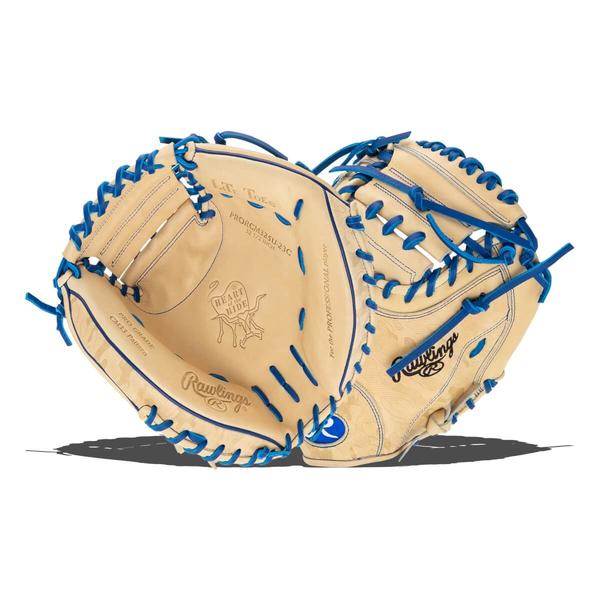
This model is configured as a catcher's mitt in 32.5", with a shape aimed at receiving, framing, and blocking at the plate. Available product details indicate a stiff feel with a moderate break-in period, spec tags include Heart of the Hide line, and materials called out include steerhide leather. Listed color options are Blonde, Blue.
For a full set of gear, see our catcher's gear guide and catcher's cleats.
Catcher's Mitt FAQ
What size catcher's mitt does my kid need? Go by age and hand size. Under 7 usually fits 29.5" to 30", ages 8 to 10 fit 30" to 31", and ages 11 to 13 range from 30" to 34.5" depending on hand size.
Can a catcher use a regular baseball glove? Not for long. A fielding glove has far less padding, so a catcher taking pitches all game will feel it in the hand. For other positions, see our glove guide.
How is a catcher's mitt measured? By the circumference around the outside of the mitt. Fielding gloves are measured from the heel to the tip of the index finger.
How do I break in a catcher's mitt? Play catch with it as much as you can and close it around a ball between sessions. Our break-in guide covers what to avoid.
Similar Posts:

Zach Kerr
Zach is a former college pitcher & Founder of Baseball Near You.