Best Baseball Pants of 2027 (Adult & Youth)
Written by Zach Kerr
Published January 13th, 2026 · Updated September 25th, 2026

Best Adult Baseball Pants
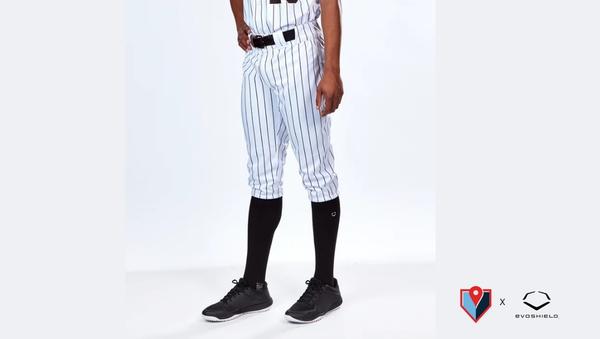
A pinstripe knicker cut from EvoShield's Salute line, built for players who want a traditional knicker look with modern waistband grip and reinforced sliding zones. Expect a tailored, athletic fit with double-knee construction and team-uniform styling.
Pros
- Pinstripe look with modern performance features
- Reinforced knees for sliding durability
Cons
- Premium price for a team-uniform pant
- Limited-edition/team-style colorways may sell out
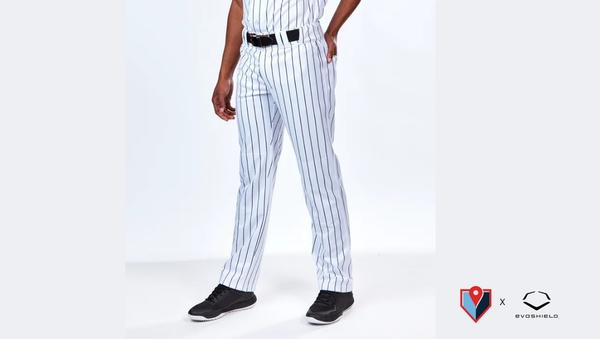
A Salute-series open-bottom game pant designed for team use. The build focuses on comfort at the waist, moisture management, and durable sliding zones—ideal for players who prefer a full-length, straight/open hem over a knicker or jogger.
Pros
- Pinstripe look with modern performance features
- Reinforced knees for sliding durability
Cons
- Color availability varies by season/retailer
- Athletic fit may feel snug in the thighs for some
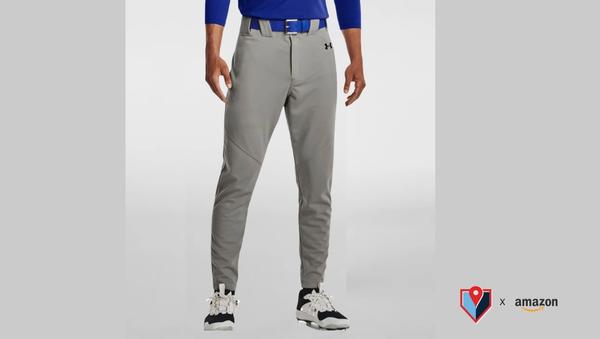
A widely used team-uniform option from Under Armour's Utility line. It's built around a durable, easy-care fabric with reinforced knees for sliding and day-to-day practice wear, making it a practical default for teams and players who want value and availability.
Pros
- Reliable budget-friendly team pant
- Durable double-knee construction
Cons
- Not as premium/structured as higher-end game pants
- Fit can feel roomy depending on size
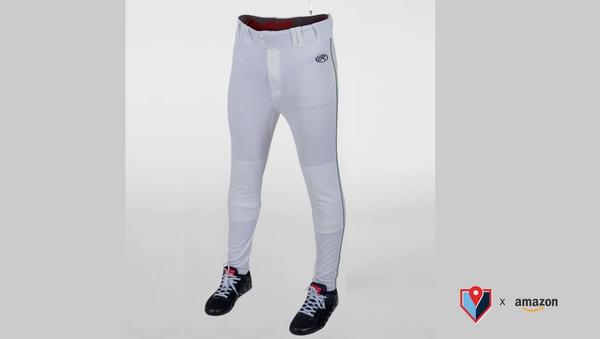
A modern jogger take on a traditional piped baseball pant. The elastic cuff helps keep the hem out of the dirt, while the piping maintains a classic team-uniform look—useful for players who prefer a cleaner, tapered leg through the ankle.
Pros
- Jogger cuff keeps pant legs clean and secure
- Piped team look in a modern silhouette
Cons
- Jogger style isn't allowed in every league
- Cuff fit can feel tight over some cleats
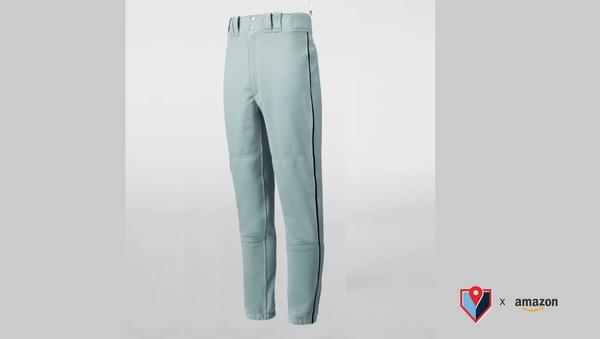
Mizuno's Premier line is a common pick for teams that want a dependable, traditional game pant with strong durability. The piped variants are useful for teams that want clear color contrast without moving to a jogger or heavily tapered silhouette.
Pros
- Long-standing team-uniform staple
- Durable fabric built for a full season
Cons
- Not the stretchiest option
- Fit can feel traditional vs. modern tapered cuts
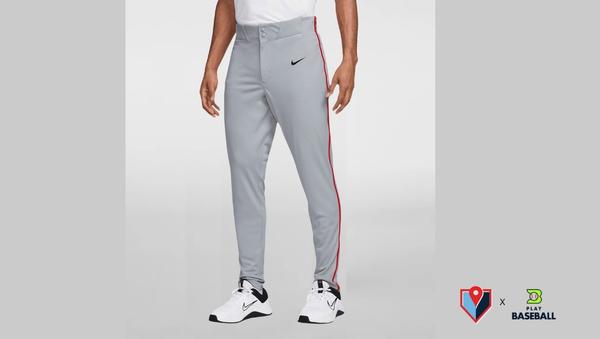
A pro-style piped pant built around Nike Dri-FIT moisture management and a durable game-day construction. It's a strong pick for teams that want a recognizable Nike look, solid durability, and a wide range of classic piped color combos.
Pros
- Clean pro-style piping with Nike Dri-FIT
- Durable double-knee build for game wear
Cons
- Pricier than many team-uniform pants
- Limited stretch vs. some 4-way-stretch options
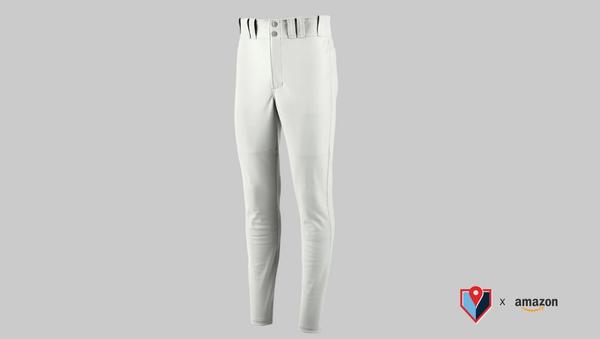
A tapered-cut Mizuno game pant aimed at players who want a cleaner leg shape while keeping a traditional uniform look. It's a common choice for teams because the design stays simple, durable, and easy to match across roster sizes.
Pros
- Tapered leg without going full jogger
- Reliable durability and fit for team uniforms
Cons
- Stretch level varies by fabric version
- Fewer style details vs. premium pants
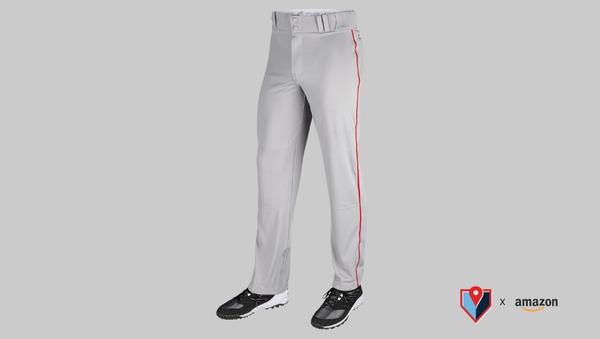
This is a classic team-uniform workhorse: straight-leg open bottom, reinforced where it matters (seat and knees), and a grippy waistband that keeps jerseys from creeping out. If you’re buying pants to survive weekly games + tournaments (and you don’t want to replace them mid-season), this is the kind of build you want, just get the inseam right so you’re not sacrificing durability to dragging hems.
Pros
- Pro-weight 14 oz fabric built for long seasons
- Reinforced double-ply seat and knees for sliding
- Super-grip waistband helps keep jerseys tucked
- Piped/braid look for team colors
Cons
- Heavier fabric runs warmer than lightweight stretch pants
- Open-bottom hems can get chewed up if you buy them too long
- loose/straight-leg fit isn’t the “modern tapered” look some older players want
Best Youth Baseball Pants
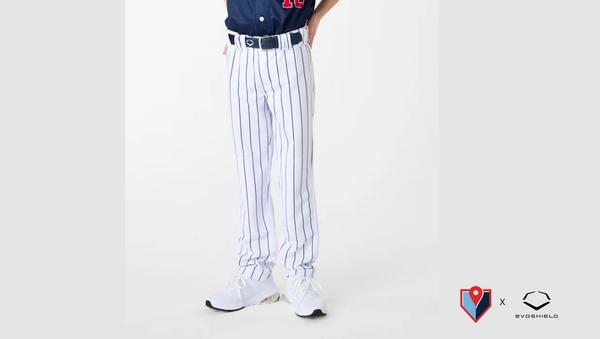
A youth open-bottom pinstripe pant in the Salute line, built for team uniforms with an athletic fit and reinforced sliding zones. It balances traditional pinstripe aesthetics with modern waistband grip and comfort features.
Pros
- Pinstripe look for youth teams
- Reinforced knees for frequent sliding
Cons
- Higher price than many youth pants
- Pinstripe options can be limited by size/color
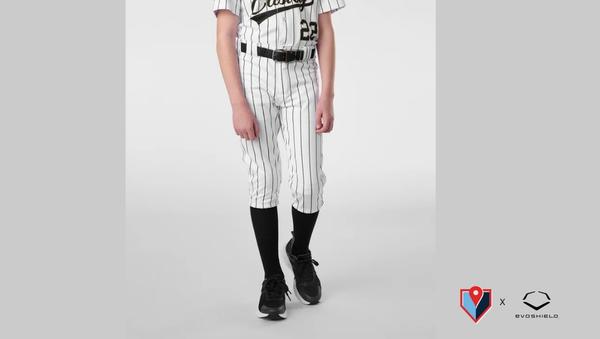
A youth pinstripe knicker option for teams that want a classic look. Built around an athletic fit, a waistband designed to hold jerseys in place, and reinforced knees for sliding and practice wear.
Pros
- Classic knicker cut with pinstripes
- Durable double-knee build
Cons
- Pinstripes are less forgiving for stains
- Pricey vs. basic youth knickers
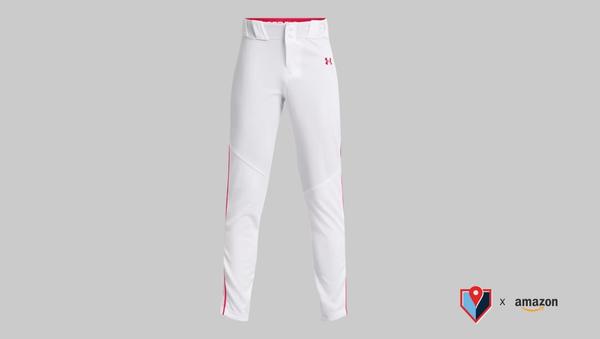
A widely used team-uniform option from Under Armour's Utility line. It's built around a durable, easy-care fabric with reinforced knees for sliding and day-to-day practice wear, making it a practical default for teams and players who want value and availability.
Pros
- Reliable budget-friendly team pant
- Durable double-knee construction
Cons
- Not as premium/structured as higher-end game pants
- Fit can feel roomy depending on size
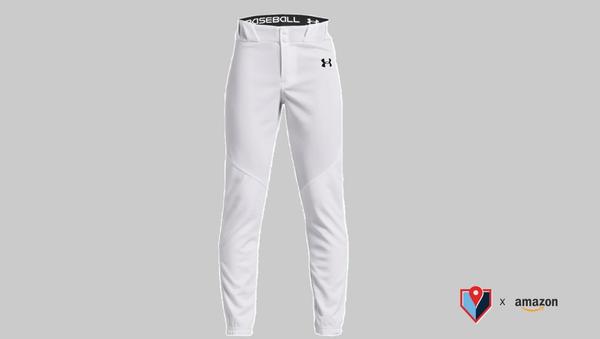
A widely used team-uniform option from Under Armour's Utility line. It's built around a durable, easy-care fabric with reinforced knees for sliding and day-to-day practice wear, making it a practical default for teams and players who want value and availability.
Pros
- Reliable budget-friendly team pant
- Durable double-knee construction
Cons
- Not as premium/structured as higher-end game pants
- Fit can feel roomy depending on size
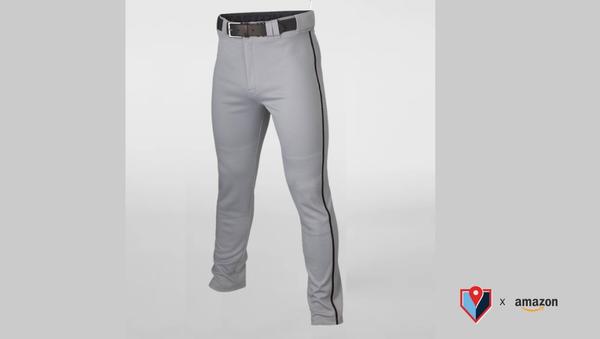
A budget-friendly youth piped pant designed for team use, with reinforced knees and practical uniform details (belt loops, zipper and snap closure). It's a solid default when you need a classic open-bottom look without a premium price tag.
Pros
- Great value for youth teams
- Reinforced knees and secure closure details
Cons
- Fabric feel is more 'team uniform' than premium
- Color/size availability varies
A youth open-bottom pinstripe pant in the Salute line, built for team uniforms with an athletic fit and reinforced sliding zones. It balances traditional pinstripe aesthetics with modern waistband grip and comfort features.
Pros
- Pinstripe look for youth teams
- Reinforced knees for frequent sliding
Cons
- Higher price than many youth pants
- Pinstripe options can be limited by size/color
This is a smart “buy once and survive the season” youth pant. You’re getting the same core features families care about from reinforced sliding zones, grippy waistband, and a real uniform fit to an adjustable inseam that helps when your kid is between sizes or hits a growth spurt mid-year. If the team requires open-bottom with team detailing (piping/braid), this checks the box without feeling flimsy.
Pros
- Pro-weight 14 oz fabric built for long seasons
- Reinforced double-ply seat and knees for sliding
- Super-grip waistband helps keep jerseys tucked
- Piped/braid look for team colors
Cons
- Pro-weight fabric can feel hot in peak summer
- Straight-leg open-bottom fit may feel “baggy” for kids who want tapered
- Still not immune to youth baseball reality (dirt, stains, and knees hitting gravel)
How to Choose the Right Baseball Pants
Baseball pants seem simple until you're staring at 30 options and realizing you don't know the difference between open bottom and tapered, or why some pants cost $20 and others cost $80.
Here's what actually matters: fit, style, durability, and making sure you get what your league or team requires. Everything else is marketing.
The Four (Main) Pant Styles
Open Bottom (Full Length)
Open bottom pants have no elastic at the hem. They drape over your cleats like regular trousers.
What they look like: The modern pro look. Pants sit on top of the cleat, sometimes with a slight break. Clean, relaxed silhouette.
Who they're for: Players who want the contemporary MLB style. Most high school and college players wear open bottom. Also good for players who run long in the inseam since there's no elastic bunching.
The tradeoff: Can look sloppy if too long. Hems can drag and fray if not sized correctly.
Tapered
Tapered pants narrow from the knee to the ankle, creating a slimmer profile at the bottom while still covering the cleat.
What they look like: A fitted, athletic look. Slimmer through the calf than open bottom, but still full length.
Who they're for: Players who want a cleaner silhouette without going full knicker. Popular with players who don't like excess fabric around the ankles.
The tradeoff: Less forgiving on sizing. If you're between sizes or have larger calves, tapered can feel restrictive.
Knicker (Short)
Knickers end just below the knee with an elastic hem. Designed to be worn with high socks.
What they look like: The classic, old-school baseball look. Shows off the socks and stirrups.
Who they're for: Players who like the traditional aesthetic, want better ventilation in hot weather, or whose team uniform requires the look. Some players find them more comfortable for mobility.
The tradeoff: Requires long socks (and matching ones). Less protection on slides. Not the dominant style anymore, so you might stand out.
Tweener (Semi-Short)
Tweeners split the difference. Longer than knickers but shorter than full length, typically ending mid-calf or just above the ankle.
What they look like: A modern hybrid. Shows some sock without going full knicker.
Who they're for: Players who want a cleaner look than open bottom but don't want to commit to full knickers. Increasingly popular at youth levels.
The tradeoff: Relatively new style, so fewer options available. Can look awkward if the length doesn't hit right on your leg.
Design Options
Solid
Plain white, gray, or black with no stripes or accents. The most versatile option.
When to choose: If your team hasn't specified piping color, or you want pants that work with any jersey combination. Solid white and solid gray go with everything.
Piped
A thin stripe (usually 1/4" to 1/2") runs down the outside of each leg. The pipe color typically matches your team's accent color.
When to choose: When your team uniform calls for it. Piping adds a polished, put-together look. Make sure you get the right color to match your jerseys.
Pinstripe
Multiple thin vertical stripes running from waist to hem, usually on a white or gray base.
When to choose: Classic look associated with certain MLB teams (Yankees, Cubs). Less common at youth levels. Check if your league or team uses this style before buying.
Fit Types
Relaxed Fit
Looser through the thighs and seat. More room throughout.
Good for: Players who prioritize comfort over aesthetics, larger builds, or anyone who doesn't like form-fitting clothes. Also good for players who wear sliding shorts or compression shorts underneath.
Athletic Fit (Slim)
More contoured to the body. Narrower through the leg.
Good for: Players who want a cleaner, more fitted appearance. Leaner builds. Players who don't wear much underneath.
Watch out for: Going too tight. You need to be able to move, slide, and squat without restriction. If the pants feel tight when you're standing still, they'll be worse when you're playing.
The Fit Test
Before buying (or before the first game):
- Can you squat fully without the waistband digging in?
- Can you take a full stride without the fabric pulling?
- Can you bring your knee to your chest?
- Does the rise (crotch) sit comfortably, not too high or low?
If any of these feel restricted, go up a size or try a different fit.
Sizing Guide
Youth Sizes
Youth baseball pants typically run from YXS to YXL. Sizing is based on waist measurement, but inseam matters too.
Size Typical Waist Typical Inseam Approximate Age YXS 18-20" 17-18" 4-5 YS 20-22" 19-20" 6-7 YM 22-24" 21-23" 8-10 YL 24-26" 23-25" 10-12 YXL 26-28" 25-27" 12-14
These are general guidelines. Brands vary, and kids vary more. When in doubt, measure.
Adult Sizes
Adult pants run from S to 3XL (or larger). Again, waist is the primary measurement, but check the inseam if you're particularly tall or short.
Most adult pants have a standard 31" inseam. If you're over 6'2" or under 5'8", look for brands that offer adjustable or custom inseams.
How to Measure
Waist: Measure around your natural waist (where you wear your belt), not your hips. Keep the tape snug but not tight.
Inseam: Measure from the crotch seam to the bottom of the hem on a pair of pants that fit well. Or measure from your crotch to where you want the pants to hit (ankle for full length, below knee for knickers).
Pro tip: If you're between sizes, the answer depends on the fit. For relaxed fit, you can probably take the smaller size. For slim/athletic fit, go up.
Materials and Durability
Polyester
The standard for baseball pants. Lightweight, breathable, moisture-wicking, and dries quickly. Most pants are 100% polyester or a polyester blend.
Why it matters: Polyester handles sweat, doesn't hold water weight in rain, and cleans relatively easily. Cotton, by comparison, gets heavy when wet and holds stains.
Double-Knit vs. Single-Knit
Double-knit: Thicker, more durable fabric. Better for players who slide frequently or play on rough fields. Heavier and warmer.
Single-knit: Lighter and more breathable. Better for hot weather. Less durable for aggressive play.
If your player slides a lot or plays on fields with coarse infield dirt, double-knit is worth the extra weight.
Reinforced Knees
Many pants have extra layers of fabric or padding at the knees. This extends the life of the pants and provides some protection when sliding.
Worth it? Yes, especially for youth players who haven't mastered sliding technique yet. The knee area takes the most abuse.
Stretch Fabric
Some pants include spandex or elastane (usually 5-10%) for added stretch. This improves mobility and comfort.
Worth it? Nice to have, not essential. Players who prioritize freedom of movement will appreciate it. Traditional players may not notice the difference.
What to Check Before Buying
League Requirements
Before you buy anything, check what your league or team requires:
- Specific color (white, gray, black)?
- Piping color that must match jerseys?
- Pant style (some leagues require a specific look)?
- Belt loops (most leagues require them)?
There's nothing worse than buying pants and finding out they don't meet uniform requirements.
Belt Loops vs. Elastic Waist
Most baseball pants have belt loops and require a belt. Some youth pants have elastic waistbands instead.
Belt loops: Standard for most leagues. Look more professional. Require purchasing a belt separately.
Elastic waist: Easier for young kids. No belt to lose or forget. May not be allowed in some leagues.
Check your league rules. If belt loops are required, make sure you have a belt that matches your team colors.
Pockets
Some pants have back pockets, some don't. Most players don't use them during games, but they can be handy for practices or warmups.
Price Tiers
$15-25: Entry Level
Basic polyester construction. Single-knit fabric. Minimal reinforcement. Gets the job done for recreational players or as backup pants.
Good for: Beginners, recreational leagues, backup pairs, players who outgrow clothes quickly.
$25-45: Mid-Range
Better fabric quality. Double-knit options. Reinforced knees. More style options (piping, tapered cuts).
Good for: Most travel ball players. This is the sweet spot for quality vs. price. You get durability without overpaying.
$45-80: Premium
High-end materials. Four-way stretch. Moisture-wicking technology. Brand names. Better construction throughout.
Good for: Serious players, high school varsity, players who want the best feel and fit. Durability is generally better, so they may last longer despite the higher upfront cost.
The Honest Take
A $60 pair of pants won't make your kid play better than a $25 pair. What matters is fit, comfort, and meeting your team's requirements. Spend more if you want better durability or specific features. Don't spend more just because of a brand name.
Care and Cleaning
White baseball pants and red dirt are natural enemies. Here's how to win the fight.
The Golden Rule
Never put stained pants in the dryer. Heat sets stains permanently. Always check that stains are gone before drying.
Grass Stains
Grass stains are protein-based, which means they need enzyme cleaners to break down.
What works:
- Enzyme-based stain removers (check the label)
- OxiClean or similar oxygen-based cleaners
- Fels-Naptha soap (rub directly on stain)
What doesn't work as well:
- Hot water (can set protein stains)
- Regular detergent alone
Dirt and Clay Stains
Red clay is particularly stubborn because of the iron content.
What works:
- Iron Out (rust remover) - the secret weapon of baseball moms everywhere
- Dawn dish soap mixed with hydrogen peroxide
- Pre-soaking in warm water with OxiClean
The Iron Out method: Add 1/2 cup to a bucket of warm water. Soak pants for 1-2 hours (or longer for tough stains). Wash with regular detergent. Air dry until you confirm stains are gone.
Warning: Iron Out has strong fumes. Use in a ventilated area. Test on a small hidden area first if pants have colored piping.
The Basic Cleaning Process
- Shake off loose dirt immediately after the game
- Rinse with cold water to prevent stains from setting
- Pre-treat stains with your preferred method
- Let it sit for 15-30 minutes (or longer for tough stains)
- Wash in cold or warm water (not hot) with detergent
- Check for remaining stains before drying
- Air dry or tumble dry low once stains are gone
What NOT to Do
- Don't use chlorine bleach on white pants regularly. It yellows the fabric over time.
- Don't wash with colored clothes. Colors can bleed onto white fabric.
- Don't use fabric softener. It can affect moisture-wicking properties.
- Don't wait. The longer stains sit, the harder they are to remove.
How Often to Wash
After every game is ideal. If that's not realistic, at least rinse and pre-treat stains immediately, then do a full wash within a day or two.
When to Replace
Signs It's Time
- Visible wear at knees or seat: Once the fabric is thinning, tears are coming
- Permanent stains: If you've tried everything and they still look dingy
- Poor fit: Kids grow. If the waist is too tight or the inseam is too short, it's time
- Elastic is shot: On knickers or closed-hem pants, stretched-out elastic looks sloppy
Making Them Last
- Rotate between 2-3 pairs during the season
- Use one pair for practice, another for games
- Don't wear them off the field (even though kids want to)
- Address stains immediately
Common Questions
My kid is between youth and adult sizes. What do I buy?
Measure the waist and inseam. Compare to both youth and adult size charts. Youth XL often overlaps with Adult S. Go with whichever offers better inseam options for your player's height.
Open bottom or tapered for a 12-year-old?
Either works. Open bottom is more forgiving on sizing and easier to find. Tapered looks cleaner but requires more precise fit. Let your kid try both if possible.
Do I need sliding shorts under baseball pants?
Not required, but many players prefer them. Sliding shorts provide compression, reduce chafing, and offer some padding. They're especially helpful for players who haven't mastered sliding technique.
Gray or white pants?
Check your team requirements first. If you have a choice, gray hides dirt better but white is the classic look. Many teams have white for home games and gray for away.
How many pairs do I need for a season?
Minimum two: one to wear while the other is being washed. Three is better if you can swing it, especially during tournament weekends.
Final Thoughts
Baseball pants are more straightforward than they look. Figure out what style your team requires, get the right fit, and don't overpay for features you don't need.
The quick version:
- Style: Open bottom is the modern standard. Knickers for traditional look. Tapered for a fitted aesthetic.
- Fit: Should allow full range of motion. When in doubt, size up.
- Price: $25-45 covers most players well.
- Care: Pre-treat stains immediately. Never dry until stains are gone. Iron Out is your friend for red clay.
The right pants are the ones that fit well, meet your team requirements, and let your player focus on the game instead of their uniform.
Other guides:
Join the club!
Sign up for our newsletter for more articles like this and features updates from our team!
Zach Kerr
Author
Zach is a former college pitcher & Founder of Baseball Near You.